Paket mulai dari
$4800
Butuh bantuan dalam memilih paket yang tepat untuk perjalanan medis Anda?
Data kesehatan Anda dilindungi bersama kami
Mengubah Kehidupan dengan BD Shunt
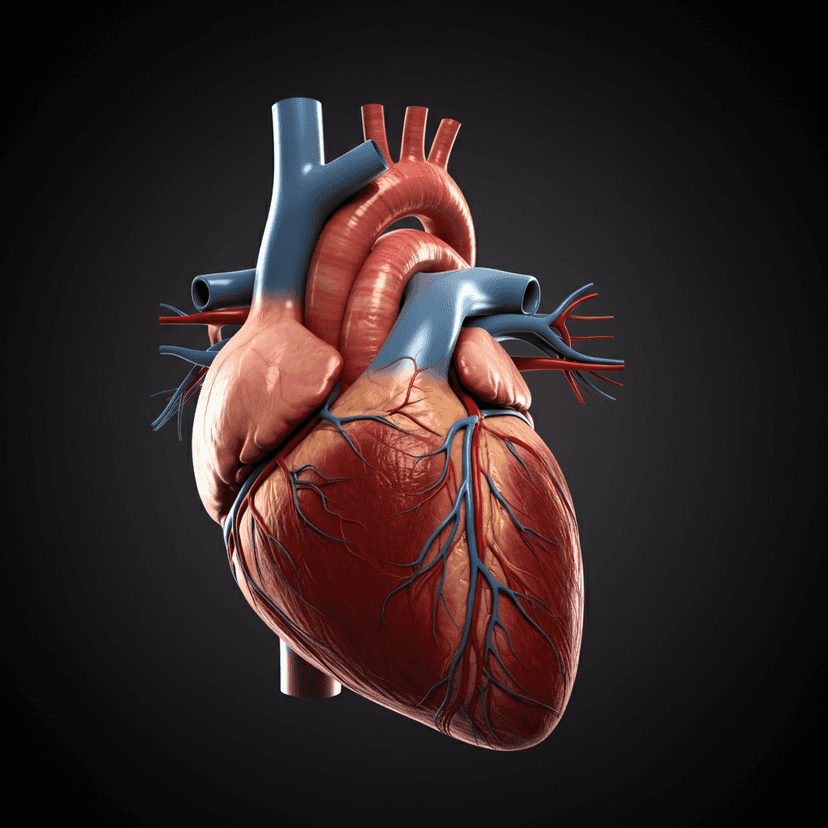
The Blalock-Taussig (BT) shunt, often referred to as the BT shunt or the BD shunt, is a surgical procedure used to increase pulmonary blood flow for heart defects that affect the amount of oxygen reaching the lungs. This procedure is commonly used in pediatric patients with congenital heart defects such as tetralogy of Fallot, pulmonary atresia, and other conditions that result in reduced oxygenation of blood.
The BT shunt involves creating a connection between a systemic artery (usually the subclavian artery or the carotid artery) and the pulmonary artery. The purpose of this connection is to allow more blood to bypass the heart and flow directly into the lungs, thereby increasing oxygenation of the blood. This is typically a temporary measure designed to help increase blood oxygen levels until a more definitive repair can be performed on the heart.
The surgery can be done using either a traditional open technique or through minimally invasive methods, depending on the specific medical situation and the patient's health. It's usually part of a staged approach to treating complex heart defects, serving as a bridge to more definitive surgery later in life.
Postoperative care involves careful monitoring for shunt function and signs of potential complications, such as shunt blockage or infection. Regular follow-ups with a pediatric cardiologist are essential to assess the ongoing effectiveness of the shunt and to plan for any necessary future surgeries.
4.0
93% Dinilai Nilai untuk Uang
Mengapa Memilih kami?

96%
Tingkat Keberhasilan

0
BD Shunt Ahli Bedah

0
BD Shunt

0
Rumah Sakit di Seluruh Dunia

1+
Hidup yang tersentuh
Ikhtisar
The Blalock-Taussig (BT) shunt, often referred to as the BT shunt or the BD shunt, is a surgical procedure used to increase pulmonary blood flow for heart defects that affect the amount of oxygen reaching the lungs. This procedure is commonly used in pediatric patients with congenital heart defects such as tetralogy of Fallot, pulmonary atresia, and other conditions that result in reduced oxygenation of blood.
The BT shunt involves creating a connection between a systemic artery (usually the subclavian artery or the carotid artery) and the pulmonary artery. The purpose of this connection is to allow more blood to bypass the heart and flow directly into the lungs, thereby increasing oxygenation of the blood. This is typically a temporary measure designed to help increase blood oxygen levels until a more definitive repair can be performed on the heart.
The surgery can be done using either a traditional open technique or through minimally invasive methods, depending on the specific medical situation and the patient's health. It's usually part of a staged approach to treating complex heart defects, serving as a bridge to more definitive surgery later in life.
Postoperative care involves careful monitoring for shunt function and signs of potential complications, such as shunt blockage or infection. Regular follow-ups with a pediatric cardiologist are essential to assess the ongoing effectiveness of the shunt and to plan for any necessary future surgeries.