Paket mulai dari
$5800
Butuh bantuan dalam memilih paket yang tepat untuk perjalanan medis Anda?
Data kesehatan Anda dilindungi bersama kami
Mengubah Kehidupan dengan ASD Penutupan Anak
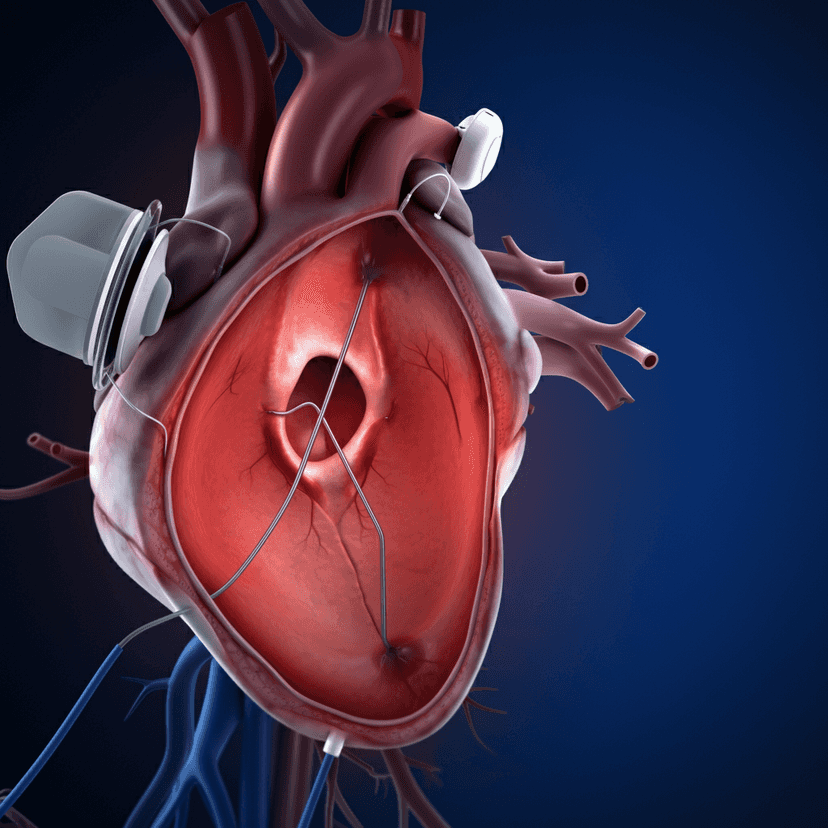
ASD (Atrial Septal Defect) closure in pediatrics is a medical procedure used to correct an atrial septal defect, which is a hole in the wall (septum) between the two upper chambers of the heart (atria). This hole can allow oxygen-rich blood to mix with oxygen-poor blood, causing an overcirculation of blood in the lungs and an overload on the heart.
Key Aspects of ASD Closure:
- Diagnosis: ASD is often detected through symptoms like breathlessness, fatigue, or heart murmurs, or incidentally during an echocardiogram for another reason.
- Methods of Closure: There are two main methods for closing an ASD:
- Catheter-based Procedure: A minimally invasive approach where a device is inserted through a catheter navigated from a vein in the leg up to the heart to plug the hole. This method is preferred due to its faster recovery and minimal scarring.
-Surgical Closure: Used when the defect is too large for a catheter-based approach or if additional cardiac repairs are needed. This involves open-heart surgery under general anesthesia and provides direct access to the heart for a complete repair.
Recovery and Outcomes:
-Catheter-based Closure: Typically involves a short hospital stay, with most children returning to normal activities within a few days.
- Surgical Closure: Requires a longer recovery period, with activities gradually resuming as the child heals.
Both methods are highly effective, with the majority of children leading normal, active lives post-procedure. Regular follow-up care is essential to monitor heart function and ensure the long-term success of the treatment.
5.0
92% Dinilai Nilai untuk Uang
Mengapa Memilih kami?

96%
Tingkat Keberhasilan

2+
ASD Penutupan Anak Ahli Bedah

0
ASD Penutupan Anak

3+
Rumah Sakit di Seluruh Dunia

0
Hidup yang tersentuh
Ikhtisar
ASD (Atrial Septal Defect) closure in pediatrics is a medical procedure used to correct an atrial septal defect, which is a hole in the wall (septum) between the two upper chambers of the heart (atria). This hole can allow oxygen-rich blood to mix with oxygen-poor blood, causing an overcirculation of blood in the lungs and an overload on the heart.
Key Aspects of ASD Closure:
- Diagnosis: ASD is often detected through symptoms like breathlessness, fatigue, or heart murmurs, or incidentally during an echocardiogram for another reason.
- Methods of Closure: There are two main methods for closing an ASD:
- Catheter-based Procedure: A minimally invasive approach where a device is inserted through a catheter navigated from a vein in the leg up to the heart to plug the hole. This method is preferred due to its faster recovery and minimal scarring.
-Surgical Closure: Used when the defect is too large for a catheter-based approach or if additional cardiac repairs are needed. This involves open-heart surgery under general anesthesia and provides direct access to the heart for a complete repair.
Recovery and Outcomes:
-Catheter-based Closure: Typically involves a short hospital stay, with most children returning to normal activities within a few days.
- Surgical Closure: Requires a longer recovery period, with activities gradually resuming as the child heals.
Both methods are highly effective, with the majority of children leading normal, active lives post-procedure. Regular follow-up care is essential to monitor heart function and ensure the long-term success of the treatment.



Dokter

5.0
Konsultasikan di:


5.0
Konsultasikan di: