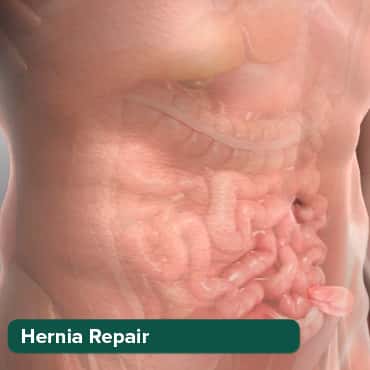
Perbaikan Hernia Laparoskopi
Tentang Paket

Dokter

Konsultasikan di:

Testimonial
Penyertaan & Pengecualian
Penyertaan
Room charges (for the specified period)
Consumables, Surgery & Surgeon's fees
O.T. charges
Anesthesia charges
Routine medicines for the number of days as per the package offered. If any extra medicines are
required which are not routinely used then it would be charged as per the actual
Food and Beverages for the patient only as per the diet recommendation.
Pengecualian
All expenses for stay beyond the package period
Professional charges of other consultants
Any other additional procedure
Use of special drugs/ consumables
Blood products
CT/MRI or complex lab investigation
Cost of high-value consumables valves/conduits/grafts will be charged extra (unless otherwise
specified) as per applicable rates over and above package cost
Akomodasi

Emirates Grand Hotel
116957 Sheikh Zayed Rd - Pusat Perdagangan - Pusat Perdagangan 1 - Dubai - Uni Emirat Arab
A smooth check-in/check-out process, flexible policies and friendly management garner great customer satisfaction for this property.
-
The Hotel has standard Check-In time as 3:00 PM and Check-Out time as 12:00 PM.
-
An extra bed will be provided to accommodate any child/any additional guest included in the booking for additional charges. (Subject to availability).
Tentang Perawatan
Introduction
Hernia repair is a common surgical procedure that aims to treat the condition known as a hernia. A hernia occurs when an organ or fatty tissue protrudes through a weak spot or tear in the surrounding muscle or connective tissue. While hernias can occur in different parts of the body, the most common types are inguinal hernias (occurring in the groin) and ventral hernias (forming in the abdominal wall). In this blog, we will explore the various aspects of hernia repair, from understanding the different types of hernias to the surgical options available and the recovery process.
Types of Hernias
- Inguinal Hernia: This type of hernia is more common in men and occurs in the groin region when part of the intestine or bladder protrudes through the abdominal wall or into the inguinal canal.
- Ventral Hernia: These hernias appear as bulges or lumps in the abdominal wall, often resulting from a previous surgical incision that has weakened the area.
- Umbilical Hernia: Commonly seen in infants, umbilical hernias develop near the belly button when the abdominal muscles don't close completely after birth.
- Incisional Hernia: This type of hernia forms at the site of a previous surgical incision due to the weakness in the scar tissue.
The Need for Hernia Repair
Hernias rarely resolve on their own and tend to worsen over time, leading to potential complications like bowel obstruction or strangulation. Hernia repair becomes necessary to alleviate symptoms and prevent severe health risks. It is essential to consult a qualified healthcare professional to determine the appropriate course of action.
Hernia Repair Techniques
- Open Hernia Repair: Traditional open surgery involves making an incision directly over the hernia, allowing the surgeon to manually push the protruding tissue back into place and strengthen the weakened muscle with stitches or mesh.
- Laparoscopic Hernia Repair: Minimally invasive laparoscopic surgery involves making several small incisions through which a tiny camera and surgical instruments are inserted. This technique results in less scarring and faster recovery times.
- Robotic Hernia Repair: Similar to laparoscopy, robotic-assisted hernia repair utilizes a robotic surgical system, offering enhanced precision and dexterity to the surgeon.
Recovery and Aftercare
The recovery process following hernia repair varies depending on the surgical technique used and the patient's overall health. In general, patients can expect the following:
- Hospital Stay: Laparoscopic and robotic hernia repair procedures are often performed as outpatient surgeries, allowing patients to return home on the same day. However, open hernia repair may require a short hospital stay, especially for more complex cases.
- Pain Management: Some discomfort and pain are normal after surgery, but medications prescribed by the surgeon can help manage it effectively.
- Wound Care: Proper wound care is essential to prevent infection and promote healing. Keep the surgical site clean and dry as instructed by the medical team.
- Physical Activity: Patients are typically advised to avoid strenuous activities and heavy lifting for several weeks post-surgery to prevent strain on the healing muscles.
- Follow-up Visits: Regular follow-up visits with the surgeon are crucial to monitor the healing progress and address any concerns.
Conclusion
Hernia repair is a safe and effective procedure that offers relief from the discomfort and risks associated with hernias. Whether you opt for traditional open surgery, laparoscopic, or robotic-assisted techniques, advancements in medical technology have made hernia repair a routine procedure with reduced recovery times. If you suspect you have a hernia or have been diagnosed with one, consult with a qualified healthcare professional to determine the best treatment plan for your specific case. Remember to follow the surgeon's instructions diligently during the recovery phase to ensure a smooth healing process and a successful outcome.