
Apa itu penolakan transplantasi jantung?
13 Oct, 2024
 perjalanan kesehatan
Dalam hal transplantasi organ, keberhasilan prosedur sangat bergantung pada penerimaan tubuh terhadap organ baru. Dalam kasus transplantasi jantung, risiko penolakan menjadi perhatian utama. Penolakan transplantasi jantung terjadi ketika sistem kekebalan penerima mengenali jantung yang ditransplantasikan sebagai benda asing dan menyerangnya, sehingga menyebabkan serangkaian komplikasi yang dapat mengancam jiwa jika tidak ditangani. Ketika teknologi medis terus maju, peluang transplantasi jantung yang sukses telah meningkat secara signifikan, tetapi penolakan tetap menjadi rintangan utama yang harus diatasi oleh tim transplantasi dan pasien.
Memahami penolakan transplantasi jantung
Penolakan transplantasi jantung dapat terjadi melalui dua cara: penolakan akut dan penolakan kronis. Penolakan akut adalah respons sistem kekebalan yang tiba-tiba dan parah, yang dapat terjadi dalam beberapa bulan pertama setelah transplantasi. Jenis penolakan ini biasanya diobati dengan pengobatan dan, dalam beberapa kasus, pembedahan tambahan. Penolakan kronis, di sisi lain, adalah proses bertahap yang dapat terjadi selama beberapa tahun, sering kali mengakibatkan penyempitan pembuluh darah di jantung yang ditransplantasikan, yang dapat menyebabkan kegagalan jantung jika tidak diobati.
Prosedur paling populer di India


Faktor risiko penolakan transplantasi jantung
Beberapa faktor dapat meningkatkan risiko penolakan transplantasi jantung. Ini termasuk kesehatan keseluruhan penerima, kualitas jantung yang disumbangkan, dan kompatibilitas antara donor dan penerima. Dalam beberapa kasus, sistem kekebalan tubuh penerima mungkin lebih rentan terhadap penolakan karena kondisi medis yang mendasarinya atau paparan obat-obatan tertentu sebelumnya. Selain itu, usia dan kesehatan donor juga berperan penting dalam keberhasilan transplantasi.
Faktor -faktor lain yang dapat berkontribusi pada penolakan transplantasi jantung termasuk infeksi, penyembuhan luka yang buruk, dan kepatuhan obat yang tidak memadai. Sangat penting bagi pasien transplantasi untuk mengikuti rejimen pengobatan mereka dengan hati-hati dan menghadiri janji tindak lanjut rutin untuk memantau kemajuan mereka dan mengidentifikasi potensi komplikasi sejak awal.

Perawatan Kesehatan
Beri diri Anda waktu untuk bersantai
Harga Terendah Dijamin!

Harga Terendah Dijamin!
Tanda dan Gejala Penolakan Transplantasi Jantung
Tanda dan gejala penolakan transplantasi jantung dapat bervariasi tergantung pada tingkat keparahan penolakan dan masing-masing pasien. Gejala umum termasuk kelelahan, sesak napas, pembengkakan di kaki dan pergelangan kaki, dan penambahan berat badan yang cepat. Dalam beberapa kasus, pasien mungkin mengalami nyeri dada, pusing, atau pusing. Jika tidak ditangani, penolakan transplantasi jantung dapat menyebabkan komplikasi serius, termasuk gagal jantung, aritmia, dan bahkan kematian.
Mendiagnosis penolakan transplantasi jantung
Mendiagnosis penolakan transplantasi jantung biasanya melibatkan kombinasi pemeriksaan fisik, tes laboratorium, dan studi pencitraan. Dokter mungkin melakukan elektrokardiogram (EKG) untuk memantau aktivitas listrik jantung, serta ekokardiogram dan kateterisasi jantung untuk memvisualisasikan jantung dan pembuluh darahnya. Tes darah dapat membantu mengidentifikasi tanda -tanda peradangan atau aktivitas sistem kekebalan tubuh, yang dapat menunjukkan penolakan.
Dalam beberapa kasus, biopsi mungkin diperlukan untuk memastikan diagnosis. Selama biopsi, sampel kecil jaringan diambil dari jantung yang ditransplantasikan dan diperiksa di bawah mikroskop untuk tanda -tanda penolakan. Prosedur ini dapat membantu dokter menentukan tingkat keparahan penolakan dan memandu keputusan pengobatan.
Pilihan pengobatan untuk penolakan transplantasi jantung
Perawatan untuk penolakan transplantasi jantung biasanya melibatkan kombinasi obat dan, dalam beberapa kasus, operasi tambahan. Tujuan pengobatan adalah untuk menekan respons sistem kekebalan tubuh terhadap jantung yang ditransplantasikan dan mencegah kerusakan lebih lanjut. Obat -obatan mungkin termasuk obat imunosupresif, kortikosteroid, dan antibiotik untuk mencegah infeksi. Dalam kasus yang parah, pasien mungkin memerlukan pembedahan tambahan untuk memperbaiki atau mengganti jantung yang ditransplantasikan.
731 pasien dari India pilih paket ini untuk mereka Paket Transplantasi Hati

Selain pengobatan medis, perubahan gaya hidup juga berperan penting dalam mencegah penolakan transplantasi jantung. Pasien disarankan untuk mengikuti pola makan sehat, berolahraga secara teratur, dan menghindari merokok serta konsumsi alkohol berlebihan. Dengan bekerja sama dengan tim perawatan kesehatan mereka dan membuat pilihan gaya hidup sehat, pasien dapat mengurangi risiko penolakan dan menikmati kualitas hidup yang lebih baik setelah transplantasi jantung.
Meskipun penolakan transplantasi jantung merupakan komplikasi yang serius, kemajuan teknologi medis dan pilihan pengobatan telah meningkatkan hasil yang signifikan bagi pasien transplantasi. Dengan memahami risiko dan tanda penolakan, pasien dapat berperan aktif dalam perawatan mereka dan berupaya mencapai hasil transplantasi yang sukses.
Paket kebugaran paling populer





Blog Terkait

Paket Operasi Bypass Jantung Terbaik Di HealthTrip 2025
Jelajahi Paket Operasi Bypass Jantung Top 2025.

Rasakan perawatan jantung kelas dunia di Fortis Escorts
Dapatkan perawatan jantung terbaik di Fortis Escorts Heart Institute
Masa Depan Transplantasi Jantung
Kemajuan dan inovasi dalam transplantasi jantung.

Transplantasi Jantung dan Perubahan Gaya Hidup
Membuat pilihan gaya hidup sehat setelah transplantasi jantung.
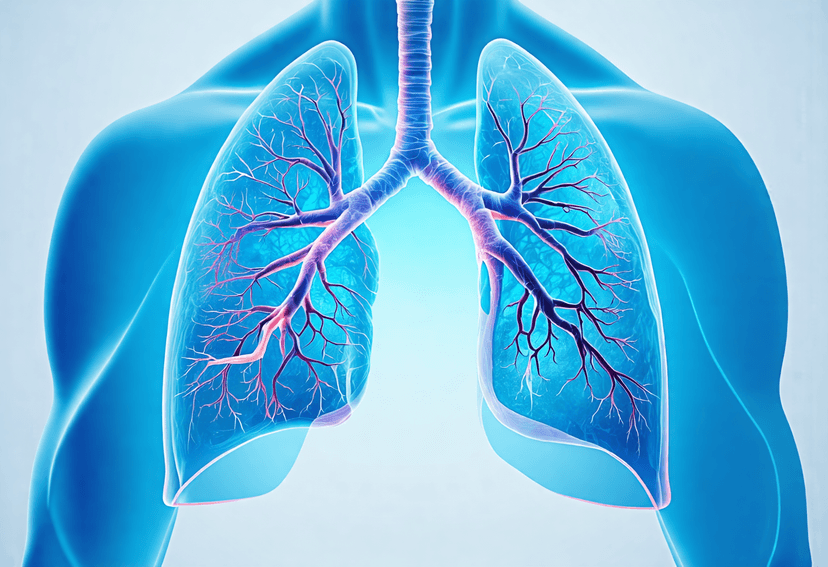
Transplantasi dan Penolakan Paru-Paru: Yang Perlu Diketahui
Memahami risiko penolakan setelah transplantasi paru -paru, termasuk

Peran Keluarga dan Teman dalam Pemulihan Transplantasi Jantung
Pentingnya sistem pendukung yang kuat untuk transplantasi jantung