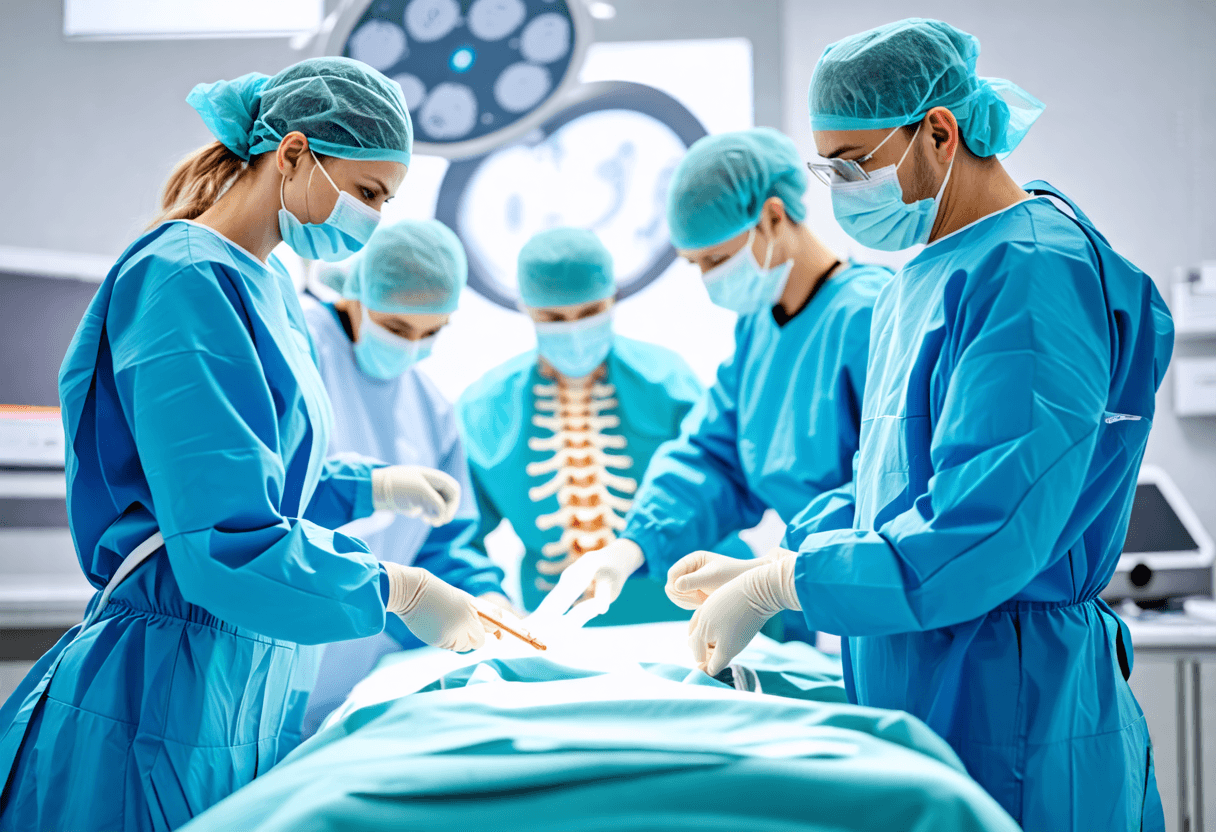
Bedah Skoliosis dan Tulang Belakang: Apa yang Perlu Anda Ketahui
30 Oct, 2024
 perjalanan kesehatan
As we go about our daily lives, it's easy to take our spinal health for granted. But for millions of people around the world, spinal conditions like scoliosis can make everyday activities a painful and exhausting struggle. Scoliosis, a sideways curvature of the spine, can affect anyone, regardless of age or fitness level. While it's often associated with children and teenagers, adults can also develop scoliosis, either as a result of aging or as a complication of other health conditions. If you or a loved one is living with scoliosis, understanding the condition and its treatment options is crucial for managing symptoms and improving quality of life.
What is Scoliosis?
Scoliosis is a complex condition characterized by an abnormal curvature of the spine. A normal spine curves inward in the lower back and outward in the chest area, but in people with scoliosis, the spine curves to one side, forming an "S" or "C" shape. This curvature can occur in the upper, middle, or lower back, and in severe cases, can affect the entire spine. Scoliosis can be classified into three main categories: idiopathic (of unknown cause), congenital (present at birth), and degenerative (developing later in life due to wear and tear or injury).
Prosedur paling populer di India


Causes and Risk Factors
While the exact causes of scoliosis are still not fully understood, research suggests that genetics, hormonal imbalances, and muscle imbalances may play a role. Certain medical conditions, such as cerebral palsy, spina bifida, and muscular dystrophy, can also increase the risk of developing scoliosis. Additionally, adults may develop degenerative scoliosis as a result of spinal disc degeneration, osteoporosis, or spinal injuries.

Perawatan Kesehatan
Beri diri Anda waktu untuk bersantai
Harga Terendah Dijamin!

Harga Terendah Dijamin!
Symptoms of Scoliosis
The symptoms of scoliosis can vary widely depending on the severity of the curvature and the individual's overall health. Mild cases may not cause any noticeable symptoms, while more severe cases can lead to chronic pain, fatigue, and difficulty breathing. Common symptoms include uneven shoulder height, one shoulder blade sticking out more than the other, uneven waistline, and difficulty standing up straight. In severe cases, scoliosis can compress the lungs and heart, leading to respiratory and cardiovascular problems.
Diagnosis and Treatment Options
Diagnosing scoliosis typically involves a physical examination, medical history, and imaging tests such as X-rays, CT scans, or MRI scans. Treatment options vary depending on the severity of the curvature, the individual's age, and overall health. Mild cases may be monitored with regular check-ups, while more severe cases may require bracing, physical therapy, or surgery. Surgery may involve spinal fusion, where the curved vertebrae are fused together to straighten the spine, or osteotomy, where the spine is cut and realigned.
618 pasien dari India pilih paket ini untuk mereka Paket Transplantasi Hati
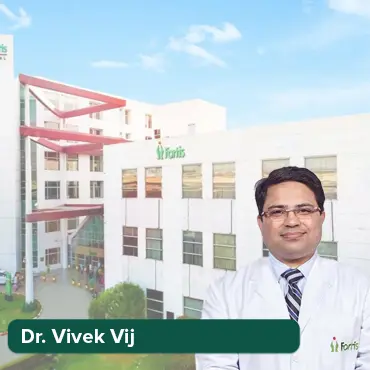
The Role of Spine Surgery in Scoliosis Treatment
Spine surgery is often a last resort for individuals with severe scoliosis, but it can be a life-changing option for those experiencing debilitating symptoms. At Healthtrip, our team of experienced surgeons and medical professionals work closely with patients to develop personalized treatment plans that address their unique needs and goals. Our state-of-the-art facilities and cutting-edge technology ensure that patients receive the highest quality care, from initial consultation to post-operative recovery.
What to Expect from Spine Surgery
While spine surgery can be a daunting prospect, advances in medical technology have made the procedure safer and more effective than ever. At Healthtrip, our surgeons use minimally invasive techniques to reduce scarring, pain, and recovery time. Patients can expect a hospital stay of several days, followed by a period of rest and rehabilitation. With proper care and physical therapy, most patients can return to their normal activities within several months.
Living with Scoliosis: Managing Symptoms and Improving Quality of Life
While scoliosis can be a challenging condition to live with, there are many ways to manage symptoms and improve quality of life. Regular exercise, such as yoga or swimming, can help strengthen the back muscles and improve flexibility. Maintaining a healthy weight, practicing good posture, and taking regular breaks to stretch can also reduce discomfort and fatigue. For those living with severe scoliosis, support groups and counseling can provide emotional support and connect individuals with others who understand their experiences.
Conclusion
Scoliosis is a complex condition that affects millions of people worldwide. While it can be a challenging condition to live with, understanding the causes, symptoms, and treatment options is crucial for managing symptoms and improving quality of life. At Healthtrip, our team of medical professionals is dedicated to providing personalized care and support to individuals living with scoliosis. By working together, we can help individuals with scoliosis regain control of their lives and live with confidence and hope.
Paket kebugaran paling populer



Blog Terkait
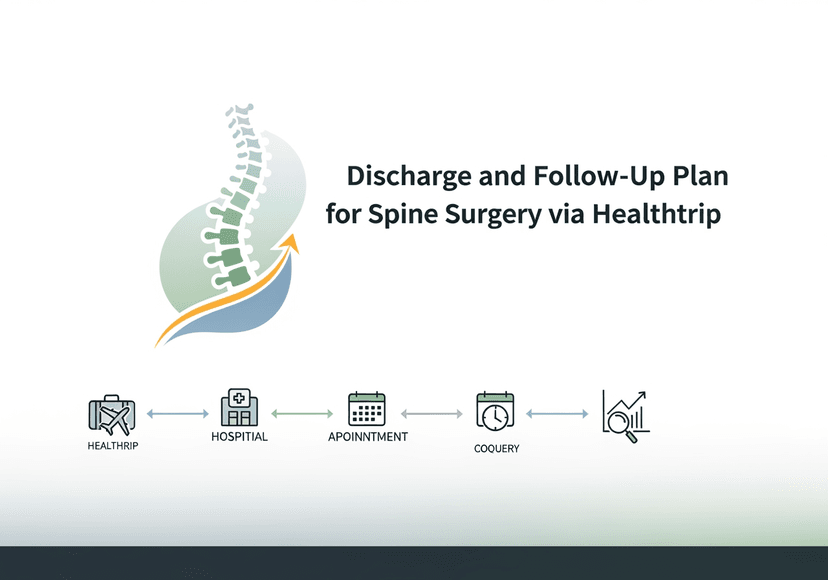
Rencana Pemulangan dan Tindak Lanjut untuk Bedah Tulang Belakang melalui Healthtrip
Rencanakan operasi tulang belakang di India dengan Healthtrip: rumah sakit, dokter, visa,
Konsultasi Jarak Jauh untuk Bedah Tulang Belakang Sebelum Perjalanan dengan Healthtrip
Rencanakan operasi tulang belakang di India dengan Healthtrip: rumah sakit, dokter, visa,
Membandingkan Paket Bedah Tulang Belakang di Seluruh Rumah Sakit Healthtrip
Rencanakan operasi tulang belakang di India dengan Healthtrip: rumah sakit, dokter, visa,
Standar Perawatan ICU dan Pasca Operasi untuk Panduan Perjalanan Kesehatan Bedah Tulang Belakang
Rencanakan operasi tulang belakang di India dengan Healthtrip: rumah sakit, dokter, visa,
Daftar Periksa Pra-Masuk untuk Pasien Bedah Tulang Belakang melalui Healthtrip
Rencanakan operasi tulang belakang di India dengan Healthtrip: rumah sakit, dokter, visa,

Dokter Top di India untuk Bedah Tulang Belakang Melalui Healthtrip
Rencanakan operasi tulang belakang di India dengan Healthtrip: rumah sakit, dokter, visa,