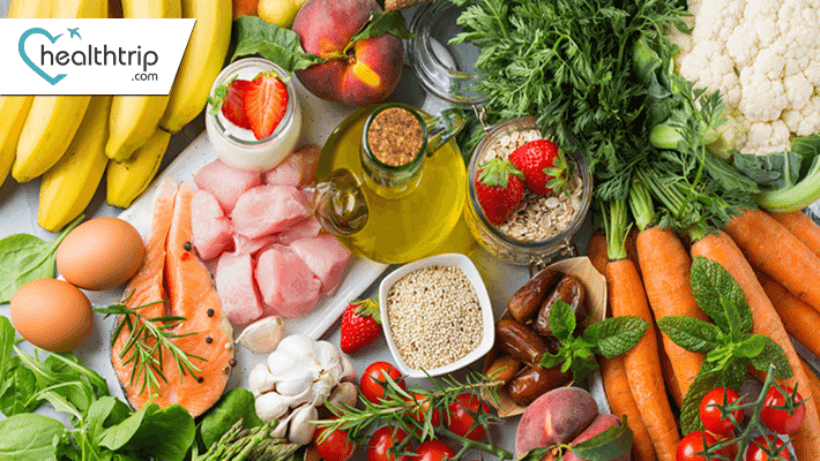
Ketahui Peran Nutrisi dalam Penanganan Kanker Kerongkongan
13 Nov, 2023
 Tim Perjalanan Kesehatan
Kanker esofagus menghadirkan tantangan unik, terutama dalam hal nutrisi. Panduan komprehensif ini menyelidiki hubungan rumit antara nutrisi dan kanker kerongkongan, memberikan pasien dan perawat wawasan berharga dan saran praktis untuk mengelola aspek penyakit ini.
Prosedur paling populer di India


Memahami Persimpangan Kanker Kerongkongan dan Gizi
Tantangan Nutrisi yang Ditimbulkan oleh Kanker Esofagus

Perawatan Kesehatan
Beri diri Anda waktu untuk bersantai
Harga Terendah Dijamin!

Harga Terendah Dijamin!
Kanker esofagus dapat mengganggu status gizi pasien secara signifikan. Gejala umum seperti kesulitan menelan, nyeri saat makan, dan berkurangnya nafsu makan dapat menyebabkan asupan nutrisi tidak mencukupi. Ini, pada gilirannya, dapat mengakibatkan penurunan berat badan, pemborosan otot, dan sistem kekebalan tubuh yang melemah, yang semuanya dapat mempengaruhi respons pasien terhadap pengobatan kanker dan kualitas hidup secara keseluruhan.
Peran Penting Nutrisi dalam Penatalaksanaan Kanker Esofagus
Nutrisi yang tepat penting karena beberapa alasan:
775 pasien dari India pilih paket ini untuk mereka Paket Transplantasi Hati

- Menjaga Berat Badan dan Kekuatan Tubuh: Nutrisi yang memadai membantu menjaga massa otot dan berat badan, yang sering dikompromikan pada pasien kanker kerongkongan.
- Mendukung Sistem Kekebalan Tubuh: Tubuh yang mendapat nutrisi yang baik dapat melawan infeksi dengan lebih baik dan pulih dari efek samping pengobatan.
- Meningkatkan Kemanjuran Perawatan: Pasien dengan gizi baik seringkali lebih mampu menoleransi dan merespons pengobatan seperti kemoterapi dan radiasi.
Strategi Manajemen Nutrisi untuk Kanker Esofagus
1. Modifikasi Pola Makan untuk Kesulitan Menelan
- Penyesuaian Tekstur: Beralih ke tekstur makanan yang lebih lembut atau pola makan cair dapat membantu. Makanan seperti oatmeal, telur orak, dan sayuran yang dimasak dengan baik sering kali lebih mudah ditelan.
- Frekuensi dan Ukuran Makan: Makan dalam porsi kecil namun lebih sering atau camilan tidak terlalu menakutkan dan lebih mudah diatur dibandingkan pola makan tradisional.
2. Mengatasi Efek Samping Pengobatan
- Mengelola Mual dan Muntah: Mengonsumsi makanan dingin atau bersuhu ruangan, menghindari makanan berminyak atau pedas, dan makan perlahan dapat membantu.
- Mengatasi Mulut Kering: Sering menyesap air, menghisap serpihan es, atau menggunakan pengganti air liur dapat mengurangi rasa tidak nyaman.
3. Menekankan kepadatan kalori dan protein
- Makanan Tinggi Kalori: Memasukkan makanan padat kalori seperti keju, susu murni, dan kacang-kacangan dapat membantu menjaga tingkat energi.
- Makanan Kaya Protein: Daging tanpa lemak, ikan, telur, produk susu, kacang -kacangan, dan tahu adalah sumber protein yang sangat baik, penting untuk penyembuhan dan kekuatan.
4. Tetap Terhidrasi
- Asupan Cairan: Sangat penting untuk minum cukup cairan untuk mencegah dehidrasi, yang dapat memperburuk gejala seperti kelelahan dan sembelit.
Berkolaborasi dengan Tim Layanan Kesehatan
A. Bekerja dengan Ahli Diet
Ahli diet terdaftar dapat memberikan saran yang disesuaikan, dengan mempertimbangkan:
- Kebutuhan Diet Individu: Berdasarkan rencana perawatan Anda, efek samping, dan preferensi pribadi.
- Teknik Makan Adaptif: Seperti menggunakan peralatan khusus atau melakukan postur tertentu untuk memudahkan makan.
B. Pemantauan dan Penyesuaian Reguler
- Penilaian Berkelanjutan: Penilaian gizi reguler penting untuk menyesuaikan rencana makanan karena kondisi dan perawatan pasien perlu berkembang.
Perawatan Nutrisi Pasca Perawatan
Transisi ke Pola Makan Seimbang
- Keanekaragaman Makanan: Memasukkan berbagai makanan dari semua kelompok makanan memastikan asupan nutrisi penting yang seimbang.
- Tujuan Diet Jangka Panjang: Berfokus pada makanan sehat jantung dan yang dapat mengurangi risiko kekambuhan kanker.
Manajemen nutrisi pada kanker esofagus merupakan bagian yang dinamis dan krusial dari rencana perawatan keseluruhan. Hal ini memerlukan pendekatan yang dipersonalisasi, pemantauan rutin, dan penyesuaian berdasarkan fase pengobatan dan respons individu. Dengan memprioritaskan nutrisi, pasien tidak hanya dapat meningkatkan hasil pengobatan tetapi juga meningkatkan kualitas hidup mereka selama dan setelah pengobatan.
Blog ini dimaksudkan untuk tujuan pendidikan saja dan tidak boleh menggantikan nasihat medis profesional. Selalu berkonsultasi dengan profesional kesehatan untuk nasihat yang disesuaikan dengan kebutuhan kesehatan spesifik Anda.
Paket kebugaran paling populer





Blog Terkait

Kanker Kerongkongan dan Tidur
Tips meningkatkan kualitas tidur selama pengobatan kanker esofagus.

Kanker dan olahraga kerongkongan
Pentingnya berolahraga selama pengobatan kanker kerongkongan.

Kanker dan Stres Kerongkongan
Tips mengelola stres dan kecemasan selama pengobatan kanker esofagus.
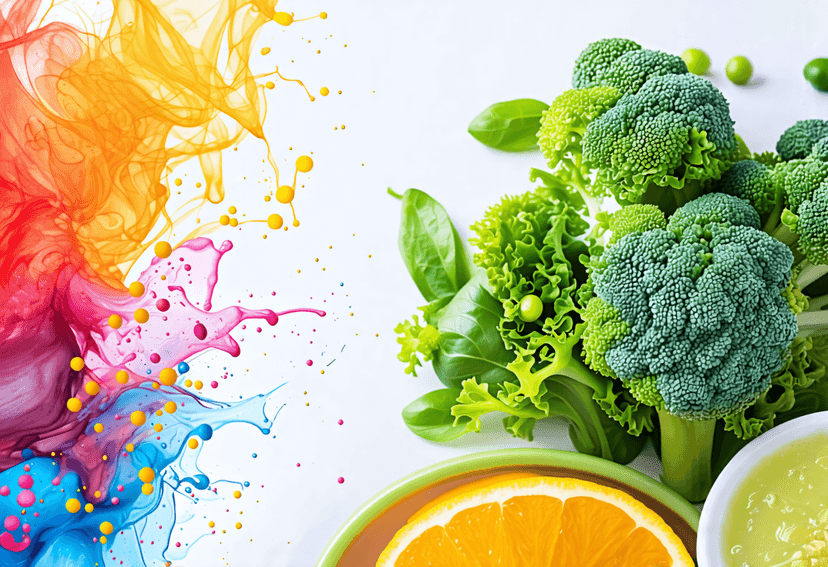
Kanker dan Diet Kerongkongan
Peran diet dalam mengurangi risiko kanker esofagus.
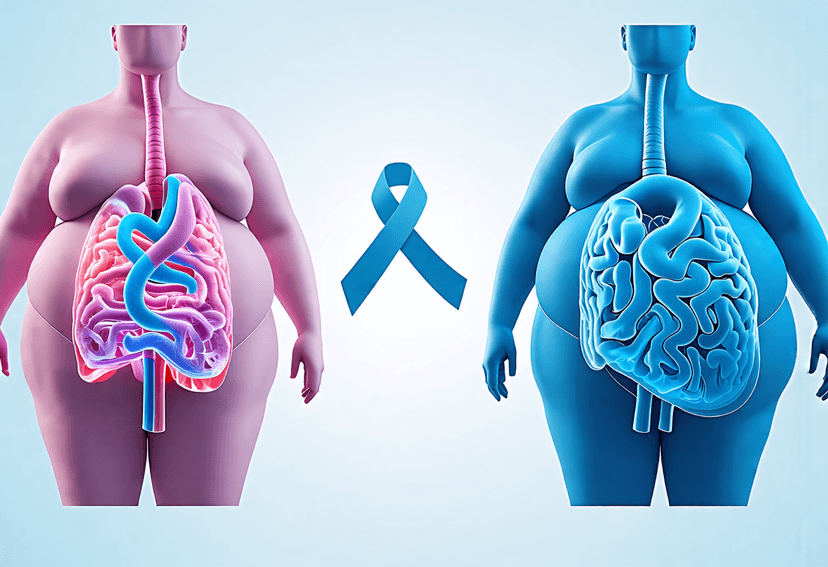
Kanker Kerongkongan dan Obesitas
Hubungan antara obesitas dan risiko kanker esofagus.

Kanker Kerongkongan dan Merokok
Risiko merokok dalam hubungannya dengan kanker esofagus.