Kanker Mulut dan Genetika: Memahami Koneksi
17 Oct, 2024
 perjalanan kesehatan
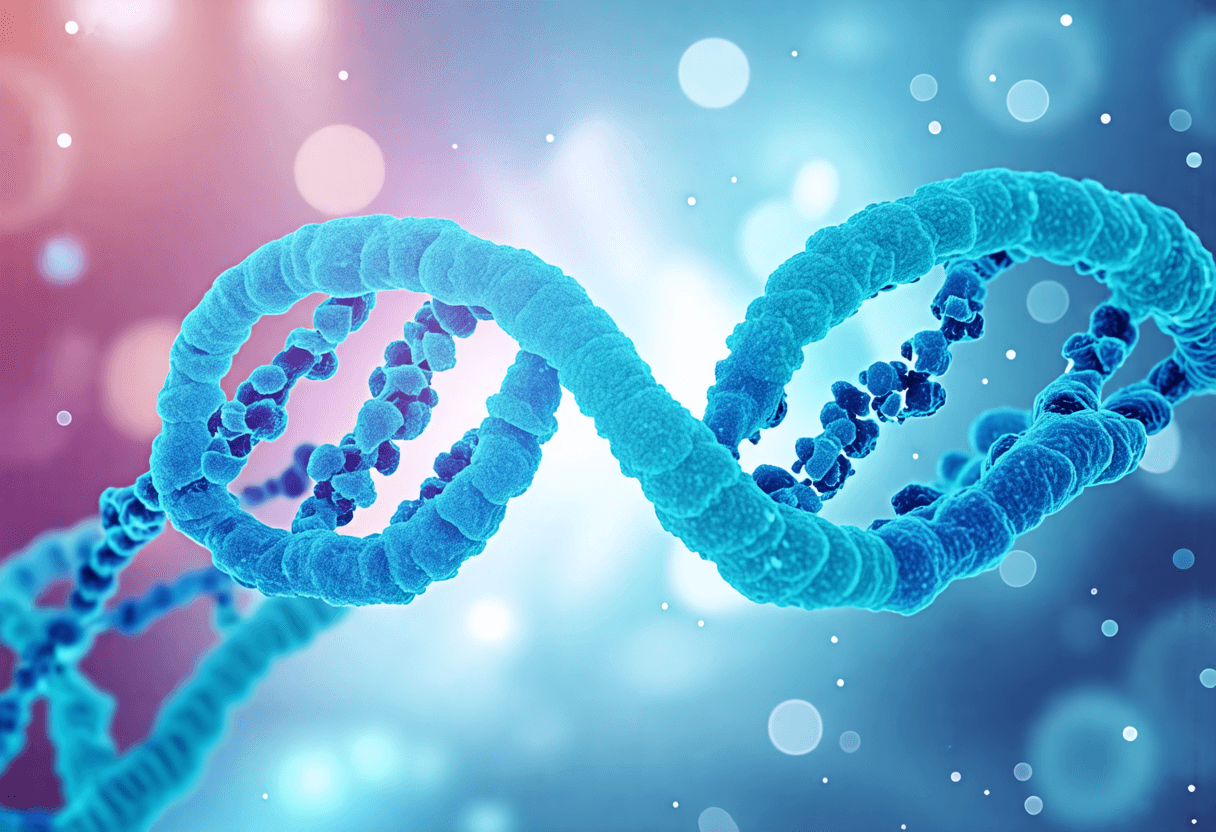
Ketika kita memikirkan kanker, kita sering menganggapnya sebagai kekuatan misterius dan tidak dapat diprediksi yang dapat menyerang siapa saja dan kapan saja. Tetapi kenyataannya adalah, kanker seringkali terkait erat dengan susunan genetik kita, dan memahami hubungan ini dapat menjadi alat yang kuat dalam memerangi penyakit yang menghancurkan ini. Tidak ada tempat yang lebih jelas daripada dalam kasus kanker mulut, jenis kanker yang mempengaruhi bibir, lidah, dan jaringan lain di mulut. Dengan mengeksplorasi hubungan antara kanker mulut dan genetika, kita dapat memperoleh pemahaman yang lebih dalam tentang penyakit yang kompleks dan beragam ini, dan mengungkap jalan baru untuk pencegahan, diagnosis, dan pengobatan.
Dasar Genetik Kanker Mulut
Kanker mulut, juga dikenal sebagai kanker mulut, adalah jenis kanker yang menyerang jaringan mulut, termasuk bibir, lidah, pipi, dan dasar mulut. Ini adalah kanker yang relatif langka, hanya terjadi sekitar 3% dari seluruh kasus kanker di Amerika Serikat. Namun, ini adalah kanker yang sangat agresif dan mematikan, dengan tingkat kelangsungan hidup lima tahun saja 50%. Salah satu faktor utama yang berkontribusi pada pengembangan kanker mulut adalah genetika. Penelitian telah menunjukkan bahwa mutasi genetik tertentu dapat meningkatkan risiko seseorang terkena kanker mulut, terutama mutasi yang mempengaruhi gen yang terlibat dalam pertumbuhan dan pembagian sel.
Prosedur paling populer di India


Peran mutasi genetik
Mutasi genetik dapat terjadi melalui beberapa cara, termasuk melalui pewarisan, faktor lingkungan, dan kesalahan acak selama replikasi DNA. Dalam kasus kanker mulut, mutasi genetik tertentu dapat mengganggu fungsi normal sel-sel di mulut, sehingga menyebabkan pertumbuhan dan pembelahan yang tidak terkendali. Misalnya, mutasi pada gen p53, yang merupakan gen penekan tumor, dapat mencegah sel memperbaiki kerusakan DNA, sehingga menyebabkan berkembangnya kanker. Demikian pula, mutasi pada gen NOTCH1, yang terlibat dalam sinyal sel, dapat menyebabkan pertumbuhan sel yang tidak terkendali di mulut.
Selain mutasi genetik tersebut, sindrom genetik tertentu juga dapat meningkatkan risiko seseorang terkena kanker mulut. Sebagai contoh, orang dengan anemia fanconi, gangguan genetik langka yang mempengaruhi produksi sel darah, berisiko lebih tinggi terkena kanker mulut. Demikian pula, orang dengan diskeratosis kongenita, kelainan genetik langka yang memengaruhi produksi telomer, juga berisiko lebih tinggi terkena penyakit ini.

Perawatan Kesehatan
Beri diri Anda waktu untuk bersantai
Harga Terendah Dijamin!

Harga Terendah Dijamin!
Faktor lingkungan dan pilihan gaya hidup
Sementara genetika memainkan peran penting dalam pengembangan kanker mulut, faktor lingkungan dan pilihan gaya hidup juga memainkan peran penting. Salah satu faktor risiko paling signifikan terhadap kanker mulut adalah penggunaan tembakau, yang menyebabkan 80% dari seluruh kasus kanker mulut. Tembakau mengandung lebih dari 70 zat karsinogen yang diketahui dapat merusak DNA sel-sel di mulut dan meningkatkan risiko kanker. Demikian pula konsumsi alkohol berlebihan, yang sering dikaitkan dengan penggunaan tembakau, juga dapat meningkatkan risiko kanker mulut.
Pentingnya Deteksi Dini
Deteksi dini sangat penting dalam pengobatan kanker mulut, karena dapat meningkatkan tingkat kelangsungan hidup secara signifikan. Sayangnya, banyak orang tidak mencari perhatian medis sampai kanker telah berkembang ke stadium lanjut, membuat perawatan lebih sulit. Hal ini sering disebabkan oleh kurangnya kesadaran tentang tanda -tanda dan gejala kanker mulut, yang dapat termasuk luka atau lesi di mulut yang tidak menyembuhkan, rasa sakit atau kesulitan menelan, dan perubahan suara dalam suara. Dengan mendidik orang tentang tanda dan gejala ini, dan mendorong mereka untuk mencari perhatian medis jika mereka mengalami salah satu dari mereka, kami dapat meningkatkan tingkat deteksi dan perawatan dini.
Selain pendidikan dan kesadaran, kemajuan dalam pengujian dan skrining genetik juga dapat memainkan peran penting dalam deteksi dini. Sebagai contoh, pengujian genetik dapat mengidentifikasi orang yang berisiko lebih tinggi terkena kanker mulut karena mutasi genetik, memungkinkan intervensi dan pencegahan sebelumnya. Demikian pula, tes skrining, seperti biopsi sikat, dapat mendeteksi sel-sel abnormal di mulut sebelum menjadi kanker, sehingga memungkinkan pengobatan dan pencegahan dini.
Masa Depan Pengobatan Kanker Mulut
Sementara hubungan antara kanker mulut dan genetika kompleks dan beragam, penelitian sedang berlangsung untuk mengungkap jalan baru untuk pencegahan, diagnosis, dan pengobatan. Salah satu bidang penelitian yang paling menjanjikan adalah pengembangan terapi bertarget, yang dirancang untuk secara spesifik menargetkan sel-sel kanker sambil tetap menjaga sel-sel sehat tetap utuh. Sebagai contoh, para peneliti sedang mengeksplorasi penggunaan terapi gen untuk memberikan gen yang dapat secara selektif membunuh sel kanker, sambil meninggalkan sel yang sehat utuh.
630 pasien dari India pilih paket ini untuk mereka Paket Transplantasi Hati
Selain terapi yang ditargetkan, para peneliti juga menjajaki penggunaan imunoterapi, yang memanfaatkan kekuatan sistem kekebalan untuk melawan kanker. Misalnya, para peneliti sedang menyelidiki penggunaan vaksin kanker, yang dapat merangsang sistem kekebalan untuk menyerang sel kanker. Demikian pula, mereka sedang menjajaki penggunaan penghambat pos pemeriksaan, yang dapat membantu mengatasi toleransi alami sistem kekebalan terhadap sel kanker.
Dengan terus mengeksplorasi hubungan antara kanker mulut dan genetika, kita dapat menemukan cara baru untuk pencegahan, diagnosis, dan pengobatan. Dengan mendidik orang tentang tanda dan gejala kanker mulut, dan mendorong mereka untuk mencari perhatian medis jika mereka mengalami salah satu dari mereka, kita dapat meningkatkan tingkat deteksi dan perawatan dini. Dan dengan berinvestasi dalam penelitian dan pengembangan, kita dapat menemukan pengobatan baru dan inovatif yang dapat membantu menyelamatkan nyawa. Pertarungan melawan kanker mulut adalah pertempuran yang kompleks dan berkelanjutan, tetapi dengan bekerja bersama, kita dapat membuat perbedaan.
Paket kebugaran paling populer





Blog Terkait

Lakukan dan tidak ada selama pemulihan setelah tips kesehatan mata operasi
Pelajari tentang cerita pasien, tujuan kesehatan, dukungan bahasa, dan pasca perawatan
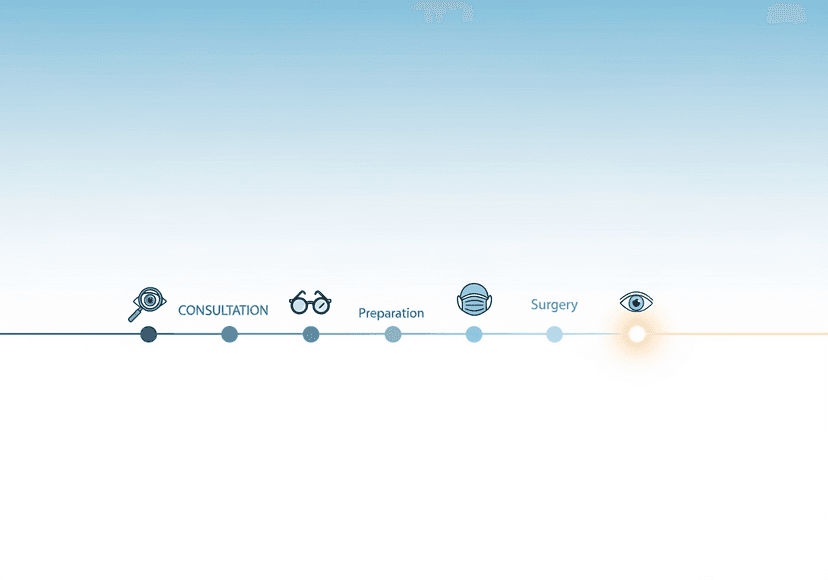
Timeline: Seperti apa perjalanan operasi mata Anda dengan HealthTrip
Pelajari tentang cerita pasien, tujuan kesehatan, dukungan bahasa, dan pasca perawatan

Resor Kesehatan Mewah Setelah Operasi Mata di Pilihan Kesehatan India
Pelajari tentang cerita pasien, tujuan kesehatan, dukungan bahasa, dan pasca perawatan

Temui Dokter: Pakar Bedah Mata Terpimpin di Panel HealthTrip
Pelajari tentang cerita pasien, tujuan kesehatan, dukungan bahasa, dan pasca perawatan

Bagaimana HealthTrip Menjembatani Kesenjangan Bahasa untuk Pasien Operasi Mata
Pelajari tentang cerita pasien, tujuan kesehatan, dukungan bahasa, dan pasca perawatan

Terjangkau + Safe: Apa yang Membuat Perawatan Kesehatan Unik untuk Perjalanan Bedah Mata
Pelajari tentang cerita pasien, tujuan kesehatan, dukungan bahasa, dan pasca perawatan