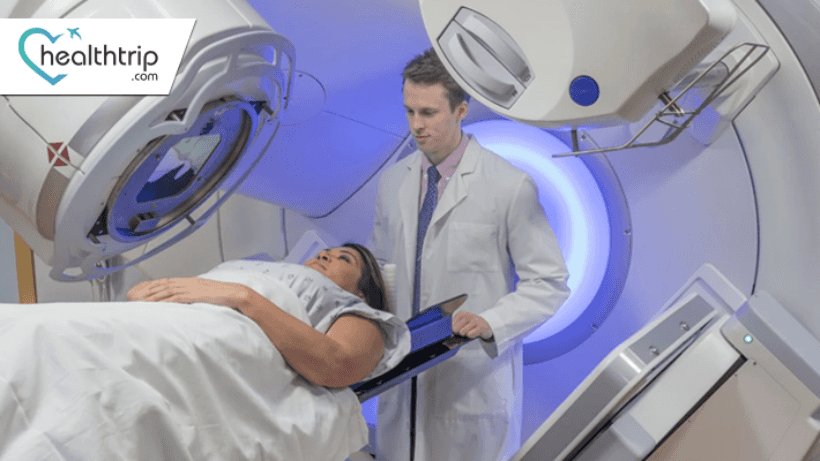
Gejala Kanker Payudara: Apa yang Harus Anda Ketahui?
31 Jan, 2024
 perjalanan kesehatan
- Breast cancer is a pervasive and potentially life-threatening condition that affects millions of women worldwide. Early detection plays a crucial role in successful treatment, making it essential to be aware of the symptoms associated with breast cancer. In this blog, we'll delve into the key indicators that every woman should be acquainted with.
1. Unexplained Changes in Breast Size or Shape
One of the earliest signs of breast cancer can be alterations in the size or shape of the breast. If you notice sudden changes, such as asymmetry or an increase in size, it's crucial to consult with a healthcare professional promptly.
Prosedur paling populer di India


2. New Lumps or Masses
The presence of a new lump or mass in the breast is a common symptom of breast cancer. These lumps are often painless and may feel hard or irregular. It's essential to perform regular breast self-exams to detect any unusual changes.
3. Nipple Changes
Changes in the nipples can also be indicative of breast cancer. Look out for nipple inversion, sudden retraction, or any other alterations in appearance. Discharge, especially if it's bloody, warrants immediate attention.

Perawatan Kesehatan
Beri diri Anda waktu untuk bersantai
Harga Terendah Dijamin!

Harga Terendah Dijamin!
4. Skin Changes
Skin changes on the breast can include redness, dimpling, or the development of an orange-peel texture. These alterations may be subtle, so paying attention to the skin's appearance is crucial for early detection.
5. Persistent Breast Pain
While breast pain is a common concern, persistent, unexplained pain should be thoroughly evaluated. Breast cancer can cause discomfort or tenderness, so any unusual or enduring pain should be discussed with a healthcare professional.
6. Changes in Breast Texture
The texture of the breast skin can change with the progression of breast cancer. If you notice an area that feels different from the surrounding tissue, such as being unusually hard or thickened, it's imperative to seek medical advice promptly.
7. Swelling or Lymph Node Enlargement
Swelling or enlargement of the lymph nodes under the arm or around the collarbone may indicate the spread of breast cancer. Regularly check for any changes in these areas during self-exams.
761 pasien dari India pilih paket ini untuk mereka Paket Transplantasi Hati

8. Unexplained Weight Loss
While weight loss can be attributed to various factors, unexplained weight loss combined with other breast cancer symptoms should not be ignored. It could signify the advanced stages of the disease.
Understanding Risk Factors
In addition to recognizing symptoms, understanding the risk factors associated with breast cancer is vital. While the disease can affect anyone, certain factors can increase the likelihood of its development. These include:
- Age: The risk of breast cancer increases with age, with a higher incidence in postmenopausal women.
- Gender: Although rare, men can also develop breast cancer.
- Family History: Having a close relative, especially a first-degree relative like a mother or sister, with a history of breast cancer can elevate your risk.
- Genetic Mutations: Inherited gene mutations, such as BRCA1 and BRCA2, significantly increase the risk of breast cancer.
- Hormone Replacement Therapy (HRT): Long-term use of certain hormone therapies may contribute to an increased risk.
- Personal History of Breast Cancer or Certain Non-Cancerous Diseases: If you've had breast cancer before or certain non-cancerous diseases, your risk may be higher.
- Radiation Exposure: Previous chest radiation treatment, especially during adolescence, can elevate the risk.
When should you start breast cancer screenings?
- The timing and frequency of breast cancer screenings can vary based on individual risk factors, age, and health history. It's important to note that screening recommendations may differ between organizations, and healthcare providers often tailor screening plans based on individual circumstances. Here are some general guidelines
1. Age-Based Recommendations:
a. In Your 20s and 30s:
- Clinical Breast Exams (CBE): Every 3 years.
- Breast Self-Exams: Awareness of your breasts and any changes.
b. In Your 40s:
- Mammograms: Start discussing with your healthcare provider. Some recommend annual mammograms starting at 40, while others may suggest biennial screenings.
c. 50 and Older:
- Mammograms: Continue annually or as recommended by your healthcare provider.
2. Risk-Based Recommendations:
a. High Risk:
- Individuals with a strong family history or genetic mutations (e.g., BRCA1, BRCA2) may need earlier and more frequent screenings. Genetic counselling can help assess your risk.
b. Prior History:
- If you have a personal history of breast cancer or certain non-cancerous diseases, your screening plan may differ. Consult with your healthcare provider for personalized recommendations.
3. Individualized Approach:
- Health Assessment: Discuss your overall health, medical history, and concerns with your healthcare provider.
- Shared Decision-Making: Collaborate with your healthcare team to make informed decisions based on your risk factors, values, and preferences.
4. Ongoing Awareness:
- Breast Self-Exams: Regardless of age, being familiar with your breasts through regular self-exams is encouraged. If you notice any changes, report them to your healthcare provider.
5. Regular Clinical Exams:
- Clinical Breast Exams: Regular clinical exams by a healthcare professional are crucial. These exams can help detect any abnormalities or changes in your breasts.
6. Lifestyle Factors:
- Maintain a Healthy Lifestyle: A healthy diet, regular exercise, limited alcohol consumption, and avoiding tobacco can contribute to overall well-being, potentially reducing breast cancer risk.
7. Individualized Discussions:
- Regular Conversations with Your Healthcare Provider: Keep an open dialogue with your healthcare provider about your breast health. Discuss any concerns or changes in your breasts promptly.
Conclusion
Being vigilant about your breast health is crucial for early detection and successful treatment of breast cancer. Regular self-exams, awareness of your body, and prompt consultation with healthcare professionals if any of these symptoms arise are key to improving outcomes. Early detection saves lives, so empower yourself with knowledge and take charge of your breast health.
Paket kebugaran paling populer





Blog Terkait

Kelahiran Hak Lahir: Memberdayakan Kesehatan dan Kebugaran Wanita
Temukan layanan perawatan kesehatan yang komprehensif untuk wanita saat lahir, yang terkenal

Pentingnya Deteksi Dini Pada Kanker Sarkoma
Temukan manfaat deteksi dini dalam pengobatan kanker sarkoma
Histeroskopi Laparoskopi: Alat Diagnostik Minimal Invasif
Jelajahi manfaat histeroskopi laparoskopi, diagnostik invasif minimal

Histerektomi Laparoskopi: Era Baru Kesehatan Wanita
Jelajahi manfaat histerektomi laparoskopi, bedah invasif minimal

Merangkul Keutuhan: Perjalanan Menuju Kesehatan Holistik Wanita
Temukan Kekuatan Kesehatan Holistik untuk Wanita

Tren Kesehatan dan Kebugaran Wanita
Tren terkini dalam kesehatan dan kebugaran holistik wanita