Forfaits à partir de
$60000
Besoin d'aide pour choisir le bon forfait pour votre voyage médical ?
Vos données de santé sont protégées avec nous
Réserver une consultation gratuite
Veuillez remplir vos coordonnées, Nos experts prendront contact avec vous
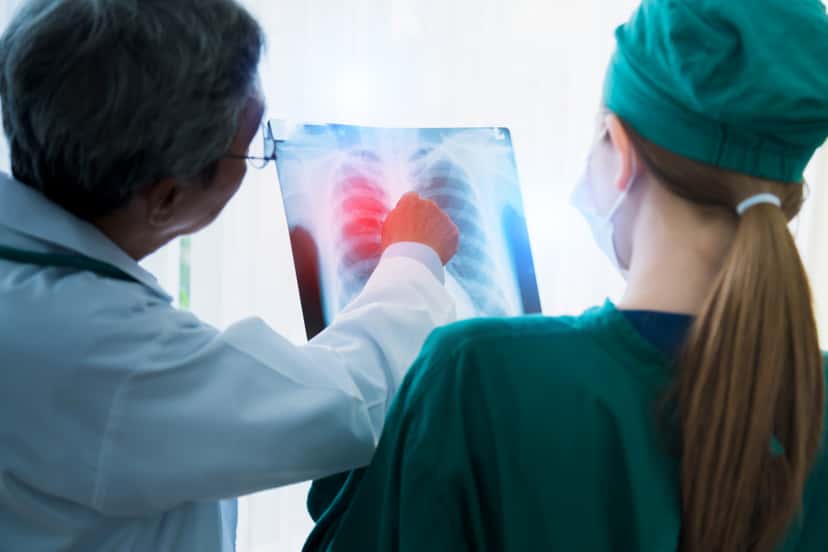
Transformer des vies avec Transplantation pulmonaire
A lung transplant is a surgical procedure in which a diseased or failing lung is replaced with a healthy lung from a deceased donor. This treatment is typically recommended for individuals with end-stage lung disease who have not responded to other medical treatments. Depending on the patient's condition, a single lung, both lungs, or, in some cases, lungs and a heart may be transplanted. Lung transplants can significantly improve breathing, lung capacity, and overall quality of life, allowing recipients to regain independence and better physical function.
4.0
91% Évalué Rapport qualité-prix
Avantages de Transplantation pulmonaire
- Improved breathing and oxygenation levels.
- Increased physical activity and exercise tolerance.
- Reduced dependency on oxygen therapy.
- Enhanced emotional well-being due to restored physical health.
- Prolonged life expectancy for those with severe lung disease.
Pourquoi nous choisir ?

95%
Taux de réussite

17+
Transplantation pulmonaire Chirurgiens

0
Transplantation pulmonaire

18+
Hôpitaux dans le monde entier

2+
Vies touchées
Aperçu
A lung transplant is a surgical procedure in which a diseased or failing lung is replaced with a healthy lung from a deceased donor. This treatment is typically recommended for individuals with end-stage lung disease who have not responded to other medical treatments. Depending on the patient's condition, a single lung, both lungs, or, in some cases, lungs and a heart may be transplanted. Lung transplants can significantly improve breathing, lung capacity, and overall quality of life, allowing recipients to regain independence and better physical function.
Symptômes
- Persistent shortness of breath
- Chronic fatigue
- Frequent lung infections
- Chronic cough (often with sputum)
- Bluish tint to lips or nails (due to low oxygen levels)
- Swelling in the lower limbs due to reduced oxygen delivery
Causes
- Chronic Obstructive Pulmonary Disease (COPD)
- Pulmonary fibrosis (scarring of the lungs)
- Cystic fibrosis
- Pulmonary hypertension
- Emphysema
- Severe lung infections or trauma
Les étapes typiques impliquées dans Transplantation pulmonaire
- Pre-Transplant Evaluation: Comprehensive tests, imaging scans, and bloodwork are performed to assess the patient’s eligibility.
- Finding a Donor: The patient is placed on a transplant waiting list, as lung donors must be closely matched based on size, blood type, and tissue compatibility.
- Pre-Operative Preparation: Once a donor match is found, the patient is notified and admitted for surgery preparation.
- Surgery: The diseased lung(s) are removed, and the donor lung(s) are placed and connected to the airway and blood vessels.
- Post-Surgery Recovery: The patient stays in the ICU for close monitoring, followed by rehabilitation to regain lung strength and prevent complications.






Médecins

Chef - Chirurgie Cardiaque Adulte
5.0
Consulte à:
Expérience: 30+ années

Chirurgies: 20000+
Vos données de santé sont protégées chez nous

Directeur Fondateur
5.0
Consulte à:
Expérience: 24+ années
Chirurgies: 9000+
Vos données de santé sont protégées chez nous

Pneumologues
5.0
Expérience: 30 années
Chirurgies: NA
Vos données de santé sont protégées chez nous

Pneumologue consultant
5.0
Consulte à:
Expérience: 30 années
Chirurgies: NA
Vos données de santé sont protégées chez nous

Directeur de programme
4.0
Consulte à:
Expérience: 21 années
Chirurgies: NA
Vos données de santé sont protégées chez nous

Directeur Département de Pneumologie et Médecine Respiratoire
5.0
Consulte à:
Expérience: 21 années
Chirurgies: NA
Vos données de santé sont protégées chez nous
















FAQs
Après une transplantation pulmonaire, les patients prennent des médicaments anti-rejet tels que les immunosuppresseurs pour le reste de leur vie. Certains des effets secondaires de ces médicaments comprennent la prise de poids, les problèmes d'estomac et la croissance des poils du visage. À long terme, les médicaments anti-rejet peuvent augmenter le risque de diabète, de cancer, d'ostéoporose, de lésions rénales et d'hypertension.