Forfaits à partir de
Besoin d'aide pour choisir le bon forfait pour votre voyage médical ?
Vos données de santé sont protégées avec nous
Transformer des vies avec Vérification complète des yeux
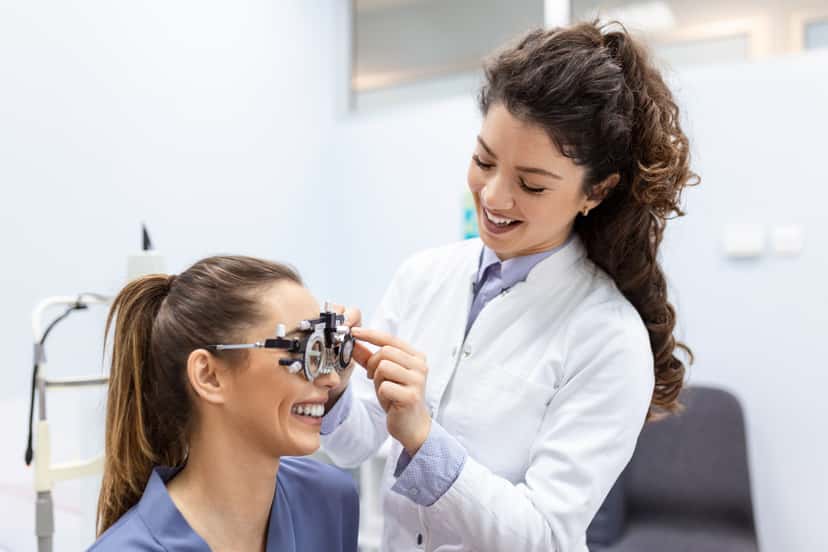
A comprehensive eye checkup is a routine evaluation of your eyes and vision, typically conducted by an optometrist or ophthalmologist. It helps detect vision problems, eye diseases, and general health conditions that can affect your eyesight. Unlike a simple vision screening (which only tests visual acuity), a full eye checkup includes a wide range of diagnostic assessments like retinal examination, intraocular pressure measurement, and eye movement tests.
This evaluation is vital not only for updating eyeglass or contact lens prescriptions but also for identifying early signs of conditions such as glaucoma, macular degeneration, diabetic retinopathy, and even systemic diseases like hypertension or diabetes that manifest in the eyes. Adults are generally advised to have an eye exam every 1–2 years, or more frequently if they have existing eye conditions or risk factors.
4.0
90% Évalué Rapport qualité-prix
Avantages de Vérification complète des yeux
Early detection of vision and eye health problems
-
Timely management of eye diseases like glaucoma or macular degeneration
-
Correct and update visual prescriptions
-
Prevent vision loss through preventive care
-
Monitor the impact of systemic diseases on the eyes
-
Improve quality of life and productivity with better vision
Pourquoi nous choisir ?

96%
Taux de réussite

0
Vérification complète des yeux Chirurgiens

0
Vérification complète des yeux

0
Hôpitaux dans le monde entier

0
Vies touchées
Aperçu
A comprehensive eye checkup is a routine evaluation of your eyes and vision, typically conducted by an optometrist or ophthalmologist. It helps detect vision problems, eye diseases, and general health conditions that can affect your eyesight. Unlike a simple vision screening (which only tests visual acuity), a full eye checkup includes a wide range of diagnostic assessments like retinal examination, intraocular pressure measurement, and eye movement tests.
This evaluation is vital not only for updating eyeglass or contact lens prescriptions but also for identifying early signs of conditions such as glaucoma, macular degeneration, diabetic retinopathy, and even systemic diseases like hypertension or diabetes that manifest in the eyes. Adults are generally advised to have an eye exam every 1–2 years, or more frequently if they have existing eye conditions or risk factors.
Symptômes
Blurred or double vision
-
Frequent headaches, especially after reading or screen use
-
Eye strain or fatigue
-
Difficulty seeing at night
-
Floaters or flashes of light
-
Persistent eye redness, dryness, or itchiness
Causes
Refractive errors (myopia, hyperopia, astigmatism)
-
Age-related eye changes (presbyopia, cataracts)
-
Prolonged screen time or digital eye strain
-
Systemic conditions (diabetes, hypertension)
-
Eye infections or inflammation
-
Genetic predispositions to eye diseases
Les étapes typiques impliquées dans Vérification complète des yeux
- History Taking: Review of medical history, current vision issues, and lifestyle.
Visual Acuity Test: Measures clarity of vision using eye charts.
Refraction Assessment: Determines the correct lens prescription.
Eye Muscle Test: Assesses eye movement and coordination.
Slit-Lamp Examination: Visual inspection of the eye's front parts (cornea, lens, etc.).
Tonometry: Measures intraocular pressure to detect glaucoma risk.
Retinal Examination (Dilated): Examines the back of the eye for signs of disease.
Diagnosis & Recommendation: Discuss findings, prescribe lenses or refer for further treatment if needed.