Forfaits à partir de
$10000
Besoin d'aide pour choisir le bon forfait pour votre voyage médical ?
Vos données de santé sont protégées avec nous
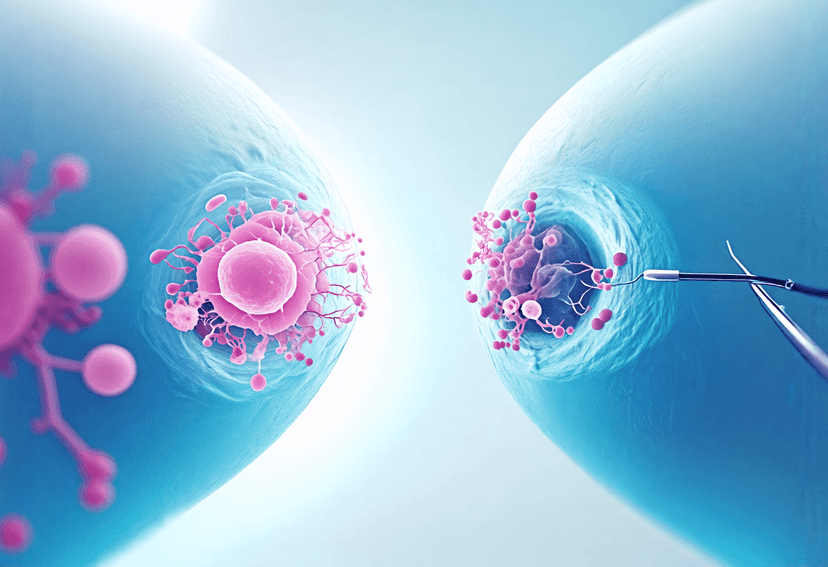
Transformer des vies avec Chirurgie de résection de tumeur mammaire + chimiothérapie
Breast tumor resection surgery combined with chemotherapy is a comprehensive treatment approach for breast cancer. This method involves surgically removing the tumor from the breast, followed by chemotherapy to eliminate any remaining cancer cells and reduce the risk of recurrence.
Breast Tumor Resection Surgery:
Preoperative Assessment:
- Imaging studies such as mammograms, ultrasounds, and MRI scans are used to evaluate the tumor's size, location, and extent.
- A biopsy confirms the diagnosis and helps determine the type and stage of cancer.
Surgical Procedure:
- Lumpectomy: Removes the tumor and a small margin of surrounding healthy tissue. It's a breast-conserving surgery aimed at preserving as much of the breast as possible.
- Mastectomy: Involves removing the entire breast and is recommended if the tumor is large or there are multiple tumors. Variants include skin-sparing and nipple-sparing mastectomy for better cosmetic outcomes.
- The surgeon may also remove nearby lymph nodes to check for cancer spread.
Post-Surgery Care:
- Close monitoring for complications, such as infection or lymphedema.
- Pain management and wound care instructions are provided to support healing.
Chemotherapy:
Pre-Chemotherapy Evaluation:
- A comprehensive assessment, including blood tests and imaging, to determine the patient's overall health and tailor the chemotherapy regimen.
Chemotherapy Administration:
- Chemotherapy can be administered before surgery (neoadjuvant) to shrink tumors or after surgery (adjuvant) to target residual cancer cells.
- Treatment involves cycles of chemotherapy drugs delivered intravenously or orally, typically over several months.
Managing Side Effects:
- Side effects may include fatigue, nausea, hair loss, and increased risk of infection.
- Supportive care, including medications and lifestyle adjustments, helps manage these side effects and maintain quality of life.
Benefits:
- Combined Approach: Enhances the effectiveness of treatment by physically removing the tumor and addressing microscopic cancer cells with chemotherapy.
- Improved Outcomes: Reduces the risk of cancer recurrence and increases the chances of long-term survival.
- Personalized Care: Treatment plans are tailored to the individual's specific type of breast cancer and overall health.
Recovery and Follow-Up:
- Regular follow-up appointments to monitor recovery, manage side effects, and detect any signs of recurrence.
- Rehabilitation, including physical therapy, may be recommended to regain strength and mobility.
- Long-term follow-up includes routine imaging and physical exams to ensure ongoing health and early detection of any new issues.
Combining breast tumor resection surgery with chemotherapy offers a comprehensive treatment strategy aimed at maximizing cancer control and improving patient outcomes.
4.0
91% Évalué Rapport qualité-prix
Pourquoi nous choisir ?

98%
Taux de réussite

1+
Chirurgie de résection de tumeur mammaire + chimiothérapie Chirurgiens

0
Chirurgie de résection de tumeur mammaire + chimiothérapie

1+
Hôpitaux dans le monde entier

3+
Vies touchées
Aperçu
Breast tumor resection surgery combined with chemotherapy is a comprehensive treatment approach for breast cancer. This method involves surgically removing the tumor from the breast, followed by chemotherapy to eliminate any remaining cancer cells and reduce the risk of recurrence.
Breast Tumor Resection Surgery:
Preoperative Assessment:
- Imaging studies such as mammograms, ultrasounds, and MRI scans are used to evaluate the tumor's size, location, and extent.
- A biopsy confirms the diagnosis and helps determine the type and stage of cancer.
Surgical Procedure:
- Lumpectomy: Removes the tumor and a small margin of surrounding healthy tissue. It's a breast-conserving surgery aimed at preserving as much of the breast as possible.
- Mastectomy: Involves removing the entire breast and is recommended if the tumor is large or there are multiple tumors. Variants include skin-sparing and nipple-sparing mastectomy for better cosmetic outcomes.
- The surgeon may also remove nearby lymph nodes to check for cancer spread.
Post-Surgery Care:
- Close monitoring for complications, such as infection or lymphedema.
- Pain management and wound care instructions are provided to support healing.
Chemotherapy:
Pre-Chemotherapy Evaluation:
- A comprehensive assessment, including blood tests and imaging, to determine the patient's overall health and tailor the chemotherapy regimen.
Chemotherapy Administration:
- Chemotherapy can be administered before surgery (neoadjuvant) to shrink tumors or after surgery (adjuvant) to target residual cancer cells.
- Treatment involves cycles of chemotherapy drugs delivered intravenously or orally, typically over several months.
Managing Side Effects:
- Side effects may include fatigue, nausea, hair loss, and increased risk of infection.
- Supportive care, including medications and lifestyle adjustments, helps manage these side effects and maintain quality of life.
Benefits:
- Combined Approach: Enhances the effectiveness of treatment by physically removing the tumor and addressing microscopic cancer cells with chemotherapy.
- Improved Outcomes: Reduces the risk of cancer recurrence and increases the chances of long-term survival.
- Personalized Care: Treatment plans are tailored to the individual's specific type of breast cancer and overall health.
Recovery and Follow-Up:
- Regular follow-up appointments to monitor recovery, manage side effects, and detect any signs of recurrence.
- Rehabilitation, including physical therapy, may be recommended to regain strength and mobility.
- Long-term follow-up includes routine imaging and physical exams to ensure ongoing health and early detection of any new issues.
Combining breast tumor resection surgery with chemotherapy offers a comprehensive treatment strategy aimed at maximizing cancer control and improving patient outcomes.

Médecins

5.0
Consulte à: