Forfaits à partir de
$31000
Besoin d'aide pour choisir le bon forfait pour votre voyage médical ?
Vos données de santé sont protégées avec nous
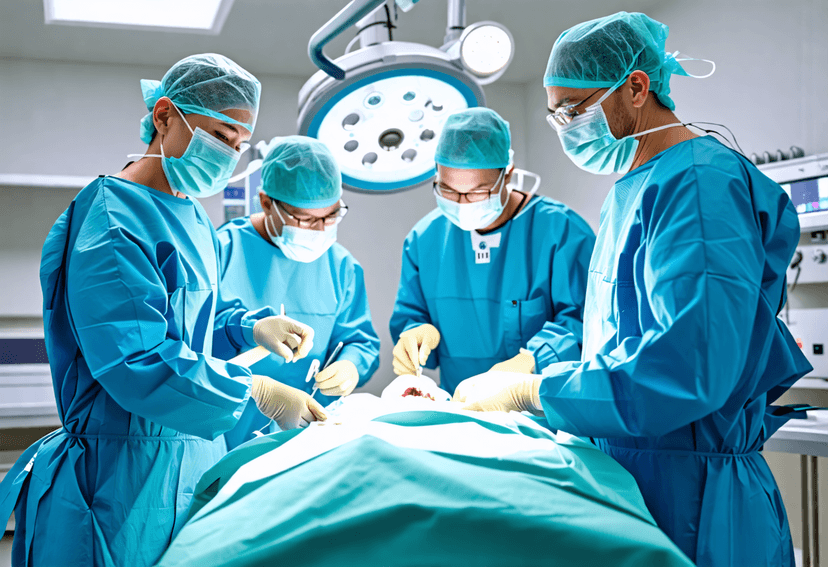
Transformer des vies avec Chirurgie DBS
Introduction
Deep Brain Stimulation (DBS) Surgery is a cutting-edge neurosurgical procedure used to treat a range of neurological disorders, particularly movement disorders such as Parkinson's disease, essential tremor, and dystonia. DBS involves implanting electrodes into specific regions of the brain to deliver controlled electrical impulses, modulating abnormal brain activity and alleviating symptoms. This article provides a comprehensive overview of DBS Surgery, including an introduction to the procedure, symptoms of neurological disorders, causes, treatment options, benefits, cost in India, and the significance of DBS in improving patients' quality of life.
Introduction to Deep Brain Stimulation (DBS) Surgery
DBS is an innovative and effective treatment for various neurological conditions, especially those associated with abnormal electrical activity in specific brain areas. The procedure is often recommended for patients who have not achieved satisfactory relief from medications or who experience intolerable side effects.
During DBS Surgery, a neurosurgeon places thin, insulated electrodes into targeted areas of the brain that control movement. These electrodes are connected to a pulse generator, typically implanted in the chest or abdomen, which sends continuous electrical impulses to regulate the brain's abnormal activity.
Symptoms of Neurological Disorders Treated with DBS
Deep Brain Stimulation is primarily used to address the symptoms of the following neurological disorders:
- Parkinson's Disease: Characterized by tremors, bradykinesia (slowness of movement), rigidity, and postural instability, Parkinson's disease affects motor function and progressively impairs daily activities.
- Essential Tremor: Essential tremor is a common movement disorder causing rhythmic, involuntary shaking, especially in the hands, which can interfere with tasks like eating, writing, and drinking.
- Dystonia: Dystonia results in involuntary muscle contractions, leading to repetitive or twisting movements and abnormal postures.
Causes of Neurological Disorders
The underlying causes of various neurological disorders are not always fully understood. However, some factors have been linked to their development:
- Parkinson's Disease: Parkinson's disease is primarily caused by the loss of dopamine-producing cells in the brain, leading to impaired communication between brain structures that regulate movement.
- Essential Tremor: The exact cause of essential tremor is unknown, but it may have a genetic component and involves abnormal brain activity in the cerebellum.
- Dystonia: Dystonia may result from genetic mutations or damage to certain brain areas responsible for coordinating muscle movements.
Treatment
Deep Brain Stimulation (DBS) Surgery: Deep Brain Stimulation is typically considered when medications are no longer providing adequate symptom control or are causing significant side effects. The surgery involves several steps:
- Preoperative Evaluation: Before DBS Surgery, a thorough assessment, including neurological examinations and brain imaging, is conducted to identify suitable candidates for the procedure.
- Implantation of Electrodes: During the surgery, the patient is awake to help the surgeon precisely place the electrodes in the brain regions responsible for the symptoms.
- Pulse Generator Implantation: The pulse generator, also called a neurostimulator, is implanted beneath the skin in the chest or abdomen and connected to the electrodes.
- Programming and Adjustment: After the surgery, the device is programmed to deliver electrical impulses at optimal settings, which can be adjusted based on the patient's response and symptom improvement.
Benefits of Deep Brain Stimulation (DBS) Surgery
DBS Surgery offers several benefits for patients with neurological disorders:
- Symptom Improvement: DBS can significantly alleviate the motor symptoms associated with Parkinson's disease, essential tremor, and dystonia, leading to enhanced motor function and coordination.
- Medication Reduction: With successful DBS, some patients may reduce their reliance on medications or experience fewer medication-related side effects.
- Long-Term Relief: DBS has shown to provide long-term symptom relief, enhancing the quality of life for patients over an extended period.
- Adjustable and Reversible: The electrical stimulation can be adjusted and fine-tuned, and the procedure is reversible, offering flexibility in managing symptoms.
Cost of Deep Brain Stimulation (DBS) Surgery in India
The cost of DBS Surgery in India can vary depending on several factors, such as the type of neurological disorder, the complexity of the procedure, the hospital or medical facility, and post-operative care. On average, the cost of DBS Surgery in India ranges from ?12,00,000 to ?18,00,000 or more.
Conclusion
Deep Brain Stimulation (DBS) Surgery has revolutionized the treatment of various neurological disorders, providing effective relief for patients with Parkinson's disease, essential tremor, and dystonia. The procedure's ability to modulate abnormal brain activity through controlled electrical impulses has significantly improved the quality of life for many individuals with movement disorders. Patients experiencing symptoms of neurological disorders should seek medical evaluation to determine if DBS Surgery is a suitable option. India's advanced healthcare facilities, experienced neurosurgeons, and cost-effective medical services make it a preferred destination for patients seeking high-quality DBS Surgery. DBS offers hope and improved outcomes for patients living with neurological conditions, promoting better quality of life and increased independence.
4.0
94% Évalué Rapport qualité-prix
Pourquoi nous choisir ?

97%
Taux de réussite

4+
Chirurgie DBS Chirurgiens

1+
Chirurgie DBS

4+
Hôpitaux dans le monde entier

4+
Vies touchées
Témoignages


Hôpital

Médecin
Aperçu
Introduction
Deep Brain Stimulation (DBS) Surgery is a cutting-edge neurosurgical procedure used to treat a range of neurological disorders, particularly movement disorders such as Parkinson's disease, essential tremor, and dystonia. DBS involves implanting electrodes into specific regions of the brain to deliver controlled electrical impulses, modulating abnormal brain activity and alleviating symptoms. This article provides a comprehensive overview of DBS Surgery, including an introduction to the procedure, symptoms of neurological disorders, causes, treatment options, benefits, cost in India, and the significance of DBS in improving patients' quality of life.
Introduction to Deep Brain Stimulation (DBS) Surgery
DBS is an innovative and effective treatment for various neurological conditions, especially those associated with abnormal electrical activity in specific brain areas. The procedure is often recommended for patients who have not achieved satisfactory relief from medications or who experience intolerable side effects.
During DBS Surgery, a neurosurgeon places thin, insulated electrodes into targeted areas of the brain that control movement. These electrodes are connected to a pulse generator, typically implanted in the chest or abdomen, which sends continuous electrical impulses to regulate the brain's abnormal activity.
Symptoms of Neurological Disorders Treated with DBS
Deep Brain Stimulation is primarily used to address the symptoms of the following neurological disorders:
- Parkinson's Disease: Characterized by tremors, bradykinesia (slowness of movement), rigidity, and postural instability, Parkinson's disease affects motor function and progressively impairs daily activities.
- Essential Tremor: Essential tremor is a common movement disorder causing rhythmic, involuntary shaking, especially in the hands, which can interfere with tasks like eating, writing, and drinking.
- Dystonia: Dystonia results in involuntary muscle contractions, leading to repetitive or twisting movements and abnormal postures.
Causes of Neurological Disorders
The underlying causes of various neurological disorders are not always fully understood. However, some factors have been linked to their development:
- Parkinson's Disease: Parkinson's disease is primarily caused by the loss of dopamine-producing cells in the brain, leading to impaired communication between brain structures that regulate movement.
- Essential Tremor: The exact cause of essential tremor is unknown, but it may have a genetic component and involves abnormal brain activity in the cerebellum.
- Dystonia: Dystonia may result from genetic mutations or damage to certain brain areas responsible for coordinating muscle movements.
Treatment
Deep Brain Stimulation (DBS) Surgery: Deep Brain Stimulation is typically considered when medications are no longer providing adequate symptom control or are causing significant side effects. The surgery involves several steps:
- Preoperative Evaluation: Before DBS Surgery, a thorough assessment, including neurological examinations and brain imaging, is conducted to identify suitable candidates for the procedure.
- Implantation of Electrodes: During the surgery, the patient is awake to help the surgeon precisely place the electrodes in the brain regions responsible for the symptoms.
- Pulse Generator Implantation: The pulse generator, also called a neurostimulator, is implanted beneath the skin in the chest or abdomen and connected to the electrodes.
- Programming and Adjustment: After the surgery, the device is programmed to deliver electrical impulses at optimal settings, which can be adjusted based on the patient's response and symptom improvement.
Benefits of Deep Brain Stimulation (DBS) Surgery
DBS Surgery offers several benefits for patients with neurological disorders:
- Symptom Improvement: DBS can significantly alleviate the motor symptoms associated with Parkinson's disease, essential tremor, and dystonia, leading to enhanced motor function and coordination.
- Medication Reduction: With successful DBS, some patients may reduce their reliance on medications or experience fewer medication-related side effects.
- Long-Term Relief: DBS has shown to provide long-term symptom relief, enhancing the quality of life for patients over an extended period.
- Adjustable and Reversible: The electrical stimulation can be adjusted and fine-tuned, and the procedure is reversible, offering flexibility in managing symptoms.
Cost of Deep Brain Stimulation (DBS) Surgery in India
The cost of DBS Surgery in India can vary depending on several factors, such as the type of neurological disorder, the complexity of the procedure, the hospital or medical facility, and post-operative care. On average, the cost of DBS Surgery in India ranges from ?12,00,000 to ?18,00,000 or more.
Conclusion
Deep Brain Stimulation (DBS) Surgery has revolutionized the treatment of various neurological disorders, providing effective relief for patients with Parkinson's disease, essential tremor, and dystonia. The procedure's ability to modulate abnormal brain activity through controlled electrical impulses has significantly improved the quality of life for many individuals with movement disorders. Patients experiencing symptoms of neurological disorders should seek medical evaluation to determine if DBS Surgery is a suitable option. India's advanced healthcare facilities, experienced neurosurgeons, and cost-effective medical services make it a preferred destination for patients seeking high-quality DBS Surgery. DBS offers hope and improved outcomes for patients living with neurological conditions, promoting better quality of life and increased independence.

Médecins

4.0
Consulte à:


4.5
Consulte à:

5.0
Consulte à:

5.0
Consulte à: