Forfaits à partir de
$3500
Besoin d'aide pour choisir le bon forfait pour votre voyage médical ?
Vos données de santé sont protégées avec nous
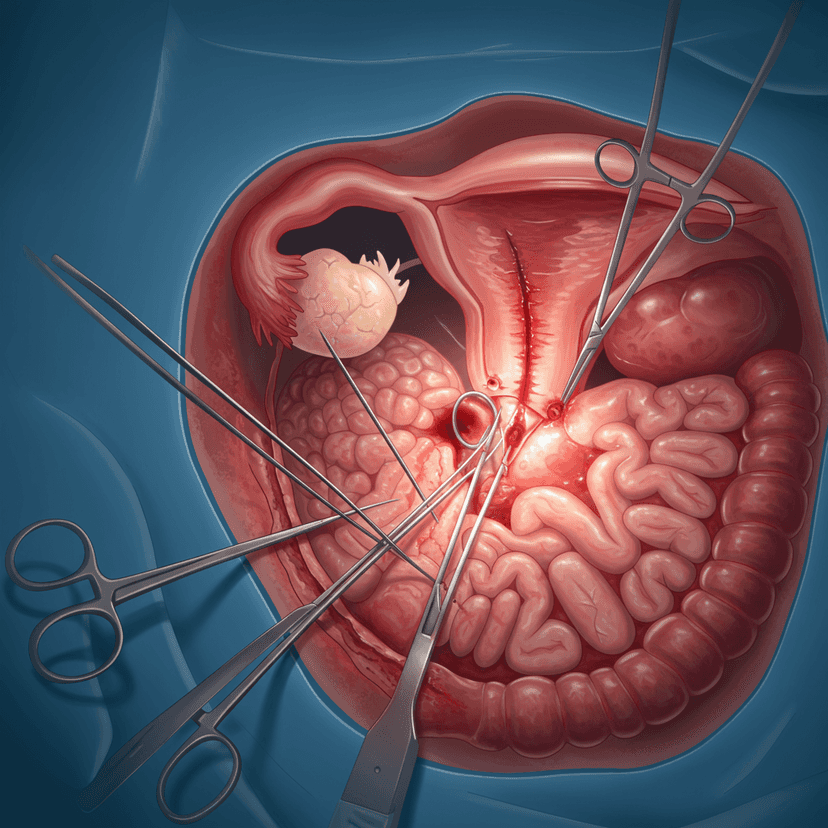
Transformer des vies avec Hystérectomie laparoscopique totale
Total Laparoscopic Hysterectomy (TLH) is a minimally invasive surgical procedure to remove the uterus and cervix through small incisions in the abdomen. This approach offers several benefits over traditional open surgery, including reduced pain, quicker recovery, and minimal scarring. TLH is often performed to treat conditions such as uterine fibroids, endometriosis, chronic pelvic pain, abnormal bleeding, or uterine cancer.
Procedure Overview:
Preoperative Preparation:
- Detailed medical evaluation, including pelvic examination, blood tests, imaging studies like ultrasound or MRI, and sometimes a biopsy.
- Discussion of the patient's medical history, current medications, and any allergies.
Surgical Steps:
- Anesthesia: General anesthesia is administered to ensure the patient is asleep and pain-free throughout the procedure.
- Incisions: Small incisions (usually 0.5 to 1 cm) are made in the abdomen, typically near the navel and lower abdomen.
- Laparoscope Insertion: A laparoscope (a thin tube with a camera) is inserted through one of the incisions to visualize the internal organs.
- Surgical Instruments: Additional instruments are inserted through the other incisions to detach the uterus and cervix from surrounding tissues and blood vessels.
- Removal: The uterus and cervix are then removed through the vagina or via a small incision in the abdomen.
- Closure: The incisions are closed with sutures or surgical glue, and a sterile dressing is applied.
Preparation:
- Medical Evaluation: Comprehensive assessments, including imaging studies and laboratory tests, to plan the surgery.
- Pre-Surgery Instructions: Guidelines on fasting, medication adjustments, and specific preoperative preparations like bowel preparation.
- Counseling: Discussion of the procedure, potential risks, and expected outcomes with the surgical team.
Recovery:
- Hospital Stay: Most patients can go home the same day or after an overnight stay, depending on individual recovery.
- Postoperative Care: Pain management, use of prescribed medications, and guidance on wound care.
- Activity Restrictions: Avoiding heavy lifting and strenuous activities for several weeks, with a gradual return to normal activities.
- Follow-Up: Regular follow-up appointments to monitor healing and address any concerns.
Outcomes:
- Effectiveness: TLH is highly effective in treating various gynecological conditions, providing symptom relief and improving quality of life.
- Prognosis: Patients generally experience less postoperative pain, faster recovery, and minimal scarring compared to open surgery.
- Long-Term Benefits: Reduced risk of complications, shorter hospital stay, and quicker return to daily activities.
Total Laparoscopic Hysterectomy is a safe and effective option for treating a range of gynecological issues, offering significant benefits in terms of recovery time and overall patient outcomes.
4.0
95% Évalué Rapport qualité-prix
Pourquoi nous choisir ?

99%
Taux de réussite

3+
Hystérectomie laparoscopique totale Chirurgiens

0
Hystérectomie laparoscopique totale

3+
Hôpitaux dans le monde entier

1+
Vies touchées
Aperçu
Total Laparoscopic Hysterectomy (TLH) is a minimally invasive surgical procedure to remove the uterus and cervix through small incisions in the abdomen. This approach offers several benefits over traditional open surgery, including reduced pain, quicker recovery, and minimal scarring. TLH is often performed to treat conditions such as uterine fibroids, endometriosis, chronic pelvic pain, abnormal bleeding, or uterine cancer.
Procedure Overview:
Preoperative Preparation:
- Detailed medical evaluation, including pelvic examination, blood tests, imaging studies like ultrasound or MRI, and sometimes a biopsy.
- Discussion of the patient's medical history, current medications, and any allergies.
Surgical Steps:
- Anesthesia: General anesthesia is administered to ensure the patient is asleep and pain-free throughout the procedure.
- Incisions: Small incisions (usually 0.5 to 1 cm) are made in the abdomen, typically near the navel and lower abdomen.
- Laparoscope Insertion: A laparoscope (a thin tube with a camera) is inserted through one of the incisions to visualize the internal organs.
- Surgical Instruments: Additional instruments are inserted through the other incisions to detach the uterus and cervix from surrounding tissues and blood vessels.
- Removal: The uterus and cervix are then removed through the vagina or via a small incision in the abdomen.
- Closure: The incisions are closed with sutures or surgical glue, and a sterile dressing is applied.
Preparation:
- Medical Evaluation: Comprehensive assessments, including imaging studies and laboratory tests, to plan the surgery.
- Pre-Surgery Instructions: Guidelines on fasting, medication adjustments, and specific preoperative preparations like bowel preparation.
- Counseling: Discussion of the procedure, potential risks, and expected outcomes with the surgical team.
Recovery:
- Hospital Stay: Most patients can go home the same day or after an overnight stay, depending on individual recovery.
- Postoperative Care: Pain management, use of prescribed medications, and guidance on wound care.
- Activity Restrictions: Avoiding heavy lifting and strenuous activities for several weeks, with a gradual return to normal activities.
- Follow-Up: Regular follow-up appointments to monitor healing and address any concerns.
Outcomes:
- Effectiveness: TLH is highly effective in treating various gynecological conditions, providing symptom relief and improving quality of life.
- Prognosis: Patients generally experience less postoperative pain, faster recovery, and minimal scarring compared to open surgery.
- Long-Term Benefits: Reduced risk of complications, shorter hospital stay, and quicker return to daily activities.
Total Laparoscopic Hysterectomy is a safe and effective option for treating a range of gynecological issues, offering significant benefits in terms of recovery time and overall patient outcomes.



Médecins

5.0
Consulte à:


5.0
Consulte à:

5.0
Consulte à: