Forfaits à partir de
$2500
Besoin d'aide pour choisir le bon forfait pour votre voyage médical ?
Vos données de santé sont protégées avec nous
Transformer des vies avec Rotation
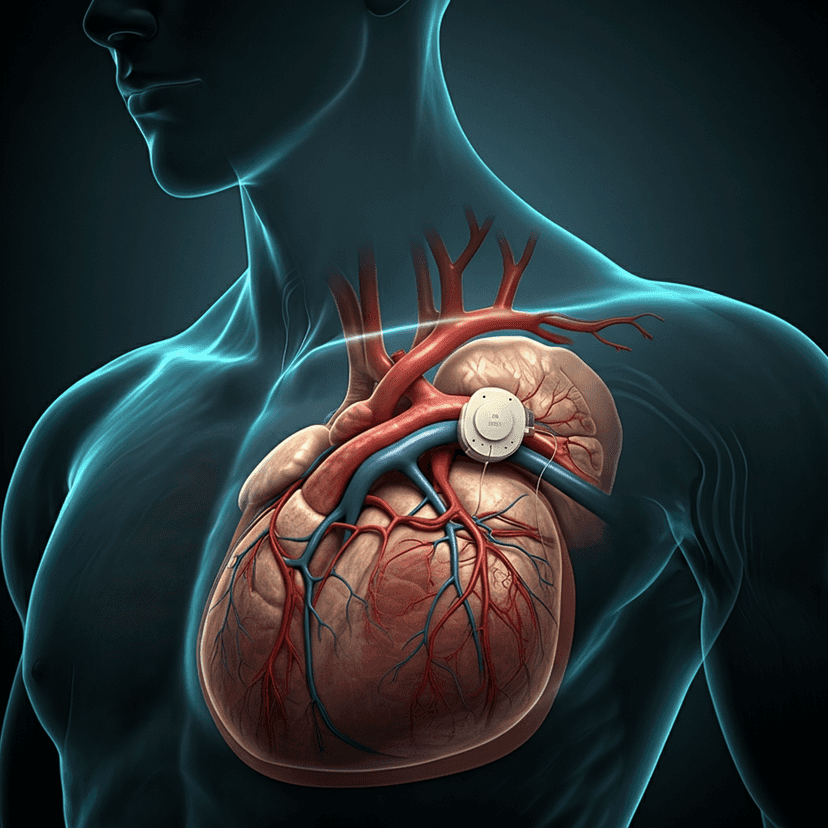
Rotablation, also known as rotational atherectomy, is a minimally invasive procedure used to treat severe coronary artery disease by removing calcified plaque from the arteries. This procedure is typically employed when traditional methods such as balloon angioplasty or stenting are ineffective due to the hardness and extent of the plaque. Rotablation helps to improve blood flow to the heart muscle, relieving symptoms like chest pain (angina) and reducing the risk of heart attacks.
Procedure Overview:
Preoperative Preparation:
- Detailed medical evaluation, including a physical examination, electrocardiogram (ECG), and imaging studies such as coronary angiography to assess the extent and location of the plaque.
- Discussion of the patient's medical history, current medications, and any allergies.
Surgical Steps:
- Anesthesia: Local anesthesia is administered at the site of catheter insertion (usually the groin or wrist), and the patient may receive sedation to help them relax.
- Catheter Insertion: A guidewire is inserted through the femoral or radial artery and advanced to the site of the blockage in the coronary artery.
- Rotablation Device: A catheter with a diamond-tipped, high-speed rotating burr is advanced over the guidewire to the blockage.
- Plaque Removal: The burr rotates at high speeds (up to 200,000 RPM), grinding the calcified plaque into tiny particles (smaller than red blood cells) that are safely washed away in the bloodstream.
- Balloon Angioplasty/Stenting: After rotablation, balloon angioplasty and/or stenting is often performed to further open the artery and maintain blood flow.
Preparation:
- Medical Evaluation: Comprehensive assessments, including imaging studies and laboratory tests, to plan the procedure.
- Pre-Surgery Instructions: Guidelines on fasting, medication adjustments (e.g., stopping blood thinners), and specific preoperative preparations.
- Counseling: Discussion of the procedure, potential risks, and expected outcomes with the medical team.
Recovery:
- Hospital Stay: Most patients stay in the hospital for a few hours to overnight for monitoring.
- Postoperative Care: Monitoring of heart function, management of access site, and use of prescribed medications to prevent clotting.
- Activity Restrictions: Avoiding strenuous activities for several days, with gradual return to normal activities.
- Follow-Up: Regular follow-up appointments to monitor heart function and ensure the artery remains open.
Outcomes:
- Effectiveness: Rotablation is highly effective in treating severe, calcified coronary artery disease, improving blood flow, and relieving symptoms.
- Prognosis: Most patients experience significant relief from angina and reduced risk of heart attacks.
- Long-Term Benefits: Improved quality of life, increased exercise tolerance, and reduced need for future coronary interventions.
5.0
95% Évalué Rapport qualité-prix
Pourquoi nous choisir ?

99%
Taux de réussite

4+
Rotation Chirurgiens

0
Rotation

4+
Hôpitaux dans le monde entier

0
Vies touchées
Aperçu
Rotablation, also known as rotational atherectomy, is a minimally invasive procedure used to treat severe coronary artery disease by removing calcified plaque from the arteries. This procedure is typically employed when traditional methods such as balloon angioplasty or stenting are ineffective due to the hardness and extent of the plaque. Rotablation helps to improve blood flow to the heart muscle, relieving symptoms like chest pain (angina) and reducing the risk of heart attacks.
Procedure Overview:
Preoperative Preparation:
- Detailed medical evaluation, including a physical examination, electrocardiogram (ECG), and imaging studies such as coronary angiography to assess the extent and location of the plaque.
- Discussion of the patient's medical history, current medications, and any allergies.
Surgical Steps:
- Anesthesia: Local anesthesia is administered at the site of catheter insertion (usually the groin or wrist), and the patient may receive sedation to help them relax.
- Catheter Insertion: A guidewire is inserted through the femoral or radial artery and advanced to the site of the blockage in the coronary artery.
- Rotablation Device: A catheter with a diamond-tipped, high-speed rotating burr is advanced over the guidewire to the blockage.
- Plaque Removal: The burr rotates at high speeds (up to 200,000 RPM), grinding the calcified plaque into tiny particles (smaller than red blood cells) that are safely washed away in the bloodstream.
- Balloon Angioplasty/Stenting: After rotablation, balloon angioplasty and/or stenting is often performed to further open the artery and maintain blood flow.
Preparation:
- Medical Evaluation: Comprehensive assessments, including imaging studies and laboratory tests, to plan the procedure.
- Pre-Surgery Instructions: Guidelines on fasting, medication adjustments (e.g., stopping blood thinners), and specific preoperative preparations.
- Counseling: Discussion of the procedure, potential risks, and expected outcomes with the medical team.
Recovery:
- Hospital Stay: Most patients stay in the hospital for a few hours to overnight for monitoring.
- Postoperative Care: Monitoring of heart function, management of access site, and use of prescribed medications to prevent clotting.
- Activity Restrictions: Avoiding strenuous activities for several days, with gradual return to normal activities.
- Follow-Up: Regular follow-up appointments to monitor heart function and ensure the artery remains open.
Outcomes:
- Effectiveness: Rotablation is highly effective in treating severe, calcified coronary artery disease, improving blood flow, and relieving symptoms.
- Prognosis: Most patients experience significant relief from angina and reduced risk of heart attacks.
- Long-Term Benefits: Improved quality of life, increased exercise tolerance, and reduced need for future coronary interventions.



Médecins

5.0
Consulte à:


5.0
Consulte à:

4.0
Consulte à: