Comprendre le rôle de l'annexe : démystifier les mythes sur la repousse
02 Nov, 2023
 Équipe Healthtrip
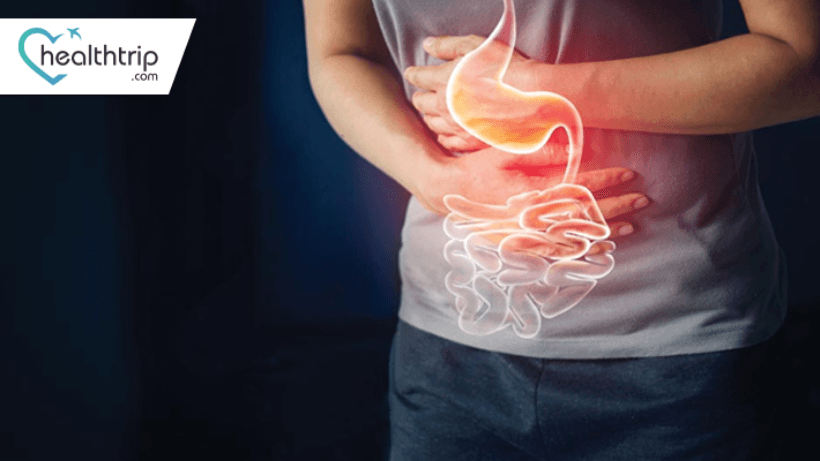
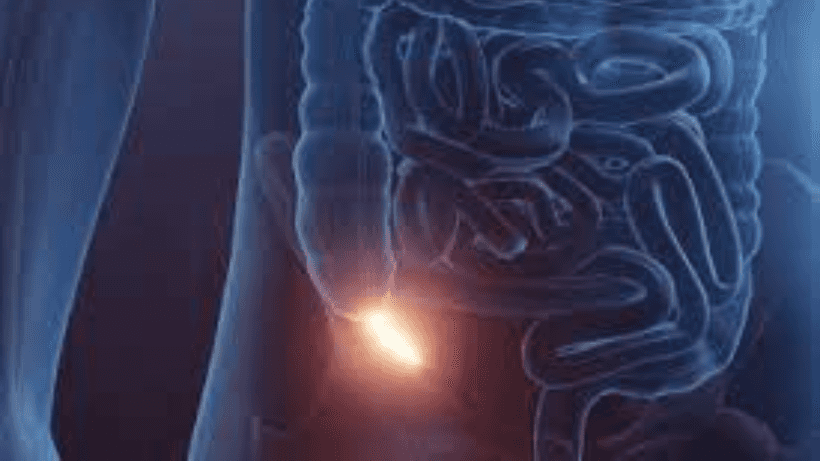
Introduction The human appendix, a small, tube-shaped pouch located at the junction of the small and large intestines, has long been enshrouded in medical mystery. Once dismissed as a redundant vestige of evolution, recent scientific discoveries have shed light on its critical functions within our bodies. This comprehensive exploration aims to demystify the appendix, highlight its importance to our immune system and gut health, and dispel the enduring myths about its ability to regrow after surgical removal.
Procédures les plus populaires dans Inde


A. The Essential Functions of the Appendix
The appendix's role in human health is multifaceted and significant. It is not a relic of the past but an active participant in the body's defense mechanisms.

Soins de bien-être
Donnez-vous le temps de vous détendre
Prix les plus bas garantis !

Prix les plus bas garantis !
1. Immune System Enhancer
- Development of B Lymphocytes: Within the appendix's lymphoid tissue, B lymphocytes, a type of white blood cell, are nurtured and developed. These cells are essential for the adaptive immune system, producing antibodies that specifically target pathogens.
- Production of Immunoglobulin A (IgA): The appendix also contributes to the production of IgA antibodies, which are critical in protecting the gastrointestinal tract from infection by neutralizing pathogens in ingested food and drink.2. Guardian of Gut Flora .
2. Guardian of Gut Flora
784 patients de Inde choisir ce forfait pour leur Forfait transplantation hépatique

- Replenishing the Gut with Beneficial Bacteria: The appendix serves as a reservoir for commensal bacteria, which are crucial for a healthy gut microbiome. In the event of a gastrointestinal upset that depletes gut flora, the appendix can help in recolonizing the intestines with beneficial bacteria .
- Maintaining a Healthy Gut Microbiome: A robust gut microbiome is linked to various positive health outcomes, including immune function and mental health. The appendix supports this microbiome, ensuring a balanced bacterial environment within the gut.
B. Dispelling the Myths of Appendix Regrowth
Despite the body's remarkable healing abilities, the regeneration of entire organs is a feat beyond its capabilities, and the appendix is no exception.
1. The Misconception of Regeneration
- Lack of Regenerative Tissue: Human tissue regeneration is limited and does not extend to the appendix. Unlike the liver, which can regenerate to a significant extent, the appendix lacks the necessary cellular structure and regenerative properties to rebuild itself after removal.
- Absence of Scientific Evidence: No scientific studies or medical literature support the notion that the appendix can regrow. This myth likely arises from anecdotal reports and misunderstandings rather than empirical evidence
2. Stump Appendicitis: A Surgical Complication
- Incomplete Removal and Inflammation: Occasionally, if the appendix is not fully removed during an appendectomy, the remaining stump may become inflamed, leading to a condition known as stump appendicitis, which can mimic the symptoms of original appendicitis.
- Misinterpretation as Regrowth: The symptoms of stump appendicitis can be mistaken for the appendix regrowing, but it is, in reality, a complication from the initial surgery, not a regenerative process.
C. Post-Appendectomy:
Adjusting Without the Appendix The removal of the appendix does not generally lead to long-term health problems, thanks to the body's ability to adapt.
1. Compensatory Mechanisms in the Body
- Immune System Adaptation: Other lymphatic organs, such as the spleen and lymph nodes, take over the immune functions of the appendix post-removal, ensuring the body remains protected against infections.
- Gut Microbiome Resilience: The gut microbiome is capable of recovering after the loss of the appendix. The remaining gut flora can repopulate the gut, and dietary interventions can further support this process.
2. Evolving Treatment Approaches
- Use of Antibiotics: In cases of uncomplicated appendicitis, antibiotics have been shown to be an effective alternative to surgery, offering a non-invasive treatment option that preserves the appendix.
- Judicious Consideration of Appendectomy: The decision to remove the appendix is now made with greater consideration of the organ's functions, particularly in children, with a preference for less invasive treatments when appropriate.
Recognizing the Appendix's Value in Human Anatomy The appendix is a small organ with significant roles in the immune system and maintaining gut health. The myth of its regrowth after removal has been debunked by science. As our understanding of the appendix evolves, so do our treatment methods for appendicitis, increasingly favoring organ preservation and acknowledging the appendix's value in our anatomy.