Le rôle du VP Shunt dans le traitement de l'hydrocéphalie
06 Dec, 2024
 Voyage santé
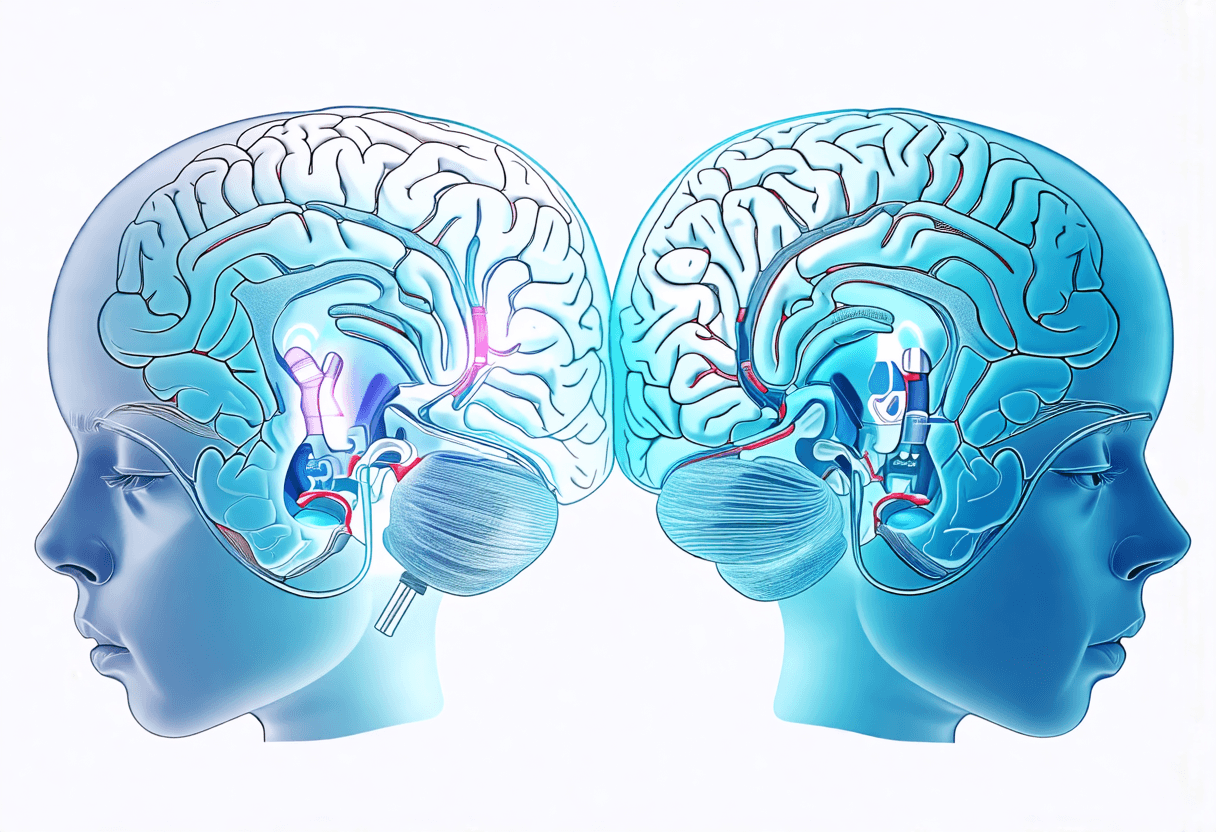
Hydrocephalus, a condition characterized by the abnormal accumulation of cerebrospinal fluid in the brain, can be a daunting diagnosis for patients and their families. The excess fluid, which normally cushions and protects the brain, can lead to increased pressure, causing a range of symptoms including headaches, vision problems, and even cognitive impairment. While the diagnosis can be overwhelming, advances in medical technology have made it possible to effectively manage the condition, and one such innovation is the Ventriculoperitoneal (VP) shunt. In this blog, we'll delve into the role of VP shunts in hydrocephalus treatment, exploring how they work, their benefits, and what patients can expect from the procedure.
Understanding Hydrocephalus and the Need for VP Shunts
Hydrocephalus is a condition that affects people of all ages, from infants to adults. In normal circumstances, cerebrospinal fluid (CSF) flows through the brain and spinal cord, cushioning and protecting these delicate structures. However, in cases of hydrocephalus, the CSF accumulates in the brain, leading to increased pressure and potential damage to brain tissue. The condition can be caused by a range of factors, including congenital abnormalities, head injuries, infections, and tumors. While some cases of hydrocephalus can be treated with medication or other interventions, many require the insertion of a VP shunt to divert the excess CSF and alleviate pressure on the brain.
Procédures les plus populaires dans Inde


The Mechanics of VP Shunts
A VP shunt is a medical device that consists of three main components: a ventricular catheter, a valve, and a distal catheter. The ventricular catheter is inserted into the brain's ventricle, where it drains excess CSF. The valve regulates the flow of CSF, ensuring that it drains at a controlled rate. The distal catheter is inserted into the abdominal cavity, where the CSF is absorbed by the body. The shunt is typically inserted under general anesthesia, and the procedure can take several hours to complete.

Soins de bien-être
Donnez-vous le temps de vous détendre
Prix les plus bas garantis !

Prix les plus bas garantis !
Benefits of VP Shunts in Hydrocephalus Treatment
The insertion of a VP shunt can be a life-changing procedure for individuals with hydrocephalus. By diverting excess CSF, the shunt reduces pressure on the brain, alleviating symptoms such as headaches, nausea, and vomiting. In many cases, patients experience significant improvements in their quality of life, with increased mobility, cognitive function, and overall well-being. VP shunts are particularly effective in treating hydrocephalus in infants, where the condition can have a profound impact on development and growth.
Minimizing Complications and Risks
While VP shunts are highly effective in managing hydrocephalus, they are not without risks. Complications can include infection, shunt malfunction, and blockage. To minimize these risks, it's essential to work with an experienced neurosurgeon and follow post-operative instructions carefully. Regular monitoring and follow-up appointments are also crucial to ensure the shunt is functioning properly and to address any potential issues promptly.
What to Expect from VP Shunt Surgery
Undergoing VP shunt surgery can be a daunting prospect, but understanding what to expect can help alleviate anxiety and uncertainty. Prior to surgery, patients will undergo a range of tests, including imaging studies and blood work, to ensure they are suitable for the procedure. On the day of surgery, patients will be administered general anesthesia, and the procedure will typically take several hours to complete. Following surgery, patients will be monitored in the ICU for several days before being discharged home. A period of rest and recovery is essential to ensure the shunt heals properly and to minimize the risk of complications.
637 patients de Inde choisir ce forfait pour leur Forfait transplantation hépatique

Life After VP Shunt Surgery
While VP shunt surgery is a significant intervention, it's not a cure for hydrocephalus. Patients will need to commit to regular follow-up appointments and monitoring to ensure the shunt is functioning properly. Additionally, patients may need to make lifestyle adjustments, such as avoiding contact sports and taking precautions to avoid infection. However, with proper care and management, individuals with VP shunts can lead active, fulfilling lives, free from the debilitating symptoms of hydrocephalus.
Conclusion
In conclusion, VP shunts play a vital role in the treatment of hydrocephalus, offering a highly effective solution for managing the condition. By understanding the mechanics of VP shunts, their benefits, and what to expect from the procedure, patients can make informed decisions about their care. At Healthtrip, we are committed to providing patients with access to the latest medical innovations, including VP shunts, and supporting them every step of the way on their journey to wellness.
Forfaits bien-être les plus populaires





Blogs associés

Plan de sortie et de suivi pour la chirurgie oculaire via Healthtrip
Planifier une chirurgie oculaire en Inde avec Healthtrip : hôpitaux, médecins, visas,

Consultation à distance pour la chirurgie oculaire avant le voyage avec Healthtrip
Planifier une chirurgie oculaire en Inde avec Healthtrip : hôpitaux, médecins, visas,

Comparaison des forfaits de chirurgie oculaire dans les hôpitaux Healthtrip
Planifier une chirurgie oculaire en Inde avec Healthtrip : hôpitaux, médecins, visas,

Normes de soins intensifs et postopératoires pour la chirurgie oculaire Healthtrip Guide
Planifier une chirurgie oculaire en Inde avec Healthtrip : hôpitaux, médecins, visas,

Liste de contrôle de pré-admission pour les patients en chirurgie oculaire via Healthtrip
Planifier une chirurgie oculaire en Inde avec Healthtrip : hôpitaux, médecins, visas,

Meilleurs médecins en Inde pour la chirurgie oculaire grâce à Healthtrip
Planifier une chirurgie oculaire en Inde avec Healthtrip : hôpitaux, médecins, visas,