Le rôle des cellules souches dans la transplantation
07 Oct, 2024
 Voyage santé
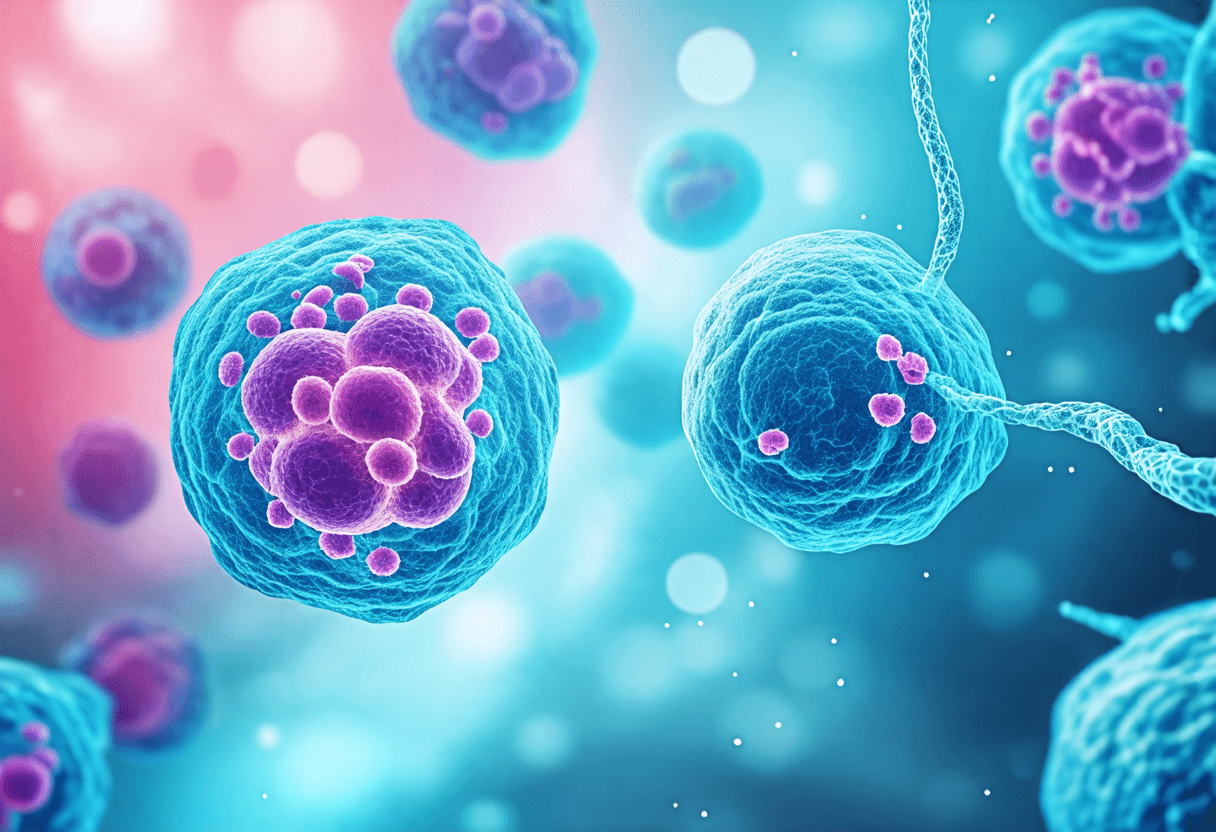
Les cellules souches ont été saluées comme un changeur de jeu dans le domaine de la médecine, et pour une bonne raison. Ces minuscules cellules polyvalentes ont le potentiel de révolutionner la façon dont nous abordons la transplantation et, ce faisant, changent la vie de millions de personnes dans le monde. Mais quelles sont exactement les cellules souches, et comment s'intègrent-elles dans le monde complexe de la transplantation?
Les bases des cellules souches
Les cellules souches sont un type de cellule qui a la capacité de se différencier en différents types de cellules dans le corps. Cela signifie qu'ils peuvent se transformer en cellules qui composent des organes, des tissus et même des systèmes entiers. Il existe deux principaux types de cellules souches : les cellules souches embryonnaires, qui proviennent d'embryons, et les cellules souches adultes, que l'on trouve dans les tissus adultes. Alors que les cellules souches embryonnaires ont le plus de potentiel de différenciation, les cellules souches adultes sont également incroyablement précieuses, en particulier dans le contexte de la transplantation.
Procédures les plus populaires dans Inde


Types de cellules souches utilisées en transplantation
Il existe plusieurs types de cellules souches qui sont utilisées dans la transplantation, chacune avec ses propres caractéristiques et avantages uniques. Les cellules souches hématopoïétiques, par exemple, sont utilisées pour traiter les troubles du sang tels que la leucémie et le lymphome. Ces cellules se trouvent dans la moelle osseuse et peuvent se différencier en différents types de cellules sanguines. Les cellules souches mésenchymateuses, quant à elles, se trouvent dans les tissus adultes et peuvent se différencier en cellules qui constituent le tissu conjonctif, comme les os et le cartilage.

Soins de bien-être
Donnez-vous le temps de vous détendre
Prix les plus bas garantis !

Prix les plus bas garantis !
Le processus de transplantation de cellules souches
La transplantation de cellules souches est un processus complexe qui comporte plusieurs étapes. Premièrement, les propres cellules souches du patient sont récoltées, soit à partir de moelle osseuse ou de sang périphérique. Les cellules sont ensuite traitées et préparées pour la transplantation. Dans certains cas, les propres cellules souches du patient peuvent ne pas convenir à la transplantation, auquel cas les cellules souches du donneur peuvent être utilisées. Les cellules souches sont ensuite infusées dans le patient, où ils peuvent se différencier en types de cellules nécessaires et réparer ou remplacer les tissus endommagés.
Risques et défis de la transplantation de cellules souches
Bien que la transplantation de cellules souches tient une énorme promesse, elle n'est pas sans risques et défis. L'un des risques les plus importants est la maladie du greffon contre l'hôte, qui survient lorsque les cellules souches greffées attaquent les propres tissus du patient. D'autres risques incluent l'infection, les dommages aux organes et le rejet des cellules transplantées. De plus, le processus de récolte et de traitement des cellules souches peut prendre du temps et être coûteux.
Applications actuelles de la transplantation de cellules souches
La greffe de cellules souches est actuellement utilisée pour traiter toute une série de maladies et de troubles, notamment les cancers du sang, les maladies héréditaires et les maladies auto-immunes. Dans le cas des cancers du sang, comme la leucémie et le lymphome, la transplantation de cellules souches peut être un traitement vital. Les maladies héréditaires, telles que la drépanocytose et la thalassémie, peuvent également être traitées par transplantation de cellules souches. De plus, les chercheurs étudient l’utilisation de la transplantation de cellules souches pour traiter des maladies auto-immunes telles que la sclérose en plaques et le diabète de type.
689 patients de Inde choisir ce forfait pour leur Forfait transplantation hépatique

Directions futures dans la transplantation de cellules souches
Malgré les progrès réalisés dans la transplantation de cellules souches, il reste encore beaucoup à apprendre. Les chercheurs s'efforcent d'améliorer l'efficacité et la sécurité du processus, ainsi que d'élargir ses applications pour traiter un plus large éventail de maladies et de troubles. Un domaine d'intérêt particulier est l'utilisation de cellules souches pluripotentes induites, qui peuvent être générées à partir de cellules adultes et ont la capacité de se différencier en n'importe quel type de cellule dans le corps. Ces cellules recèlent un énorme potentiel pour le traitement d’un large éventail de maladies et de troubles.
Conclusion
Forfaits bien-être les plus populaires





Blogs associés
Thérapie des cellules souches en orthopédie: l'avenir de la médecine régénérative
Déverrouiller le potentiel de la thérapie des cellules souches dans les soins orthopédiques
Thérapie par cellules souches pour les troubles neurologiques
Explorez le potentiel de la thérapie des cellules souches dans le traitement neurologique
L'avenir de la thérapie sur les cellules souches
Renseignez-vous sur l'avenir passionnant de la thérapie des cellules souches et
Thérapie par cellules souches pour les blessures orthopédiques
Découvrez comment la thérapie par cellules souches peut aider à les blessures orthopédiques
Les avantages de la thérapie par cellules souches
Explorez les nombreux avantages de la thérapie des cellules souches pour votre
Cellules souches dans le traitement du cancer
Découvrez comment la thérapie des cellules souches révolutionne le traitement du cancer