
Sensibilisation au cancer de l'estomac : vous éduquer et éduquer les autres
18 Oct, 2024
 Voyage santé
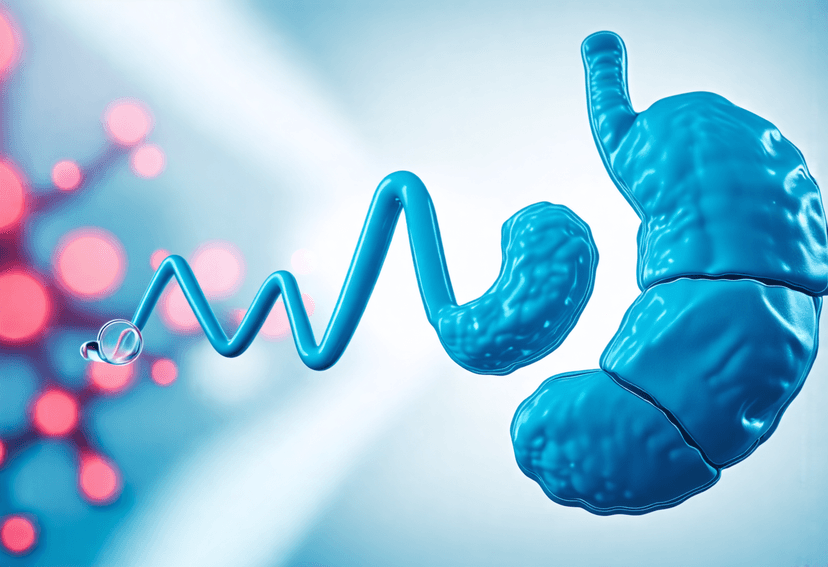
Stomach cancer, also known as gastric cancer, is a type of cancer that affects the stomach, which is a vital organ responsible for digesting food. It's a disease that can affect anyone, regardless of age, gender, or ethnicity, and yet, it's often overlooked and misunderstood. In fact, according to the American Cancer Society, stomach cancer is the fifth most common type of cancer worldwide, and it's estimated that over 1 million new cases are diagnosed every year. Despite its prevalence, stomach cancer remains a silent killer, often detected at an advanced stage when treatment options are limited. This is why educating yourself and others about stomach cancer is crucial in the fight against this disease.
Understanding Stomach Cancer
So, what exactly is stomach cancer? It's a type of cancer that occurs when abnormal cells in the stomach lining grow and multiply uncontrollably, forming a tumor. There are several types of stomach cancer, including adenocarcinoma, lymphoma, and gastrointestinal stromal tumors. The exact cause of stomach cancer is still unknown, but certain risk factors can increase a person's chances of developing the disease. These include a family history of stomach cancer, infection with Helicobacter pylori (H. pylori) bacteria, and a diet high in salted and smoked foods.
Procédures les plus populaires dans Inde


Risk Factors and Symptoms
Stomach cancer can be a silent killer, often masquerading as other conditions or diseases. However, there are certain symptoms that may indicate the presence of stomach cancer. These include indigestion, nausea, vomiting, abdominal pain, and difficulty swallowing. If you experience any of these symptoms, it's essential to consult with your doctor, especially if you have a family history of stomach cancer or are over the age of 50. Early detection is key in treating stomach cancer, and a timely diagnosis can significantly improve treatment outcomes.

Soins de bien-être
Donnez-vous le temps de vous détendre
Prix les plus bas garantis !

Prix les plus bas garantis !
The Importance of Early Detection
Early detection is critical in treating stomach cancer. When detected at an early stage, stomach cancer is often treatable, and the five-year survival rate is significantly higher. In fact, according to the American Cancer Society, the five-year survival rate for stomach cancer diagnosed at an early stage is around 65%, compared to just 5% for those diagnosed at an advanced stage. So, how can you ensure early detection? The answer lies in regular screenings and check-ups. If you're over the age of 50 or have a family history of stomach cancer, talk to your doctor about scheduling regular endoscopies or other screening tests.
Screening Tests and Diagnosis
There are several screening tests available to detect stomach cancer, including endoscopy, biopsy, and imaging tests such as CT or MRI scans. During an endoscopy, a flexible tube with a camera attached is inserted through the mouth and into the stomach, allowing your doctor to visualize the stomach lining and detect any abnormalities. A biopsy involves removing a sample of tissue from the stomach lining, which is then examined for cancer cells. Imaging tests, such as CT or MRI scans, can help detect the presence of a tumor in the stomach.
Treatment Options and Support
If you're diagnosed with stomach cancer, it's essential to seek treatment immediately. The type of treatment will depend on the stage and location of the cancer, as well as your overall health. Treatment options may include surgery, chemotherapy, radiation therapy, or a combination of these. Surgery involves removing the tumor and affected tissue, while chemotherapy and radiation therapy aim to kill cancer cells. It's also essential to seek support from family, friends, and support groups, as the journey to recovery can be long and challenging.
720 patients de Inde choisir ce forfait pour leur Forfait transplantation hépatique

Coping with Stomach Cancer
Coping with stomach cancer can be overwhelming, both physically and emotionally. It's essential to prioritize your mental health and seek support from loved ones, support groups, or mental health professionals. Maintaining a healthy diet, exercising regularly, and practicing stress-reducing techniques such as meditation or yoga can also help alleviate symptoms and improve overall well-being.
Raising Awareness and Supporting Research
Raising awareness about stomach cancer is crucial in the fight against this disease. By educating yourself and others, you can help reduce the stigma associated with stomach cancer and encourage people to seek medical attention if they experience symptoms. You can also support research into the causes and treatment of stomach cancer by donating to reputable organizations or participating in fundraising events. Every dollar counts, and every voice matters in the fight against stomach cancer.
So, what can you do today to make a difference? Share this article with your friends and family, and encourage them to educate themselves about stomach cancer. You can also participate in awareness campaigns, volunteer at a local hospital, or donate to a reputable organization dedicated to stomach cancer research. Together, we can make a difference and create a world where stomach cancer is no longer a silent killer.
Forfaits bien-être les plus populaires





Blogs associés
Cancer de la vessie : facteurs de risque et symptômes
Restez informé sur le cancer de la vessie, ses facteurs de risque et ses symptômes

Sensibilisation au cancer de la prostate
Restez informé sur le cancer de la prostate, ses symptômes et les options de traitement

Comprendre le cancer de la bouche: un guide HealthTrip
Découvrez les symptômes, les causes et les options de traitement de la bouche

Mois de sensibilisation au cancer de la bouche: impliquez-vous
Rejoignez le mouvement pour sensibiliser au cancer de la bouche et
Chimiothérapie pour le cancer de l'estomac
Le rôle de la chimiothérapie dans le traitement du cancer de l'estomac

Prévention du cancer de l'estomac: changements de style de vie et réduction des risques
Découvrez les changements de style de vie et la réduction des risques pour le cancer de l'estomac