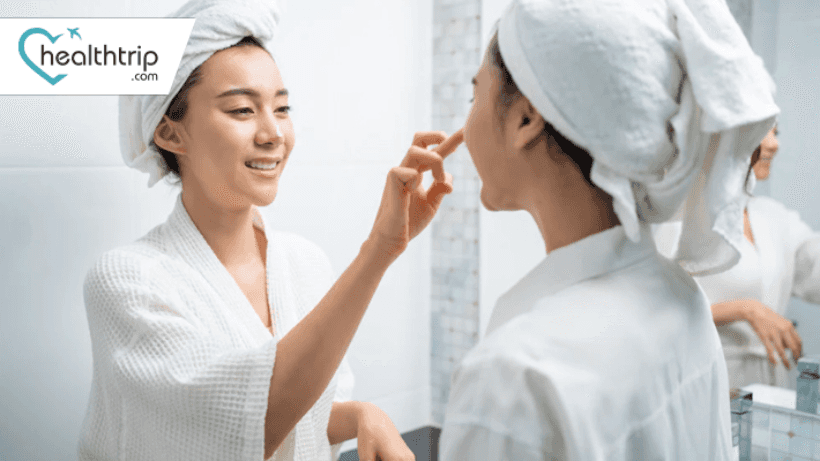
La science derrière une peau éclatante : un guide complet
04 Sep, 2023
 Obaidullah Junaid
Glowing skin is often considered a hallmark of beauty and vitality. It's that radiant and luminous complexion that many people aspire to achieve. But what exactly is the science behind glowing skin? Is it solely about genetics, or are there tangible factors that contribute to this coveted attribute? In this comprehensive guide, we delve into the science behind glowing skin, exploring the physiological processes, lifestyle choices, and skincare practices that can help you attain and maintain that coveted radiance.
Procédures les plus populaires dans Inde


The Basics of Skin Structure:
Before we delve into the science of glowing skin, let's briefly understand the basic structure of the skin. The skin is composed of three main layers: the epidermis, the dermis, and the hypodermis (subcutaneous tissue). The epidermis is the outermost layer and acts as a protective barrier. The dermis contains blood vessels, hair follicles, and sweat glands, while the hypodermis provides insulation and stores energy.
More on Dermatology: https://www.healthtrip.com/treatment/dermatology/s...

Soins de bien-être
Donnez-vous le temps de vous détendre
Prix les plus bas garantis !

Prix les plus bas garantis !
Key Factors for Glowing Skin:
1.Cell Turnover: The epidermis is continuously renewing itself through a process called cell turnover. New skin cells are formed in the lower layers and gradually move to the surface. The old, dead skin cells are shed, revealing fresher, brighter skin underneath. However, as we age, this turnover process slows down, resulting in a buildup of dead cells and a dull complexion.
2.Hydration: Well-hydrated skin appears plump and youthful. Adequate hydration supports cell turnover and helps maintain the skin's natural barrier function. Properly hydrated skin reflects light better, giving it a radiant appearance.
3.Collagen and Elastin: Collagen and elastin are proteins found in the dermis that provide structure and elasticity to the skin. Collagen keeps the skin firm, while elastin allows it to bounce back after being stretched. As we age, the production of these proteins decreases, leading to sagging and the loss of skin's youthful glow.
4.Blood Circulation: Good blood circulation ensures that skin cells receive the necessary nutrients and oxygen for optimal function. Improved circulation contributes to a healthy complexion and a natural glow.
629 patients de Inde choisir ce forfait pour leur Forfait transplantation hépatique
Lifestyle Choices for Glowing Skin:
1.Nutrition: A balanced diet rich in vitamins, minerals, antioxidants, and healthy fats supports skin health. Vitamins like A, C, and E play a role in collagen production and protection against oxidative stress.
2.Hydration: Drinking enough water helps maintain skin moisture and supports the natural process of shedding dead skin cells.
3.Sleep: During sleep, the body repairs and regenerates cells, including skin cells. A lack of sleep can lead to dullness and a lacklustre complexion.
4.Stress Management: Chronic stress can contribute to skin issues like acne and eczema. Stress management techniques, such as meditation and yoga, can promote skin health.
5.Physical Activity: Regular exercise improves blood circulation, promoting nutrient delivery to skin cells. It also helps in eliminating toxins through sweat.
6. Home remedies:https://www.healthtrip.com/blog/tag/natural-remedi...
Skincare Practices for Glowing Skin:
1.Cleansing: Proper cleansing removes dirt, oil, and makeup, preventing clogged pores and allowing the skin to breathe.
2.Exfoliation: Exfoliating removes dead skin cells, promoting cell turnover and revealing fresh skin. However, moderation is key, as excessive exfoliation can lead to irritation.
3.Miniaturisation: A good moisturizer helps maintain the skin's natural barrier, preventing water loss and enhancing radiance.
4.Sun Protection: Sunscreen is essential to protect the skin from harmful UV rays that can cause premature ageing, pigmentation, and a dull complexion.
5.Serums and Treatments: Targeted treatments like vitamin C serums, retinoid, and hyaluronic acid can address specific skin concerns and improve overall texture and radiance.
Conclusion
The science behind glowing skin encompasses a complex interplay of factors, including cell turnover, hydration, collagen production, and blood circulation. While genetics do play a role, lifestyle choices and skincare practices are equally crucial in achieving and maintaining a radiant complexion. Understanding the basic physiology of the skin and implementing a well-rounded approach that combines a healthy lifestyle, proper skincare routines, treatment if required and informed choices can unlock the secret to truly glowing skin.
Forfaits bien-être les plus populaires





Blogs associés

HealthTrip: Votre guide pour les principaux centres de transplantation multi-organismes
Voyage santé

HealthTrip: Options de traitement des cerveaux avancées avec des chirurgiens experts
Voyage santé

HealthTrip: Traitement mondial de la FIV - Voyage vers la parentalité
Votre chemin vers la parentalité avec HealthTrip
HealthTrip: Navigation des options et des prix internationaux de transplantation hépatique
Voyage santé
HealthTrip: Top 10 pays pour la transplantation hépatique touristique médicale 2025
HealthTrip Medical Tourisme
HealthTrip: Top 15 des chirurgiens de transplantation hépatique pour les patients internationaux
Voyage santé