
Gérer le rejet après la transplantation
08 Oct, 2024
 Voyage santé
Rejet - Le mot lui-même envoie des frissons dans la colonne vertébrale de quiconque a subi une greffe. C'est une crainte constante qui s'attarde dans le fond de leur esprit, un doute lancinant qui peut parfois être écrasant. Le voyage vers la récupération après une greffe est long et ardu, rempli de rebondissements qui peuvent être épuisés émotionnellement. Et pourtant, malgré les progrès de la science médicale, le rejet reste une dure réalité que de nombreux bénéficiaires de transplantation doivent faire face.
Le bilan émotionnel du rejet
Le rejet n’est pas seulement un phénomène médical. Le sentiment de déception, de frustration et d’impuissance peut être écrasant, rendant difficile l’acceptation du fait que le corps rejette l’organe greffé. C'est comme si on vous disait que votre corps vous fait défaut, qu'il n'est pas assez fort pour accepter le don de la vie qui vous a été fait.
Procédures les plus populaires dans Inde


Pour de nombreux patients, le rejet peut déclencher des sentiments d’anxiété, de dépression et une faible estime de soi. Ils peuvent avoir l'impression d'être coincés dans un cycle sans fin de visites à l'hôpital, de médicaments et d'incertitude. Le fardeau émotionnel peut être si écrasant qu’il affecte leurs relations, leur travail et leur qualité de vie en général.
La peur de l'inconnu
L’un des aspects les plus intimidants du rejet est la peur de l’inconnu. Les patients se demandent souvent ce qui a déclenché le rejet, que ce soit le résultat de leurs propres actions ou d'une complication médicale. L'incertitude peut être paralysante, ce qui leur rend difficile d'aller de l'avant et de donner un sens à leur situation.

Soins de bien-être
Donnez-vous le temps de vous détendre
Prix les plus bas garantis !

Prix les plus bas garantis !
Cette peur peut être aggravée par le manque de contrôle des patients sur leur corps. Ils peuvent avoir l'impression d'être à la merci de leur système immunitaire, impuissants pour empêcher le rejet de se produire. C'est un sentiment qui peut être incroyablement isolant, donnant aux patients le sentiment de mener une bataille solitaire.
L'importance des systèmes de soutien
Mais le rejet ne doit pas être une expérience solitaire. En fait, disposer d’un système de soutien solide peut faire toute la différence dans le monde. La famille, les amis et les groupes de soutien peuvent fournir une bouée de sauvetage aux patients, en les aidant à naviguer dans l'agitation émotionnelle du rejet.
Un partenaire de soutien, par exemple, peut être un roc, offrant stabilité émotionnelle et réconfort dans les moments les plus sombres. Les amis peuvent fournir une distraction bien nécessaire, en détournant l'esprit du patient de son état et en l'aidant à se sentir connecté au monde extérieur aux murs de l'hôpital. Et les groupes de soutien peuvent offrir un sentiment de communauté, un espace où les patients peuvent partager leurs expériences et se connecter avec d'autres personnes qui comprennent leurs difficultés.
Le rôle des professionnels de la santé mentale
Les professionnels de la santé mentale, tels que les thérapeutes et les conseillers, peuvent également jouer un rôle essentiel en aidant les patients à faire face au rejet. Ils peuvent fournir aux patients les outils dont ils ont besoin pour gérer leurs émotions, développer des stratégies d'adaptation et reprendre le contrôle de leur vie.
638 patients de Inde choisir ce forfait pour leur Forfait transplantation hépatique

La thérapie peut être particulièrement utile pour aborder les retombées émotionnelles du rejet. Cela peut aider les patients à gérer leurs sentiments, à surmonter leur deuil et à développer un état d'esprit plus positif. En parlant à travers leurs émotions, les patients peuvent mieux comprendre d'eux-mêmes et développer une approche plus compatissante de leur situation.
Trouver des moyens de faire face
Alors, comment les patients peuvent-ils faire face au rejet après une transplantation? La réponse réside dans la recherche de moyens de gérer leurs émotions, de se concentrer sur leur bien-être et de célébrer leurs forces.
Une façon de faire face est de pratiquer les soins personnels. Cela peut impliquer des activités comme la méditation, le yoga ou simplement prendre un bain relaxant. En prenant soin de leurs besoins physiques et émotionnels, les patients peuvent réduire leur niveau de stress et améliorer leur bien-être global.
Une autre façon de faire face est de se concentrer sur les aspects positifs de sa vie. Les patients peuvent réfléchir aux choses pour lesquelles ils sont reconnaissants, aussi petites qu'elles puissent paraître. Cela peut aider à détourner leur concentration du rejet et vers les bonnes choses de leur vie.
Enfin, les patients peuvent célébrer leurs forces et leur résilience. Ils peuvent reconnaître qu'ils ont survécu à la greffe, qu'ils ont surmonté la partie la plus difficile de leur voyage. En reconnaissant leur propre force, les patients peuvent développer un état d'esprit plus positif et trouver le courage de continuer à avancer.
Forfaits bien-être les plus populaires





Blogs associés
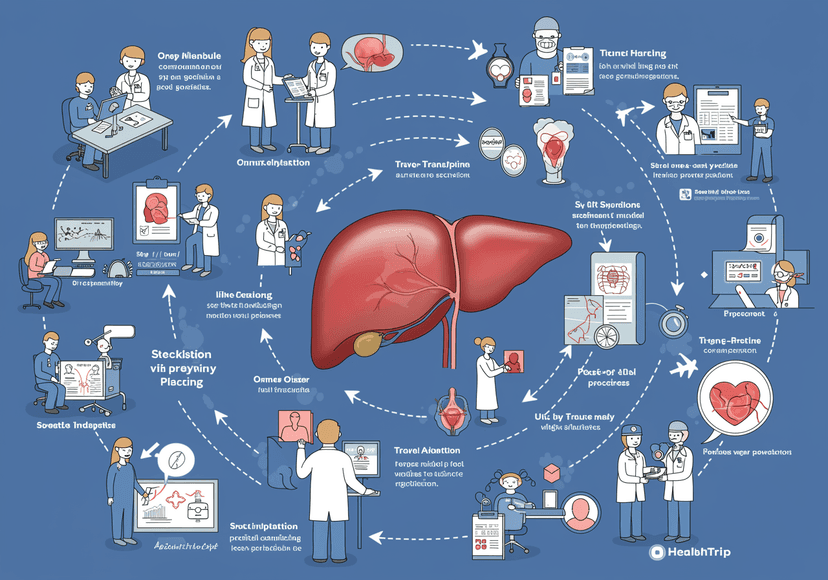
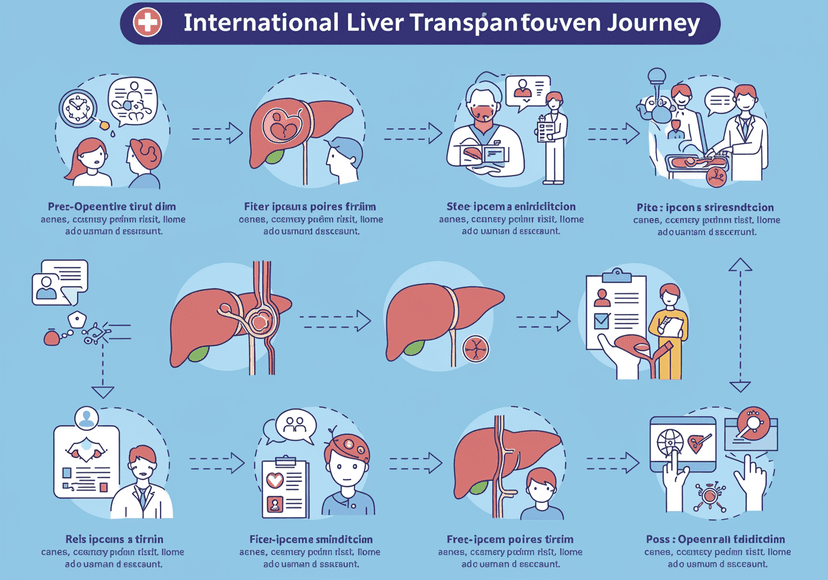
Votre parcours international de transplantation hépatique avec HealthTrip: Consultation à la reprise
Embarquez dans votre parcours international de transplantation hépatique avec HealthTrip. Nous
Votre parcours international de transplantation hépatique avec HealthTrip: Consultation à la reprise
Embarquez dans votre parcours international de transplantation hépatique avec HealthTrip. Nous

Comprendre les complications de la transplantation
Identifier et gérer les complications potentielles après une greffe.

Comprendre les médicaments de transplantation
Un guide des médicaments de transplantation, de leurs effets secondaires et de la gestion.

Vivre une vie saine après la transplantation
Conseils et stratégies pour maintenir un mode de vie sain après une greffe.

Vivre avec un organe transplanté
Gérer les médicaments, les soins de suivi et les changements de style de vie après un organe