Mésothéliome malin : le cancer de l'amiante
01 Oct, 2024
 Voyage santé
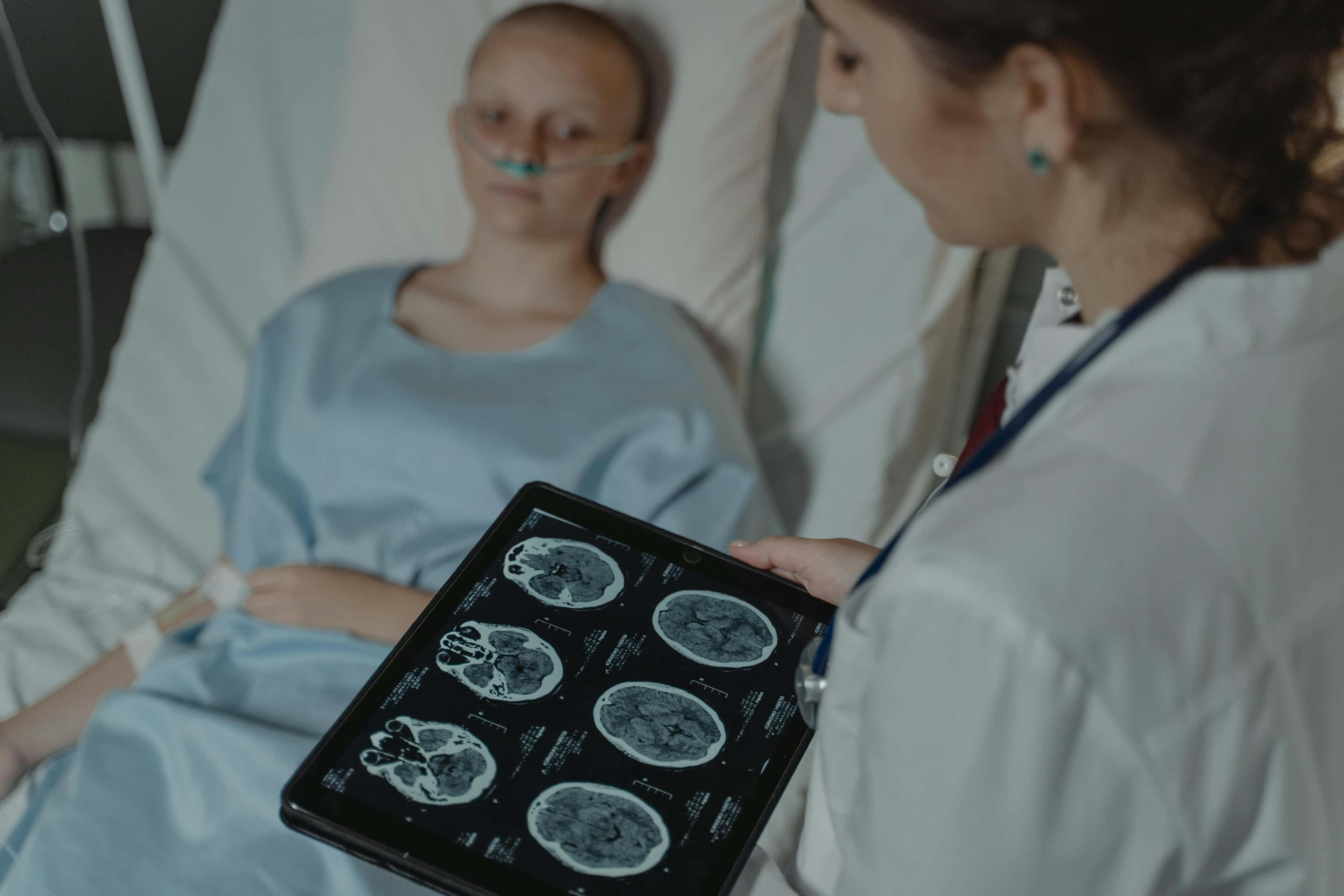
Imagine waking up one morning, feeling a little short of breath, and attributing it to a cold or allergies. But as the days go by, the symptoms persist and worsen, leaving you feeling exhausted, experiencing chest pains, and struggling to catch your breath. The diagnosis: malignant mesothelioma, a rare and aggressive form of cancer caused by exposure to asbestos. The news is devastating, and the journey ahead is daunting. But understanding this disease, its causes, symptoms, and treatment options can help individuals and their loved ones navigate this challenging time.
What is Malignant Mesothelioma?
Malignant mesothelioma is a type of cancer that affects the mesothelium, a thin layer of tissue that lines the lungs, abdomen, and heart. It is primarily caused by exposure to asbestos, a group of minerals that were once widely used in construction, automotive, and other industries. When asbestos fibers are inhaled or ingested, they can cause damage to the mesothelial cells, leading to the growth of cancerous tumors. The latency period between exposure and diagnosis can be 20-50 years, making it a silent killer that often goes undetected until it's too late.
Procédures les plus populaires dans Inde





The Role of Asbestos in Mesothelioma
Asbestos is the primary cause of malignant mesothelioma, and its use has been widespread throughout history. From insulation in buildings to brake pads in cars, asbestos was once considered a miracle material due to its durability and fire-resistance. However, its dangers were ignored or downplayed, leading to widespread exposure and a ticking time bomb of mesothelioma cases. Today, the use of asbestos is heavily regulated, but the legacy of past exposure continues to claim lives.

Soins de bien-être
Donnez-vous le temps de vous détendre
Prix les plus bas garantis !

Prix les plus bas garantis !
Symptoms and Diagnosis
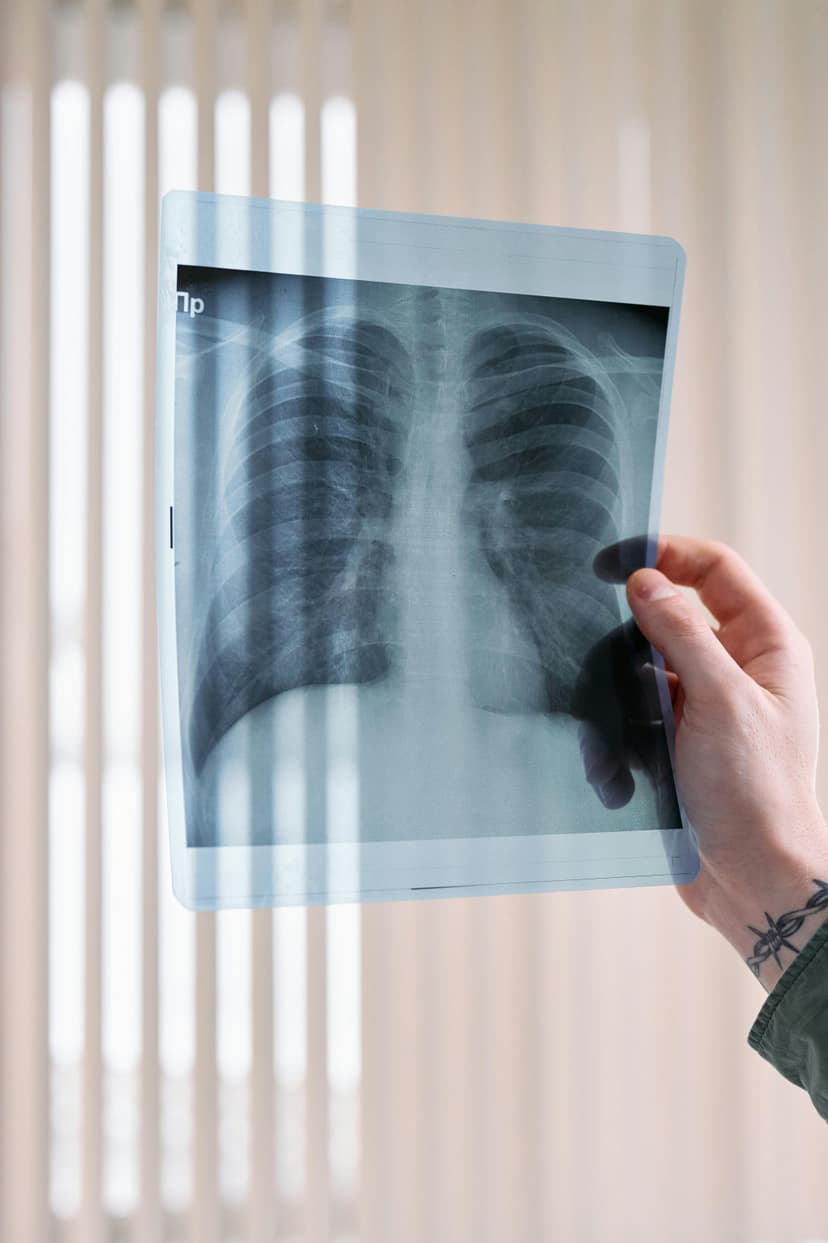
The symptoms of malignant mesothelioma can be vague and nonspecific, making it challenging to diagnose. They may include shortness of breath, chest pain, coughing, fatigue, and weight loss. In the early stages, these symptoms may be mistaken for other conditions, allowing the cancer to progress undetected. A diagnosis typically involves a combination of imaging tests, such as X-rays and CT scans, as well as biopsies to examine tissue samples. The earlier the diagnosis, the better the chances of effective treatment.
Stages of Mesothelioma
Malignant mesothelioma is typically classified into four stages, each corresponding to the extent of the tumor's growth and spread. Stage 1 is the most treatable, with the tumor localized to the mesothelial lining. Stages 2 and 3 indicate the tumor has spread to nearby tissues and organs, while stage 4 is the most advanced, with the cancer having metastasized to distant parts of the body. The stage of the disease plays a critical role in determining treatment options and prognosis.
Treatment Options
Treatment for malignant mesothelioma usually involves a combination of surgery, chemotherapy, and radiation therapy. Surgery may be used to remove the tumor and affected tissues, while chemotherapy and radiation therapy can help shrink the tumor and alleviate symptoms. In some cases, palliative care may be the primary focus, aiming to improve the patient's quality of life and manage pain. Clinical trials and emerging treatments, such as immunotherapy, offer hope for improving survival rates and finding a cure.
785 patients de Inde choisir ce forfait pour leur Forfait transplantation hépatique

The Importance of Support
A diagnosis of malignant mesothelioma can be overwhelming, leaving individuals and their loved ones feeling isolated and unsure of where to turn. Support groups, both online and in-person, can provide a vital lifeline, connecting people with others who understand their journey. Additionally, advocacy organizations and resources can help navigate the complex healthcare system and provide access to critical information and services.
Prevention and Awareness
Preventing malignant mesothelioma requires a multifaceted approach. Individuals who work with asbestos-containing materials must take proper safety precautions, including wearing protective gear and following strict safety protocols. Governments and industries must also take responsibility for regulating the use of asbestos and providing safe working conditions. Raising awareness about the dangers of asbestos and the importance of early detection can help reduce the incidence of this devastating disease.
As the journey with malignant mesothelioma unfolds, it's essential to remember that knowledge is power. By understanding the causes, symptoms, and treatment options, individuals and their loved ones can take control of their health and make informed decisions. With awareness, support, and advocacy, we can work towards a future where this disease is a relic of the past.
Forfaits bien-être les plus populaires





Blogs associés
Chimiothérapie pour le traitement du cancer du poumon
Découvrez le rôle de la chimiothérapie dans le traitement du cancer du poumon
Traitement Cyberknife pour le cancer du poumon
Explorer comment la cybernfife est utilisée pour traiter le cancer du poumon avec
Traitement de la vie après le cancer du poumon
Naviguer dans le processus de récupération et vivre une vie saine après
La force invisible : l'impact du cancer du poumon sur les familles
Le cancer du poumon est un type de cancer qui affecte le

Cancer du poumon
En savoir plus sur le cancer du poumon, y compris les symptômes, les étapes, les causes, le diagnostic, le traitement

Choix alimentaires pour les patients atteints d'un cancer du poumon aux Émirats arabes unis
Le cancer du poumon constitue un problème de santé majeur à l'échelle mondiale, y compris dans