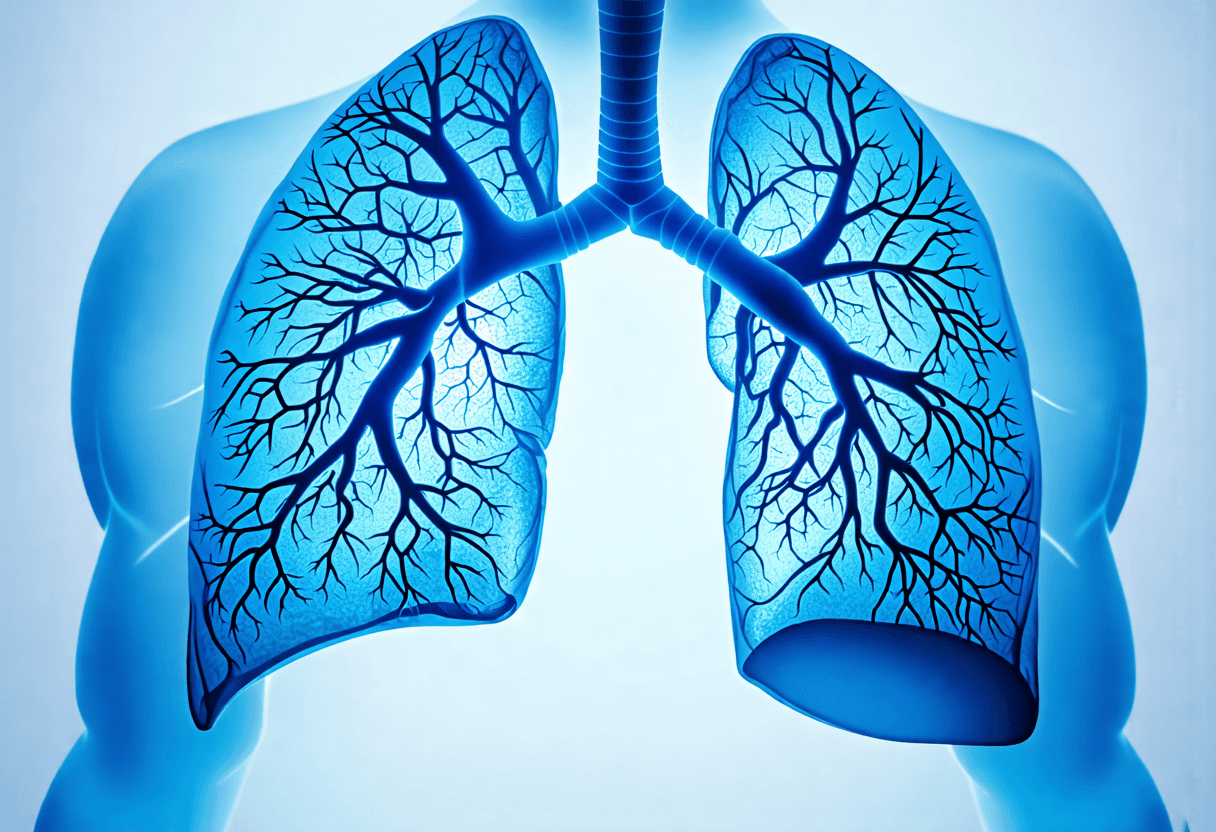
Complications d'une transplantation pulmonaire : ce qu'il faut surveiller
13 Oct, 2024
 Voyage santé
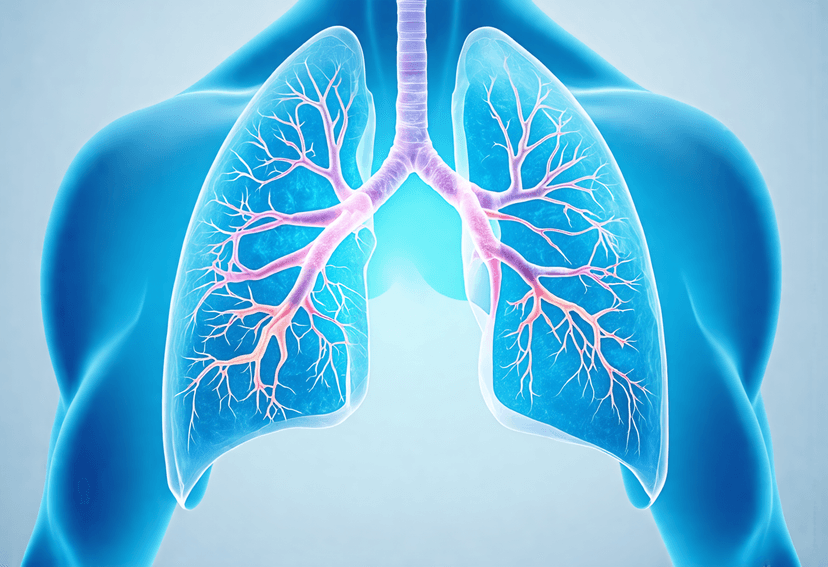
Receiving a lung transplant can be a life-changing event, offering a new lease on life for individuals suffering from severe lung diseases. However, as with any major surgical procedure, there are potential complications that can arise. It's essential for patients to be aware of these potential risks to ensure timely medical attention and optimal recovery. In this blog, we'll delve into the common lung transplant complications, their symptoms, and what to do if you experience them.
Early Complications (0-6 months post-transplant)
During the initial months following a lung transplant, patients are at a higher risk of developing complications. These early complications can be severe and may require immediate medical attention.
Procédures les plus populaires dans Inde



Rejection
One of the most significant concerns during the early stages is rejection. When the body rejects the transplanted lung, it can lead to severe consequences. Symptoms of rejection may include shortness of breath, coughing, fatigue, and fever. It's crucial to seek medical attention promptly if you experience any of these symptoms, as timely treatment can help prevent further damage.
Infections
Infections are a common complication during the early post-transplant period. Bacterial, viral, and fungal infections can occur, and it's essential to monitor for signs of infection, such as fever, chills, or coughing up yellow or green mucus. Patients should practice good hygiene, avoid crowded areas, and seek medical attention if they suspect an infection.

Soins de bien-être
Donnez-vous le temps de vous détendre
Prix les plus bas garantis !

Prix les plus bas garantis !
Long-term Complications (6 months-1 year post-transplant)
As patients progress beyond the initial recovery period, they may encounter long-term complications that can impact their quality of life.
Chronic Rejection
Chronic rejection, also known as bronchiolitis obliterans syndrome (BOS), is a common long-term complication. It occurs when the transplanted lung gradually deteriorates, leading to breathing difficulties and coughing. Symptoms may develop slowly, making it essential to attend regular follow-up appointments to monitor lung function.
Cardiovascular Disease
Lung transplant patients are at a higher risk of developing cardiovascular disease, including high blood pressure, heart failure, and stroke. Maintaining a healthy lifestyle, including a balanced diet, regular exercise, and stress management, can help mitigate this risk.
665 patients de Inde choisir ce forfait pour leur Forfait transplantation hépatique

Lifestyle Changes and Prevention
To minimize the risk of complications, lung transplant patients must adopt a healthy lifestyle and adhere to their treatment plan.
Medication Adherence
Taking immunosuppressive medications as prescribed is crucial to prevent rejection. Patients should establish a routine to ensure they take their medications at the same time every day and avoid missing doses.
Lifestyle Modifications
Maintaining a healthy weight, exercising regularly, and eating a balanced diet can help reduce the risk of long-term complications. Patients should also avoid smoking and secondhand smoke, as they can damage the transplanted lung.
Conclusion
While lung transplant complications can be alarming, being aware of the potential risks and taking proactive steps can help minimize their impact. By attending regular follow-up appointments, adhering to medication regimens, and adopting a healthy lifestyle, patients can optimize their recovery and enjoy a better quality of life. Remember, it's essential to communicate openly with your healthcare team about any concerns or symptoms, ensuring timely medical attention and the best possible outcome.
Forfaits bien-être les plus populaires





Blogs associés
Comprendre les complications du VP Shunt
Découvrez les complications potentielles de la chirurgie de shunt VP et

Les risques et complications de la fusion interbody lombaire transforaminale (TLIF)
Renseignez-vous sur les risques et complications associés au lombaire transforaminal

Chirurgie de la coiffe des rotateurs : comprendre les risques et les complications
Ce qu'il faut savoir sur les risques et complications potentiels

Au-delà des bases: comprendre et préparer des complications potentielles de remplacement du genou
Comprendre les risques et complications potentiels de la chirurgie de remplacement du genou

Complications de chirurgie de l'annexe: que faire attention
Complications courantes qui peuvent résulter de la chirurgie de l'appendice, y compris l'infection
Transplantation pulmonaire et ostéoporose: que savoir
Découvrez le risque d'ostéoporose après une greffe pulmonaire,