Cicatrices de transplantation de cheveux: ce que vous devez savoir
01 Nov, 2024
 Voyage santé
When it comes to hair restoration, hair transplantation is often considered the most effective and long-lasting solution. However, like any surgical procedure, it comes with some potential drawbacks, including scarring. The thought of scarring can be daunting, but it's essential to understand that hair transplant scars are a natural part of the process. In this article, we'll delve into the world of hair transplant scars, exploring what they are, how they're formed, and what you can expect during the healing process.
What are Hair Transplant Scars?
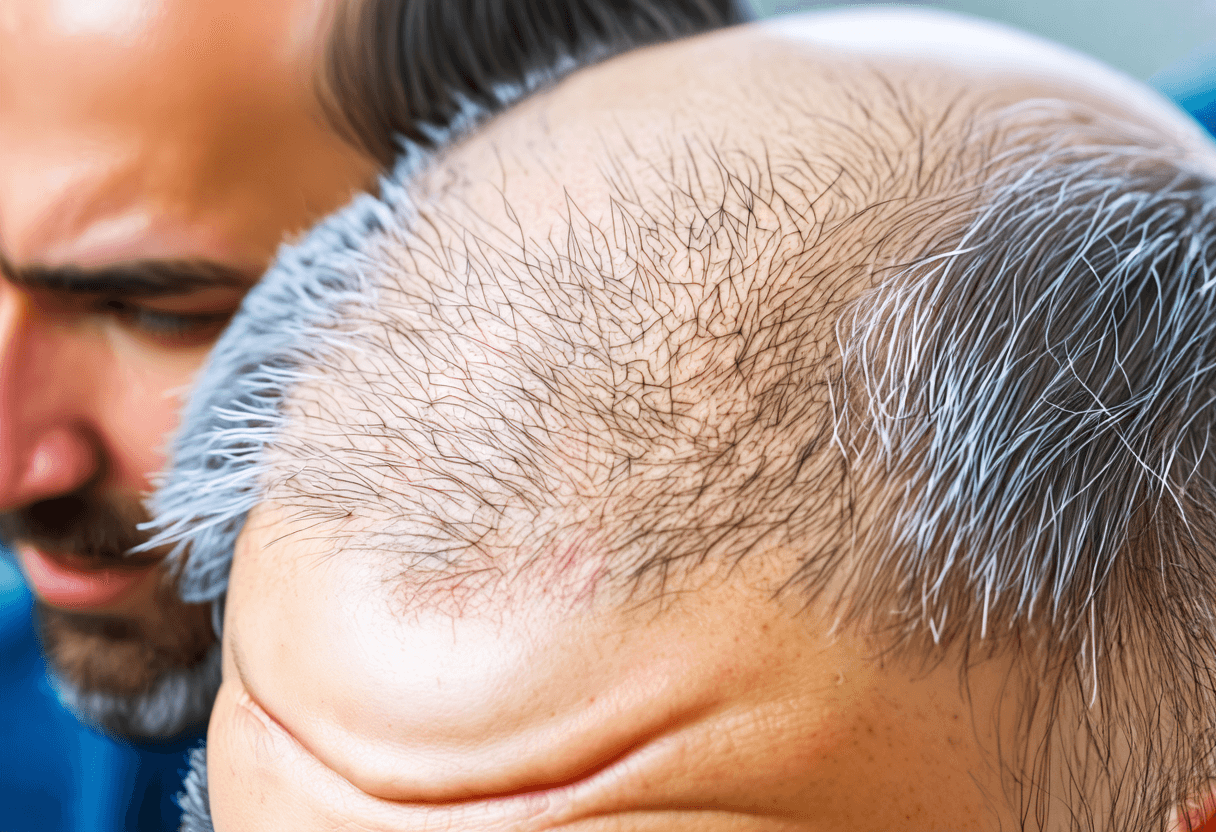
Hair transplant scars are the result of the surgical incisions made during a hair transplantation procedure. There are two primary methods of hair transplantation: Follicular Unit Transplantation (FUT) and Follicular Unit Extraction (FUE). Both methods involve extracting hair follicles from the back and sides of the head and transplanting them to the balding areas. The difference lies in how the follicles are extracted. FUT involves removing a strip of hair-bearing skin, which is then dissected into individual follicles, while FUE involves extracting individual follicles directly from the scalp.
Procédures les plus populaires dans Inde

In both cases, the extraction process leaves behind small scars, which can vary in size and shape depending on the individual's skin type, hair density, and the skill of the surgeon. The scars can appear as small dots, lines, or even a series of small circles. While they may seem unsightly at first, hair transplant scars can fade significantly over time, becoming almost imperceptible.
Types of Hair Transplant Scars
There are two primary types of hair transplant scars: linear scars and dot scars. Linear scars are typically associated with FUT, where a strip of hair-bearing skin is removed, leaving behind a linear scar. Dot scars, on the other hand, are characteristic of FUE, where individual follicles are extracted, resulting in small, round scars.

Soins de bien-être
Donnez-vous le temps de vous détendre
Prix les plus bas garantis !

Prix les plus bas garantis !
Linear scars are usually more noticeable, especially in the early stages of the healing process. However, with proper care and attention, they can fade significantly over time. Dot scars, being smaller and more dispersed, tend to be less noticeable and often blend in with the surrounding hair.
The Healing Process
The healing process for hair transplant scars is relatively straightforward. Immediately after the procedure, the scars may appear red, swollen, and tender. This is a normal part of the healing process, and with proper care, the scars will begin to fade and flatten over time.
In the first few days, it's essential to keep the scars clean and dry to prevent infection. Your surgeon may recommend applying antibiotic ointment and covering the scars with a bandage. As the scars begin to heal, you can gradually introduce gentle hair care products and styling techniques to promote healthy hair growth.
During the first few weeks, it's not uncommon to experience some discomfort, itching, or tightness around the scar area. This is usually due to the natural healing process and can be managed with over-the-counter pain medication or topical creams. As the scars mature, these symptoms will subside, and the scars will begin to fade.
718 patients de Inde choisir ce forfait pour leur Forfait transplantation hépatique

Minimizing Hair Transplant Scars
While hair transplant scars are an inevitable part of the procedure, there are steps you can take to minimize their appearance. Working with an experienced surgeon who has a keen eye for aesthetics can make a significant difference. They will carefully plan the incisions to ensure that the scars are as small and discreet as possible.
In addition, following a proper post-operative care routine can help promote healthy healing and minimize the appearance of scars. This includes keeping the scars clean and dry, avoiding excessive sun exposure, and using gentle hair care products.
Conclusion
Hair transplant scars are a natural part of the hair restoration process. While they may seem daunting at first, they can be managed and minimized with proper care and attention. By understanding the types of scars, the healing process, and the steps to minimize their appearance, you can feel more confident and informed about your hair transplantation journey. At Healthtrip, we understand the importance of aesthetics and work with experienced surgeons to provide personalized hair restoration solutions that cater to your unique needs and goals.
Remember, hair transplantation is a journey, and the results are well worth the temporary discomfort and scarring. With patience, care, and the right guidance, you can achieve a fuller, healthier head of hair that boosts your confidence and transforms your life.
Forfaits bien-être les plus populaires





Blogs associés
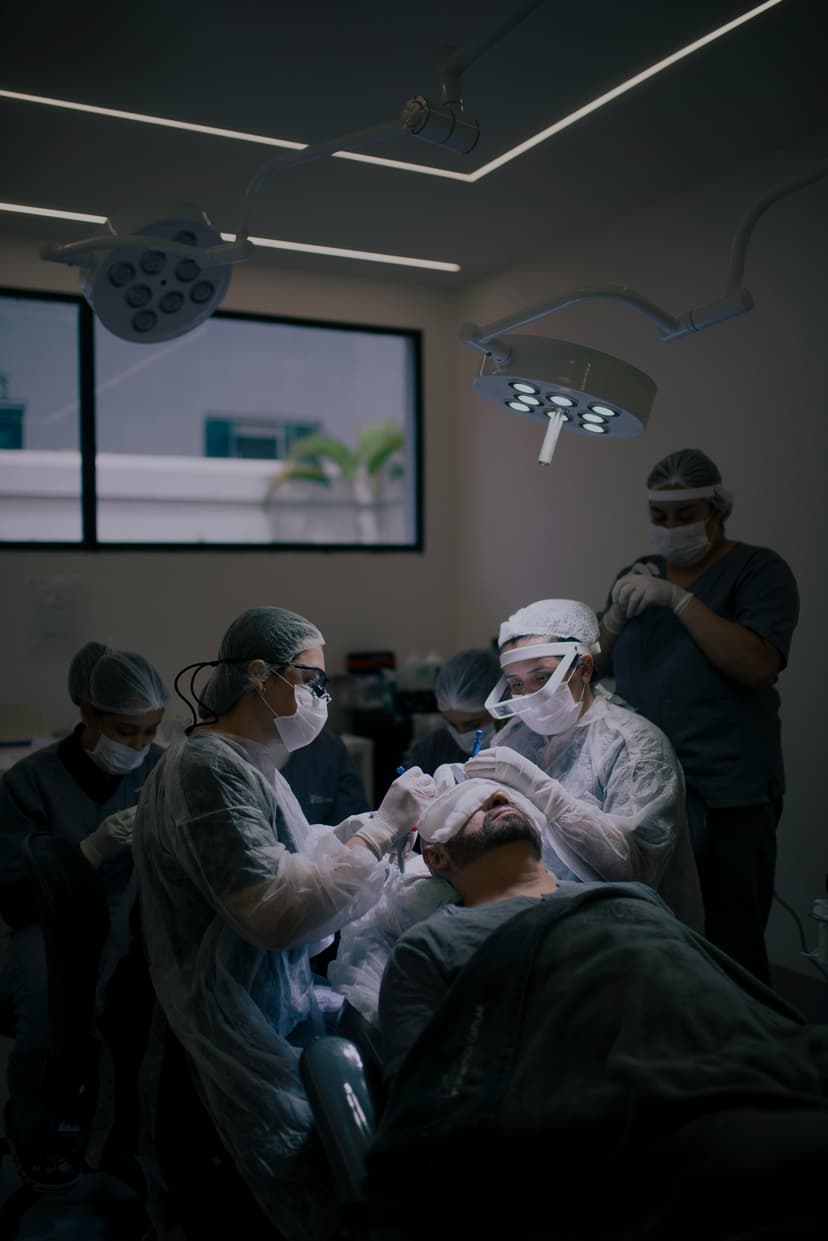
Meilleurs hôpitaux en Inde pour la greffe de cheveux
Obtenez la meilleure greffe de cheveux en Inde dans les meilleurs hôpitaux

La psychologie de la greffe de cheveux: renforcer la confiance
Déverrouiller les avantages émotionnels de la greffe de cheveux et transformer votre
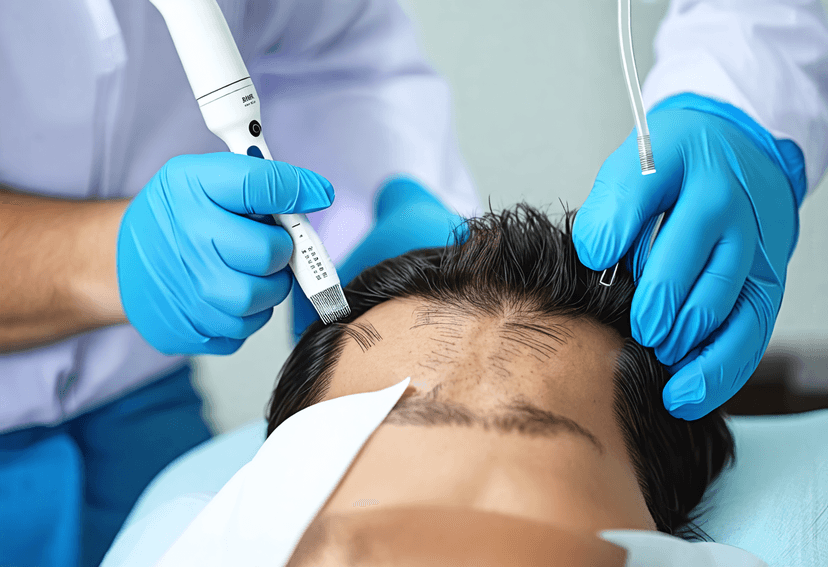
Récupération de transplantation de cheveux: à quoi s'attendre
Planifiez un rétablissement en douceur avec nos conseils d'experts
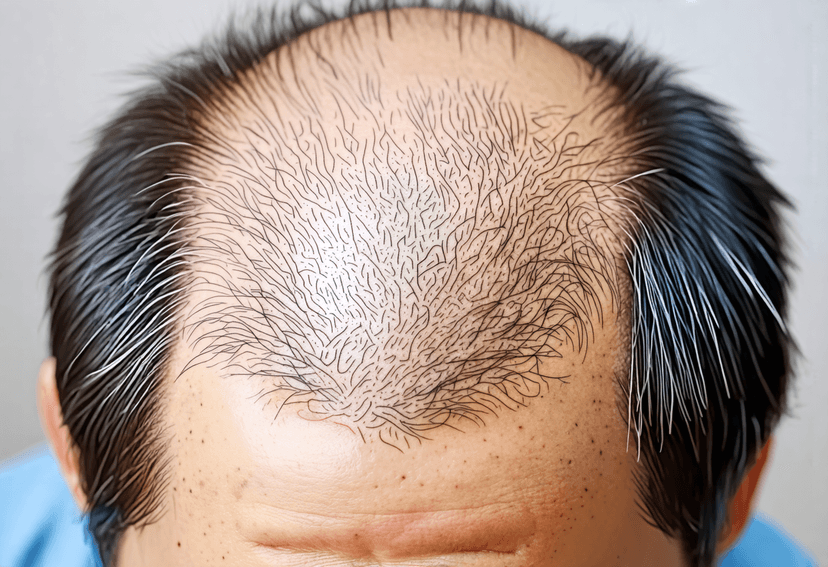
Greffe de cheveux pour l'alopécie : un espoir pour les sans poils
Trouvez l'espoir et les solutions pour la perte de cheveux en raison de l'alopécie

L'avenir de la greffe de cheveux: tendances émergentes
Restez en avance sur la courbe avec les dernières avancées dans
Erreurs courantes de greffe de cheveux à éviter
Évitez les pièges communs et assurez-vous un cheveux réussi