De la chirurgie à la guérison : craniotomie pour un accident vasculaire cérébral
17 Nov, 2024
 Voyage santé
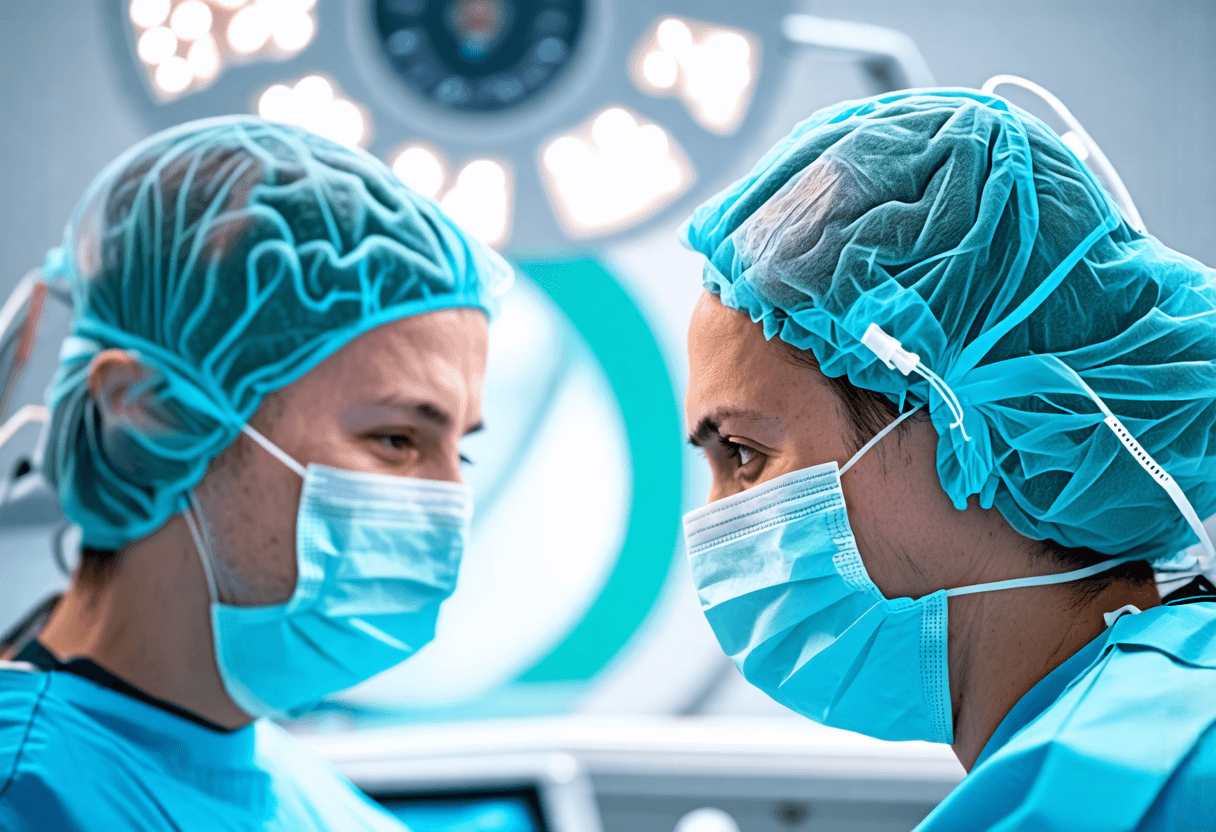
When a loved one suffers a brain stroke, it can be a life-altering experience for the entire family. The suddenness and severity of the event can leave everyone feeling overwhelmed, scared, and unsure of what the future holds. In many cases, a craniotomy, a surgical procedure to remove a portion of the skull to access the brain, may be necessary to alleviate pressure and prevent further damage. As a caregiver, it's natural to feel anxious about the road to recovery, but understanding the process and what to expect can help alleviate some of that uncertainty.
The Road to Recovery Begins
After a craniotomy, the road to recovery can be long and arduous, but with the right support and care, it's possible for patients to regain their strength and independence. Immediately following surgery, patients are closely monitored in the intensive care unit (ICU) to ensure they're stable and responding well to treatment. This is a critical period, as it allows medical professionals to catch any potential complications early and take corrective action. As patients begin to stabilize, they're gradually transitioned to a regular hospital room, where they'll continue to receive round-the-clock care and rehabilitation therapy.
Procédures les plus populaires dans Inde


The Importance of Rehabilitation
Rehabilitation is a crucial aspect of the recovery process, as it helps patients regain their physical and cognitive abilities. A team of specialists, including physical therapists, occupational therapists, and speech therapists, work together to create a customized rehabilitation plan tailored to the patient's specific needs. This may involve exercises to improve mobility, strength, and coordination, as well as strategies to enhance cognitive function and communication skills. In some cases, patients may also require speech therapy to regain their ability to express themselves effectively.

Soins de bien-être
Donnez-vous le temps de vous détendre
Prix les plus bas garantis !

Prix les plus bas garantis !
Navigating the Emotional Rollercoaster
The road to recovery can be emotionally challenging, not just for the patient, but also for their loved ones. It's common to experience a range of emotions, from fear and anxiety to frustration and anger. As a caregiver, it's essential to acknowledge these feelings and seek support when needed. This may involve talking to a therapist, joining a support group, or simply leaning on friends and family for emotional support. Remember, you're not alone in this journey, and seeking help is a sign of strength, not weakness.
The Role of Caregivers
As a caregiver, your role is multifaceted. You're not only providing emotional support, but also helping your loved one with daily tasks, such as bathing, dressing, and managing medications. This can be overwhelming, especially if you're not familiar with the medical system or the specific needs of your loved one. That's why it's essential to communicate openly with the medical team, ask questions, and seek guidance when needed. Don't be afraid to ask for help, whether it's from a family member, friend, or professional caregiver.
665 patients de Inde choisir ce forfait pour leur Forfait transplantation hépatique
Seeking Support Abroad
In some cases, patients may need to seek medical treatment abroad, especially if they require specialized care or expertise not available in their home country. This can be a daunting experience, especially when navigating unfamiliar healthcare systems and languages. That's where Healthtrip comes in – a platform that connects patients with top medical providers and facilitates the entire process, from initial consultation to post-operative care. With Healthtrip, patients can access world-class medical treatment, while also receiving personalized support and guidance every step of the way.
A Seamless Experience
Healthtrip understands the complexities of seeking medical treatment abroad and has streamlined the process to ensure a seamless experience for patients and their loved ones. From arranging travel and accommodation to coordinating with medical providers, Healthtrip's dedicated team takes care of every detail, allowing patients to focus on their recovery. With a network of top hospitals and medical professionals, patients can rest assured they're receiving the best possible care, while also enjoying a stress-free experience.
Conclusion
The road to recovery after a craniotomy can be long and challenging, but with the right support and care, it's possible for patients to regain their strength and independence. As a caregiver, it's essential to prioritize your own emotional well-being, while also providing love, support, and encouragement to your loved one. By understanding the process, seeking support when needed, and considering options like Healthtrip, you can help your loved one navigate the journey to recovery with confidence and hope.
Forfaits bien-être les plus populaires





Blogs associés

Brincer le coût de la neuro-chirurgie en Inde via HealthTrip
Obtenez des détails complets sur la chirurgie neuro en Inde avec HealthTrip.
Obtenez un deuxième avis pour la chirurgie neuro des experts en santé
Obtenez des détails complets sur la chirurgie neuro en Inde avec HealthTrip.
Abordable vs Premium: Options de chirurgie neuro avec HealthTrip
Obtenez des détails complets sur la chirurgie neuro en Inde avec HealthTrip.

Navigation de neuro chirurgie en Inde avec HealthTrip: un guide étape par étape
Obtenez des détails complets sur la chirurgie neuro en Inde avec HealthTrip.
Votre liste de contrôle des voyages médicaux pour la chirurgie neuro avec HealthTrip
Obtenez des détails complets sur la chirurgie neuro en Inde avec HealthTrip.
De vraies revues de patients de la neuro chirurgie via HealthTrip
Obtenez des détails complets sur la chirurgie neuro en Inde avec HealthTrip.