Épilepsie chez les enfants: ce que les parents doivent savoir
03 Nov, 2024
 Voyage santé
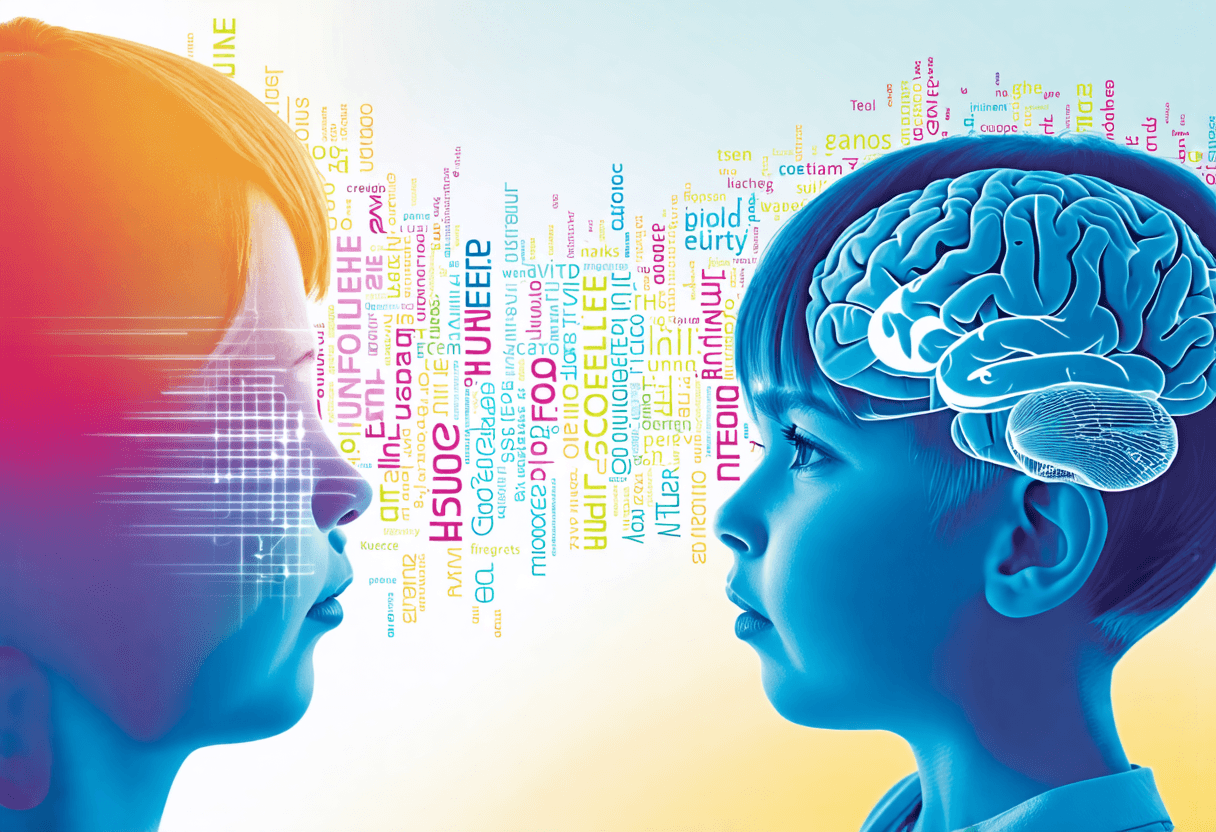
As a parent, there's nothing more frightening than seeing your child suffer from a medical condition that you don't fully understand. Epilepsy, a neurological disorder characterized by recurring seizures, can be particularly daunting. According to the World Health Organization (WHO), epilepsy affects approximately 50 million people worldwide, with nearly 80% of them being children. If your child has been diagnosed with epilepsy, it's essential to educate yourself on the condition to provide the necessary care and support. Healthtrip, a leading medical tourism platform, understands the importance of awareness and is committed to providing access to quality medical care for children with epilepsy.
What is Epilepsy?
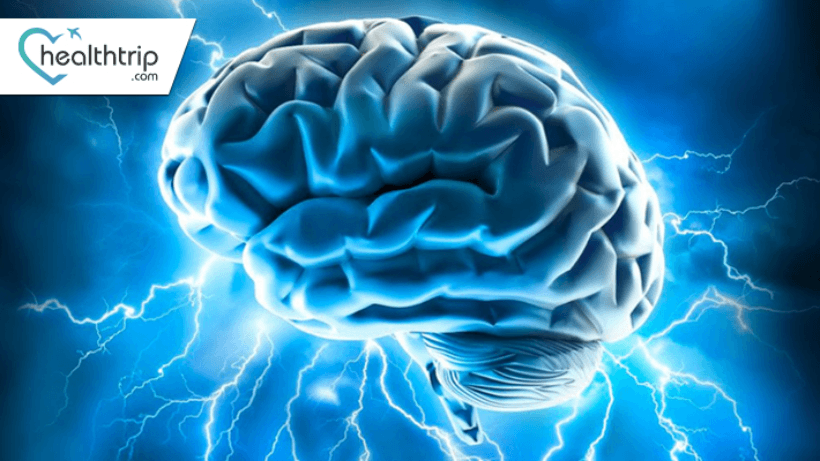
Epilepsy is a chronic condition characterized by recurring seizures, which are episodes of abnormal brain activity that can affect a child's behavior, movement, and sensations. Seizures can vary in severity, frequency, and type, and may be triggered by various factors such as genetics, head injuries, infections, or certain medical conditions. In children, epilepsy can affect their cognitive development, social skills, and overall quality of life. It's crucial to recognize the signs and symptoms of epilepsy to ensure prompt medical attention and proper treatment.
Procédures les plus populaires dans Inde




Types of Seizures in Children
There are several types of seizures that can affect children, including:
- Tonic seizures: characterized by stiffness of the body, often resulting in falls

Soins de bien-être
Donnez-vous le temps de vous détendre
Prix les plus bas garantis !

Prix les plus bas garantis !
- Atonic seizures: marked by a sudden loss of muscle tone, leading to falls or drops
- Clonic seizures: involving rhythmic muscle contractions, often affecting the face, arms, or legs
- Tonic-clonic seizures: a combination of tonic and clonic seizures, often the most common type
- Absence seizures: characterized by brief periods of staring, often mistaken for daydreaming
785 patients de Inde choisir ce forfait pour leur Forfait transplantation hépatique

- Partial seizures: affecting only one part of the brain, often causing strange sensations or movements
It's essential to recognize the type of seizure your child is experiencing to provide appropriate first aid and medical care.
Symptoms and Diagnosis
The symptoms of epilepsy in children can vary depending on the type of seizure, age, and individual factors. Common symptoms include:
- Seizures, which can be subtle or dramatic
- Confusion or disorientation after a seizure
- Fatigue or sleepiness after a seizure
- Headaches or dizziness
- Difficulty speaking or understanding language
A diagnosis of epilepsy typically involves a combination of medical history, physical examination, and diagnostic tests such as:
- Electroencephalogram (EEG): measures electrical activity in the brain
- Magnetic Resonance Imaging (MRI): provides detailed images of the brain structure
- Blood tests: to rule out underlying medical conditions
A comprehensive diagnosis is crucial to develop an effective treatment plan and improve your child's quality of life.
Treatment and Management
Treatment for epilepsy in children typically involves a combination of medications, lifestyle changes, and alternative therapies. Medications can help control seizures, while lifestyle changes such as:
- Maintaining a regular sleep schedule
- Avoiding triggers such as stress or fatigue
- Eating a balanced diet
- Engaging in regular exercise
can help reduce seizure frequency and severity. Alternative therapies like ketogenic diets, acupuncture, and yoga may also be beneficial in managing epilepsy.
In some cases, surgery may be necessary to remove the affected brain tissue or implant a device to regulate brain activity. Healthtrip's network of medical professionals and facilities can provide access to advanced treatments and surgeries for children with epilepsy.
Coping with Epilepsy as a Family
Living with epilepsy can be challenging for the entire family, not just the child affected. It's essential to:
- Educate yourself and your child about epilepsy
- Encourage open communication and emotional support
- Develop a seizure action plan with your child's healthcare provider
- Focus on your child's abilities and strengths, rather than limitations
- Seek support from family, friends, and support groups
By working together as a family, you can help your child with epilepsy thrive and live a fulfilling life.
Conclusion
Epilepsy in children can be a daunting diagnosis, but with the right education, support, and medical care, it's possible to manage the condition and improve your child's quality of life. Healthtrip is committed to providing access to quality medical care and supporting families affected by epilepsy. By working together, we can help children with epilepsy live happy, healthy, and fulfilling lives.