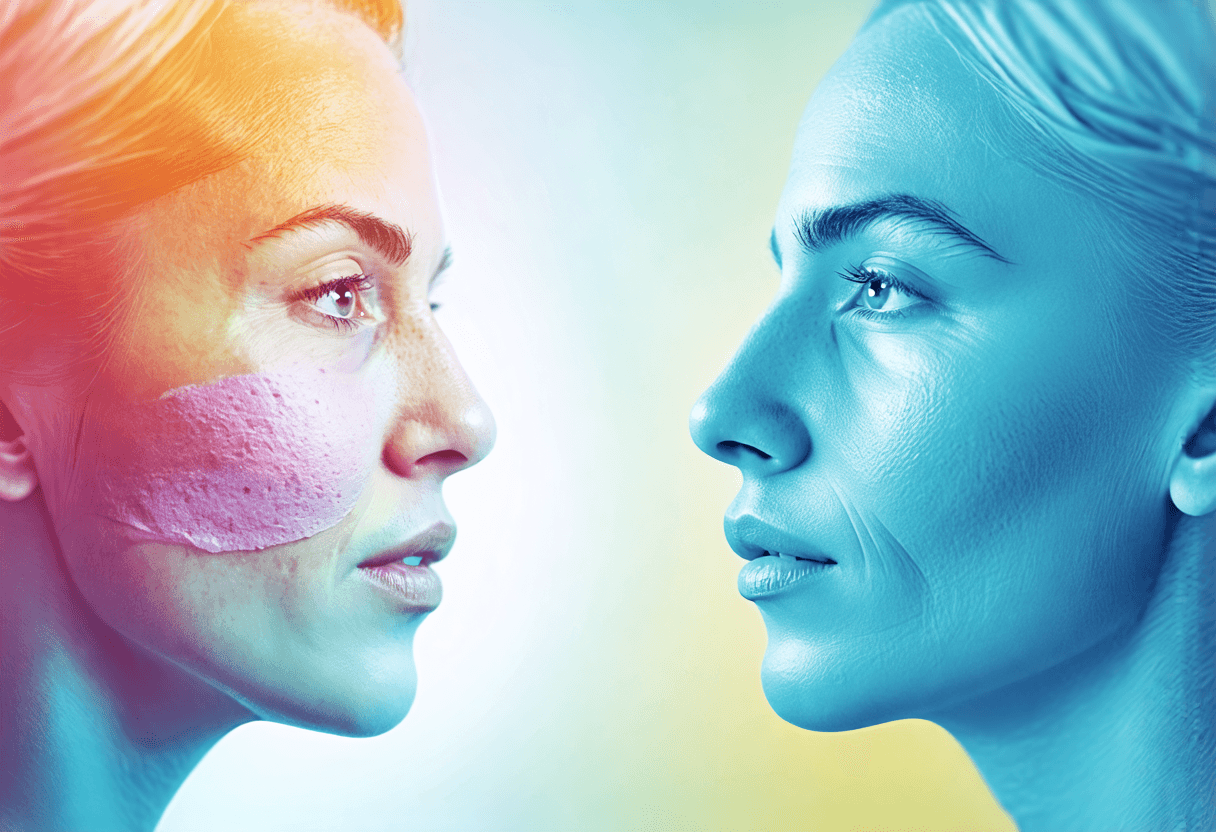
Chimiothérapie et changements cutanés
21 Oct, 2024
 Voyage santé
When we think of cancer treatment, we often focus on the battle against the disease itself, but what about the side effects that come with it? Chemotherapy, a common treatment for cancer, can bring about a range of changes to the skin, leaving patients feeling self-conscious and unsure of how to cope. As we navigate the complex journey of health and wellness, it's essential to shed light on the skin changes that can occur during chemotherapy and explore ways to manage them.
Understanding Chemotherapy-Induced Skin Changes
Chemotherapy works by killing rapidly dividing cancer cells, but it can also affect healthy cells, including skin cells. This can lead to a range of skin changes, from mild to severe, which can be distressing for patients. The type and severity of skin changes depend on the type of chemotherapy, the dose, and individual patient factors. Some common skin changes associated with chemotherapy include dryness, itchiness, redness, and increased sensitivity. In more severe cases, patients may experience skin rashes, blistering, or even skin peeling.
The Emotional Toll of Skin Changes
Beyond the physical discomfort, skin changes can have a profound emotional impact on patients. Feeling self-conscious about their appearance can lead to anxiety, depression, and a loss of confidence. It's essential to acknowledge the emotional toll of skin changes and provide support to patients as they navigate this challenging time. By doing so, we can help them feel more empowered and in control of their bodies.
Managing Skin Changes During Chemotherapy
While skin changes can be a daunting aspect of chemotherapy, there are steps patients can take to manage them. Keeping the skin moisturized is crucial, as dryness can exacerbate skin irritation. Gentle, fragrance-free cleansers and moisturizers can help soothe and hydrate the skin. Patients should also avoid harsh exfoliants, tight clothing, and extreme temperatures, which can further irritate the skin. In some cases, medications may be prescribed to alleviate skin symptoms, such as antihistamines for itchiness or topical corticosteroids for inflammation.
Natural Remedies for Skin Care
In addition to conventional treatments, natural remedies can provide relief from skin changes. Aloe vera, known for its soothing properties, can be applied topically to calm irritated skin. Oatmeal baths, rich in antioxidants and anti-inflammatory compounds, can help reduce itchiness and inflammation. Patients can also try incorporating omega-3 rich foods, such as salmon and walnuts, into their diet, as these fatty acids have anti-inflammatory properties that can benefit the skin.
Supporting Patients Through Skin Changes
As we strive to provide comprehensive care for patients undergoing chemotherapy, it's essential to address the often-overlooked issue of skin changes. By acknowledging the physical and emotional impact of skin changes, we can provide patients with the support and resources they need to navigate this challenging time. Healthcare providers, family, and friends can play a vital role in offering emotional support, helping patients feel less isolated and more empowered to take control of their skin health.
Ultimately, as we journey through the complexities of health and wellness, it's crucial to recognize the intricate connection between our physical and emotional well-being. By shedding light on the skin changes associated with chemotherapy, we can work towards a more holistic approach to cancer care, one that prioritizes the whole person, not just the disease.
Procédures les plus populaires dans Inde






Soins de bien-être
Donnez-vous le temps de vous détendre
Prix les plus bas garantis !

Prix les plus bas garantis !
606 patients de Inde choisir ce forfait pour leur Forfait transplantation hépatique
Forfaits bien-être les plus populaires





Blogs associés
Guide de la santé: Basavatarakam Indo American Cancer Hospital & Research Institute
Explorez Basavatarakam Indo American Cancer Hospital & Research Institute avec
Guide de la santé: Basavatarakam Indo American Cancer Hospital & Research Institute
Explorez Basavatarakam Indo American Cancer Hospital & Research Institute avec
Soins complets du cancer à Kolkata
Obtenez un traitement contre le cancer de classe mondiale au HCG Cancer Center, New Town,

Découvrez l'avenir des soins de santé dans les hôpitaux de Yashoda Hipec City
Découvrez des soins médicaux de classe mondiale aux hôpitaux de Yashoda Hipec City, un

Le rôle de la chirurgie dans le cancer du pancréas
Comprendre l'importance de la chirurgie dans le traitement du cancer du pancréas

Options de traitement du cancer du pancréas
Soyez informé des différentes options de traitement pour le cancer du pancréas