Étapes du cancer du sein
24 Oct, 2024
 Voyage santé
Imagine being on a journey, where every step you take brings you closer to reclaiming your health and wellness. A journey that requires courage, resilience, and the right guidance. For individuals diagnosed with breast cancer, this journey can be overwhelming, but with the right information and support, it can be navigated with confidence. In this blog, we will delve into the world of breast cancer stages, exploring what each stage means, and how HealthTrip can be your trusted companion every step of the way.
Understanding Breast Cancer Stages
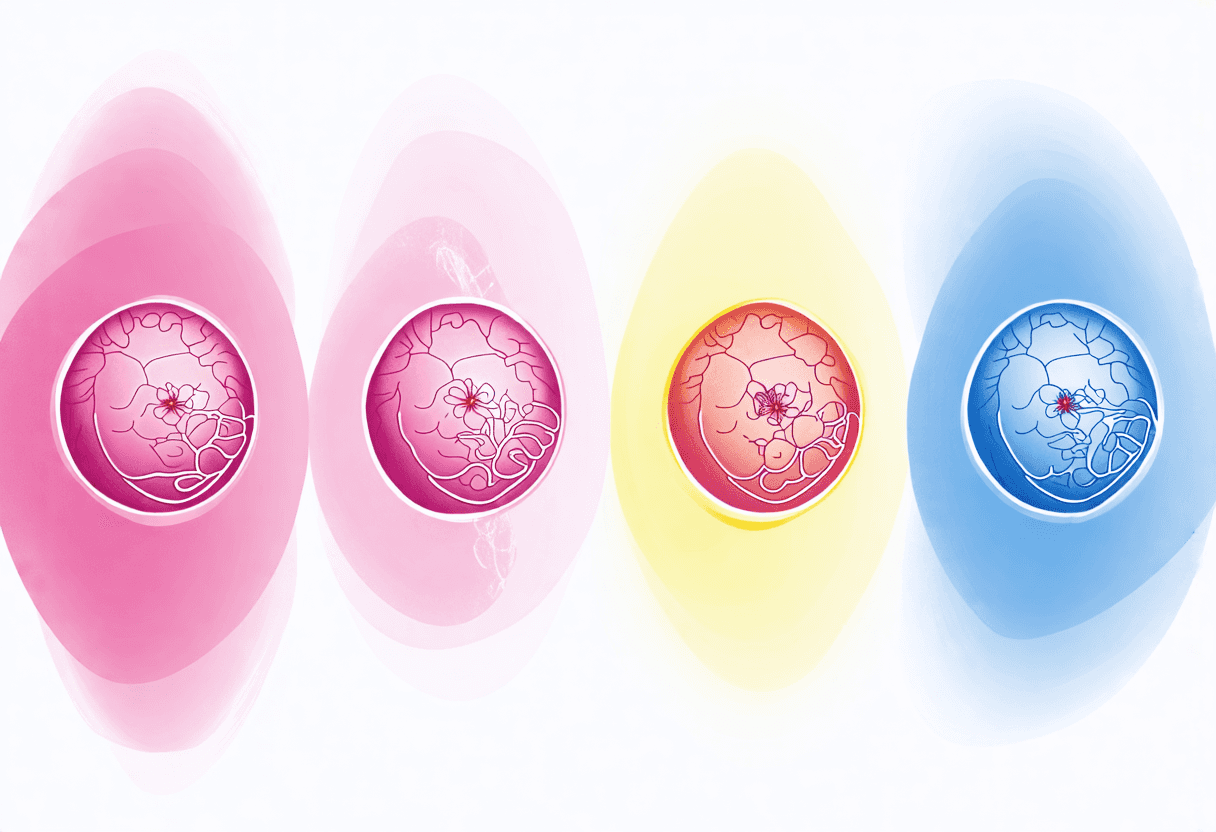
Breast cancer staging is a critical component in determining the best course of treatment for an individual. The most commonly used system for staging breast cancer is the TNM system, which takes into account three key factors: the size of the tumor (T), the spread of cancer to lymph nodes (N), and the presence of metastasis (M) or the spread of cancer to other parts of the body. By combining these factors, doctors can assign a stage to the cancer, ranging from Stage 0 to Stage IV.
Procédures les plus populaires dans Inde


Stage 0: The Beginning of the Journey
At this stage, the cancer is non-invasive, meaning it has not spread to surrounding tissues. Also known as carcinoma in situ, Stage 0 breast cancer requires immediate attention, but the prognosis is excellent, with a 5-year survival rate of nearly 100%. Treatment usually involves a lumpectomy or mastectomy, followed by radiation therapy.

Soins de bien-être
Donnez-vous le temps de vous détendre
Prix les plus bas garantis !

Prix les plus bas garantis !
Navigating the Stages of Breast Cancer
As the cancer progresses, the stages become more complex, and the treatment options more diverse. Stage I and Stage II breast cancer are considered early stages, where the cancer is confined to the breast tissue or has spread to nearby lymph nodes. Treatment for these stages typically involves a combination of surgery, chemotherapy, and radiation therapy. The 5-year survival rate for Stage I is around 100%, while for Stage II, it's approximately 93%.
Stage III: A Critical Turning Point
At this stage, the cancer has spread to the chest wall, skin, or lymph nodes, and the 5-year survival rate drops to around 72%. Treatment becomes more aggressive, often involving a combination of surgery, chemotherapy, radiation therapy, and hormone therapy. The goal is to control the growth of the cancer and alleviate symptoms.
The Final Stage: Stage IV Breast Cancer
At this stage, the cancer has metastasized to other parts of the body, such as the bones, liver, lungs, or brain. The 5-year survival rate for Stage IV breast cancer is around 22%. While the prognosis is grim, treatment can still improve the quality of life and extend survival time. Palliative care becomes a crucial aspect, focusing on managing pain, symptoms, and stress.
638 patients de Inde choisir ce forfait pour leur Forfait transplantation hépatique

How HealthTrip Can Help
Throughout the breast cancer journey, HealthTrip can be your trusted companion, providing access to a network of medical professionals, treatment options, and wellness programs. Our platform is designed to empower individuals, helping them make informed decisions about their care. From finding the right doctor to navigating treatment options, HealthTrip is dedicated to supporting individuals every step of the way.
Conclusion
Breast cancer stages can be overwhelming, but with the right information and support, individuals can navigate this journey with confidence. By understanding the different stages, individuals can make informed decisions about their care, and HealthTrip is committed to being a guiding light in this journey. Remember, every step you take brings you closer to reclaiming your health and wellness.
Forfaits bien-être les plus populaires





Blogs associés

Radiothérapie pour les étapes du cancer de la vessie
La radiothérapie est un traitement efficace pour le cancer de la vessie, apprendre
Étapes du cancer du col de l'utérus: comprendre la progression
Découvrez les différentes étapes du cancer du col de l'utérus et leur

Étapes du cancer de l'estomac: comprendre la progression
Comprendre la progression des stades du cancer de l'estomac avec Healthtrip
Comprendre les stades du cancer du foie en Inde
Le cancer du foie constitue un problème de santé important en Inde, et

Cancer de la prostate : combien de temps peut-on vivre ?
Le cancer de la prostate constitue un problème de santé important pour les hommes du monde entier,

Les Stades du Cancer Buccal : Ce à quoi vous pouvez vous attendre pendant le traitement
Le cancer de la bouche est une maladie dévastatrice qui touche des milliers de personnes.