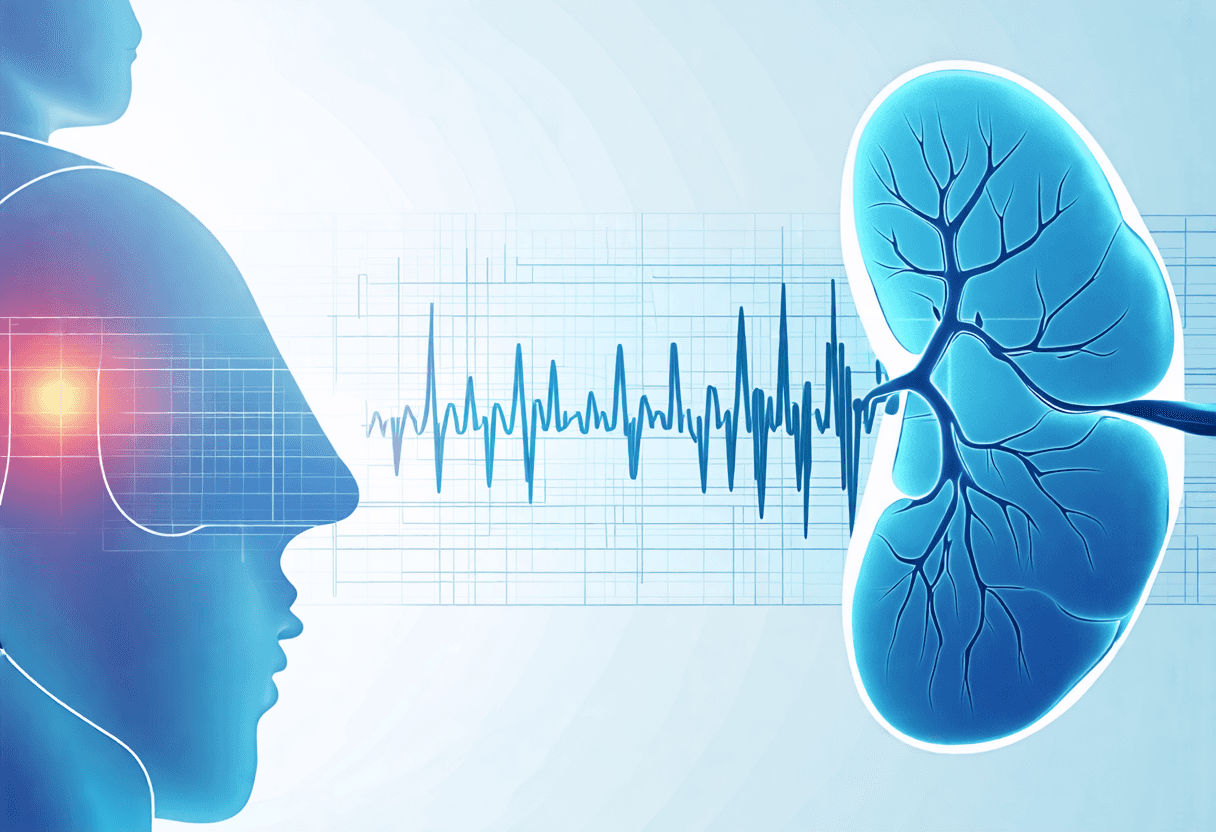
Gestion des effets secondaires de la radiothérapie du cancer de la vessie
25 Oct, 2024
 Voyage santé
When it comes to treating bladder cancer, radiation therapy is often a crucial part of the treatment plan. While it can be an effective way to kill cancer cells and shrink tumors, it can also come with a range of side effects that can impact a person's quality of life. From urinary issues to fatigue, and from skin changes to gastrointestinal problems, the side effects of radiation therapy for bladder cancer can be far-reaching. But the good news is that there are ways to manage these side effects, and with the right support and care, it's possible to minimize their impact and focus on recovery.
Understanding Radiation Therapy for Bladder Cancer
Radiation therapy uses high-energy rays to destroy cancer cells and shrink tumors. For bladder cancer, radiation therapy may be used in combination with surgery, chemotherapy, or immunotherapy, or as a standalone treatment. There are several types of radiation therapy that may be used, including external beam radiation, internal radiation, and stereotactic body radiation therapy. Each type of radiation therapy has its own set of potential side effects, and understanding what to expect can help patients prepare and manage their symptoms more effectively.
Common Side Effects of Radiation Therapy for Bladder Cancer
One of the most common side effects of radiation therapy for bladder cancer is urinary incontinence. This can range from mild to severe and may include symptoms such as frequent urination, urgency, and leakage. Other common side effects include fatigue, skin changes, and gastrointestinal problems such as diarrhea and nausea. Some patients may also experience rectal bleeding, pelvic pain, and changes in bowel habits. In rare cases, radiation therapy can cause more serious side effects such as urinary tract infections, bladder scarring, and infertility.
Managing Side Effects of Radiation Therapy for Bladder Cancer
While it's impossible to eliminate side effects entirely, there are many ways to manage them and minimize their impact. One of the most important things patients can do is to stay hydrated by drinking plenty of water. This can help to reduce the risk of urinary tract infections and alleviate symptoms such as urinary frequency and urgency. Patients should also avoid spicy or acidic foods that can irritate the bladder and exacerbate symptoms. In addition, exercising regularly, getting enough rest, and practicing stress-reducing techniques such as meditation and deep breathing can help to reduce fatigue and improve overall well-being.
Nutrition and Diet for Managing Side Effects
A healthy diet can play a crucial role in managing side effects of radiation therapy for bladder cancer. Eating a balanced diet that is rich in fruits, vegetables, whole grains, and lean proteins can help to support overall health and reduce symptoms. Foods that are high in antioxidants such as berries, leafy greens, and nuts can help to reduce inflammation and promote healing. In addition, staying away from processed and sugary foods can help to reduce the risk of gastrointestinal problems and promote a healthy gut microbiome.
Healthtrip: A Game-Changer for Managing Side Effects
For patients undergoing radiation therapy for bladder cancer, Healthtrip can be a game-changer. By providing access to a range of healthcare services and professionals, Healthtrip can help patients to manage their symptoms more effectively and improve their overall quality of life. From nutrition counseling to physical therapy, and from mental health support to medical tourism, Healthtrip can provide patients with the support and resources they need to navigate the challenges of radiation therapy.
Conclusion
Radiation therapy is a crucial part of treating bladder cancer, but it can come with a range of side effects that can impact a person's quality of life. By understanding what to expect and taking steps to manage symptoms, patients can minimize the impact of side effects and focus on recovery. With the right support and care, including access to Healthtrip's range of healthcare services and professionals, patients can overcome the challenges of radiation therapy and achieve optimal health and well-being.
Procédures les plus populaires dans Inde



Soins de bien-être
Donnez-vous le temps de vous détendre
Prix les plus bas garantis !

Prix les plus bas garantis !
703 patients de Inde choisir ce forfait pour leur Forfait transplantation hépatique

Forfaits bien-être les plus populaires





Blogs associés
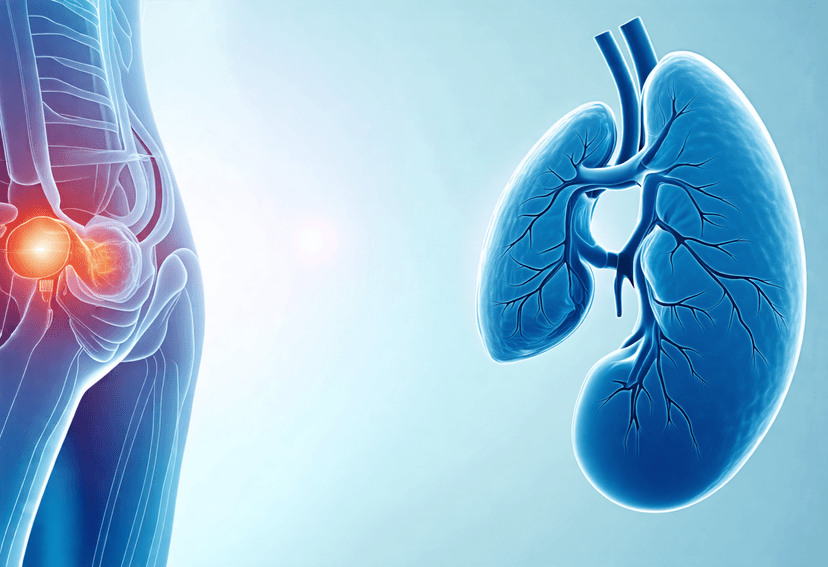
Cancer de la vessie : facteurs de risque et symptômes
Restez informé sur le cancer de la vessie, ses facteurs de risque et ses symptômes

Radiothérapie et soins palliatifs du carcinome de la vessie et des soins palliatifs
La radiothérapie peut fournir des soins palliatifs pour le carcinome de la vessie urinaire
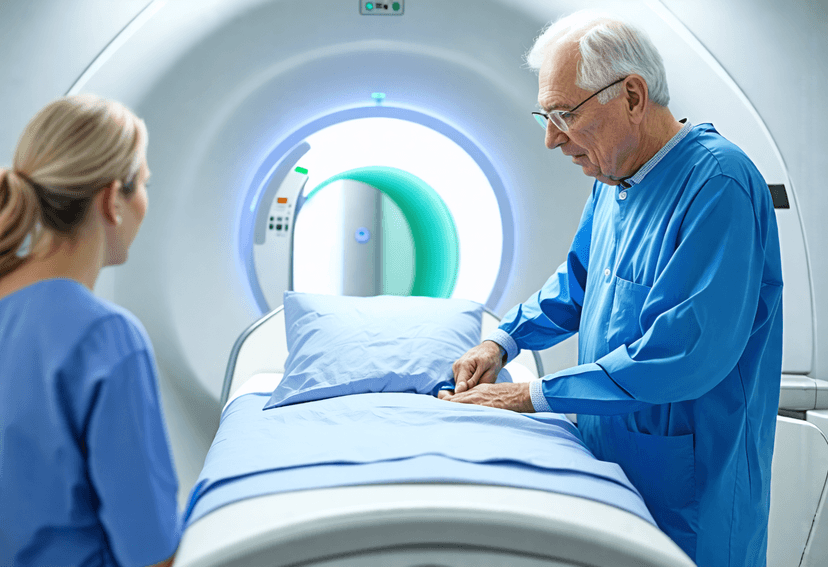
Radiothérapie pour le cancer de la vessie chez les patients âgés
La radiothérapie est une option de traitement appropriée pour les patients âgés
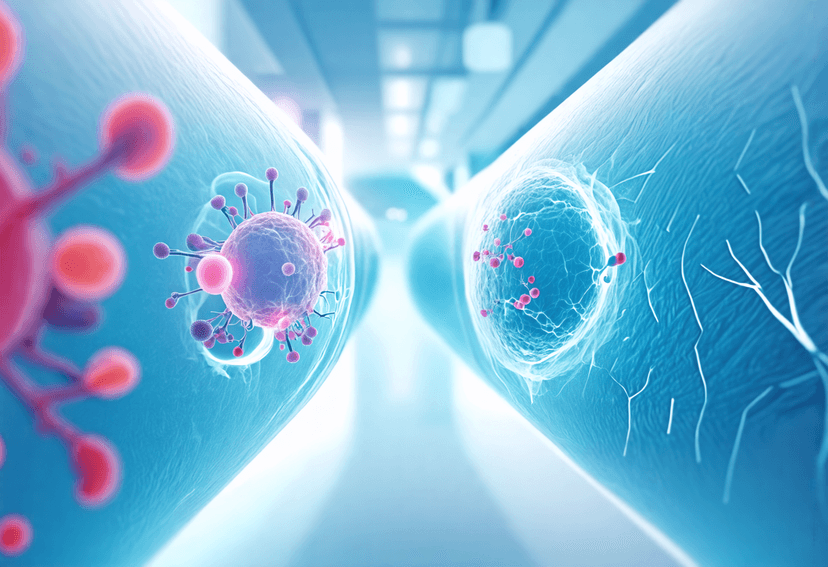
Traitement du cancer de la vessie par radiothérapie et immunothérapie
Découvrez la combinaison de la radiothérapie et de l'immunothérapie pour
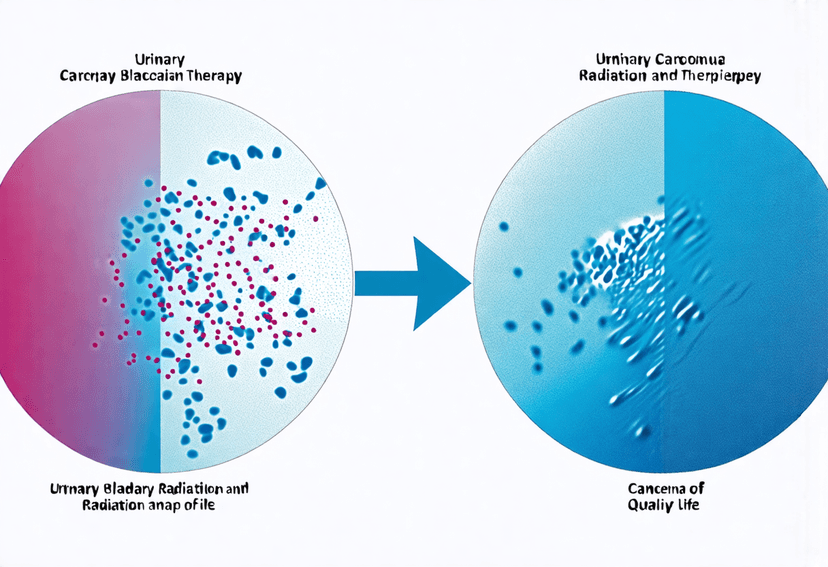
Radiothérapie et qualité de vie du carcinome de la vessie
La radiothérapie peut améliorer la qualité de vie de la vessie urinaire

Effets secondaires de la radiothérapie et de la chimiothérapie contre le cancer de la vessie
Renseignez-vous sur les effets secondaires de la combinaison de la radiothérapie et