
Régime alimentaire et nutrition adaptés à l'arthrite : que manger et ce qu'il faut éviter
15 Sep, 2023
 Voyage santé
1. Introduction
Arthritis, a chronic condition characterized by joint inflammation, can significantly impact a person's quality of life. While there's no cure for arthritis, a well-planned diet can play a pivotal role in managing the symptoms and slowing its progression. In this blog, we'll delve into the specifics of an arthritis-friendly diet by highlighting what you should eat and what you should avoid alleviating discomfort and promote overall well-being.
Procédures les plus populaires dans Inde



2. The Importance of Diet in Arthritis Management
Before we delve into dietary recommendations, it's crucial to understand the role of nutrition in arthritis management. A well-balanced diet can have several benefits for individuals with arthritis:
- Inflammation Control: Certain foods can either promote or reduce inflammation in the body, a key driver of arthritis symptoms. By incorporating anti-inflammatory foods, you can potentially mitigate pain and discomfort.
- Weight Management: Maintaining a healthy weight is essential for arthritis management, as excess body weight places additional stress on the joints. A balanced diet helps in achieving and sustaining a healthy weight.
- Nutrient Provision: Arthritis may lead to nutrient deficiencies due to limitations in movement or chewing. A proper diet ensures you receive vital nutrients necessary for overall health.
3. What to Eat
Now, let's explore the foods that can support your arthritis management:

Soins de bien-être
Donnez-vous le temps de vous détendre
Prix les plus bas garantis !

Prix les plus bas garantis !
1. Omega-3 Fatty Acids
Omega-3 fatty acids found in fatty fish (salmon, mackerel, sardines), flaxseeds, chia seeds, and walnuts have potent anti-inflammatory properties. Including these foods can help alleviate joint pain and stiffness.
2. Fruits and Vegetables
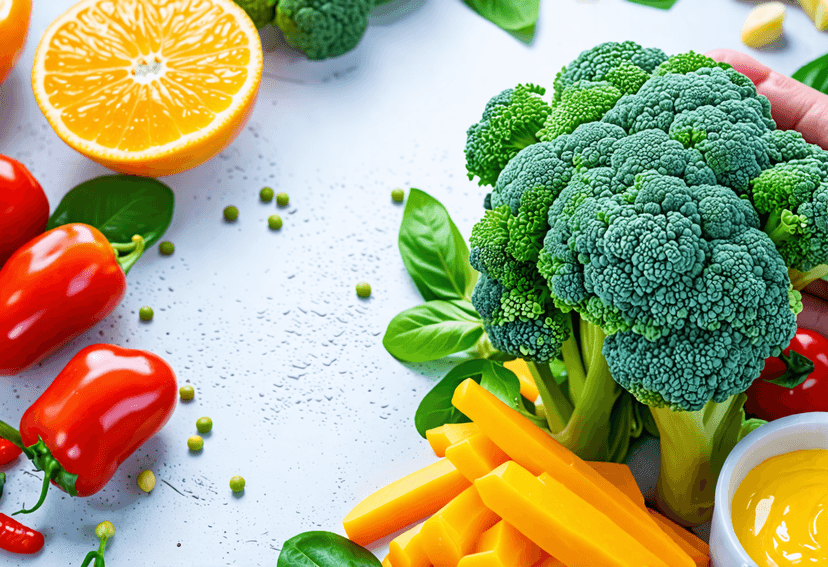
Colorful fruits and vegetables are rich in antioxidants and phytochemicals that combat inflammation. Berries, cherries, spinach, kale, and broccoli should form the cornerstone of your diet.
735 patients de Inde choisir ce forfait pour leur Forfait transplantation hépatique

3. Whole Grains
Opt for whole grains like brown rice, quinoa, and whole wheat bread. They provide essential fiber and nutrients without causing blood sugar spikes.
4. Lean Proteins
Select lean sources of protein, such as skinless poultry, tofu, beans, and legumes. Protein is essential for muscle strength and repair.
5. Nuts and Seeds
Almonds, walnuts, and flaxseeds are excellent sources of healthy fats, fiber, and antioxidants.
6. Herbs and Spices
Turmeric, ginger, and garlic have natural anti-inflammatory properties. Incorporate them into your cooking for flavor and potential pain relief.
7. Dairy or Dairy Alternatives
Low-fat dairy or fortified dairy alternatives provide calcium and vitamin D to support bone health.
8. Hydration
Staying hydrated is crucial for joint health. Water helps lubricate joints and maintains their smooth functioning.
4. What to Avoid
To effectively manage arthritis, it's equally important to steer clear of certain foods and habits:
1. Processed Foods
Highly processed foods often contain trans fats, excessive sugar, and salt, all of which can worsen inflammation. Minimize packaged snacks, sugary drinks, and fast food.
2. Saturated and Trans Fats
Limit consumption of saturated fats found in red meat, fried foods, and full-fat dairy. Completely avoid trans fats typically found in baked goods and margarine.
3. Sugary Beverages
Sugary sodas and fruit juices can lead to weight gain and increased inflammation. Opt for water, herbal tea, or unsweetened beverages.
4. Refined Carbohydrates
White bread, pastries, and sugary cereals can cause blood sugar spikes and contribute to inflammation. Prioritize whole grains instead.
5. Excessive Red Meat
While lean red meat can be part of a balanced diet, excessive consumption may lead to increased inflammation. Limit red meat and opt for plant-based proteins.
5. Additional Tips for an Arthritis-Friendly Lifestyle
In addition to dietary choices, consider the following lifestyle tips to further enhance your arthritis management:
1. Regular Exercise
Incorporate low-impact exercises like swimming, walking, or yoga into your routine. Exercise improves joint flexibility, strengthens muscles, and aids in weight management.
2. Weight Management
Strive for a healthy weight. Even modest weight loss can significantly reduce joint stress, leading to less pain and improved mobility.
3. Medication Management
Adhere to your prescribed medication regimen as directed by your healthcare provider. Medications can help control inflammation and manage pain, enabling you to better engage in dietary and lifestyle changes.
4. Stress Reduction
Chronic stress can worsen arthritis symptoms. Practice relaxation techniques like deep breathing, meditation, or mindfulness to reduce stress and enhance overall well-being.
5. Consult a Dietitian
If you're uncertain about creating an arthritis-friendly diet plan, consider consulting a registered dietitian. They can offer tailored guidance and help you make informed food choices.
6. Track Your Diet and Symptoms
Keep a food diary to monitor dietary choices and changes in arthritis symptoms. This can help identify specific foods that may trigger inflammation or discomfort.
7. Supplements
Some individuals with arthritis may benefit from dietary supplements such as glucosamine, chondroitin, or fish oil. Discuss these options with your healthcare provider before incorporating them into your regimen.
8. Stay Informed
Stay up to date with the latest research on arthritis and nutrition. New discoveries are made regularly, and staying informed can help you refine your dietary choices.
6. In Conclusion
An arthritis-friendly diet is a powerful tool for managing symptoms and improving your quality of life. By choosing anti-inflammatory foods, maintaining a healthy weight, and avoiding inflammatory triggers, you can take control of your arthritis and enjoy a more active and pain-free life.
Remember, dietary changes should be made in consultation with a healthcare professional who can provide personalized recommendations based on your specific type of arthritis and overall health. With the right dietary choices, combined with other lifestyle modifications and medical treatments, you can take significant steps toward effectively managing your arthritis. Embrace these changes as part of a holistic approach to wellness, and you'll be on your way to a healthier, more comfortable life despite arthritis.
Forfaits bien-être les plus populaires





Blogs associés

Réussite des histoires de traitement de l'arthrite en Inde à travers HealthTrip
Explorez comment traiter l'arthrite en Inde avec les meilleurs hôpitaux

Options de traitement abordables pour l'arthrite en Inde avec HealthTrip
Explorez comment traiter l'arthrite en Inde avec les meilleurs hôpitaux

Guide de HealthTrip sur le traitement de l'arthrite en Inde
Explorez comment traiter l'arthrite en Inde avec les meilleurs hôpitaux

Meilleurs médecins en Inde pour la gestion de l'arthrite
Explorez comment traiter l'arthrite en Inde avec les meilleurs hôpitaux

Les meilleurs hôpitaux en Inde pour le traitement de l'arthrite
Explorez comment traiter l'arthrite en Inde avec les meilleurs hôpitaux
Le rôle de la nutrition dans la récupération orthopédique
Fournir votre récupération avec la bonne nutrition pour une orthopédie optimale