প্যাকেজ শুরু করা হচ্ছে
$9000
আপনার চিকিৎসা ভ্রমণের জন্য সঠিক প্যাকেজ চয়নে সাহায্য চাই?
আপনার হেলথ ডেটা আমাদের সাথে সুরক্ষিত
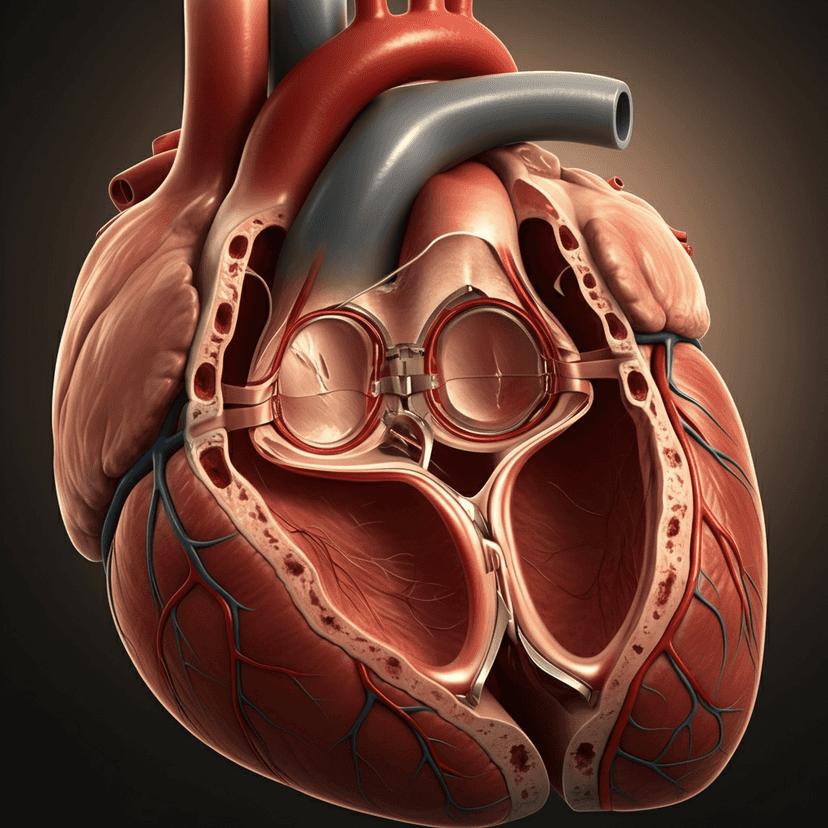
জীবন পরিবর্তন করা হচ্ছে DVR (ডাবল ভালভ প্রতিস্থাপন)
Double Valve Replacement (DVR) is a critical surgical procedure that replaces both the aortic and mitral heart valves. Here's a concise summary:
What is DVR?
- DVR involves replacing the aortic and mitral valves, crucial for regulating heart blood flow, typically due to severe valve diseases.
Importance of DVR:
- This surgery is crucial for patients with simultaneous severe disease in both valves, preventing heart failure and other serious complications.
Types of Prosthetic Valves:
- Mechanical Valves: Long-lasting, require life-long blood thinners.
- Biological Valves: Made from animal or human tissue, need replacement after 10-15 years, do not require long-term blood thinners.
Conditions Treated by DVR:
- Aortic and mitral stenosis (narrowing) and regurgitation (leakage), which impair normal heart function.
Procedure Steps:
- Patients undergo general anesthesia, surgeons make a chest incision, remove the damaged valves, and implant prosthetic ones, followed by a hospital recovery period.
Recovery and Life After DVR:
- Post-surgery, patients typically stay in the hospital for a week, engage in cardiac rehabilitation, and need regular cardiologist follow-ups to ensure valve function and manage any complications.
**Risks:**
- Includes bleeding, infection, blood clots, valve dysfunction, and potential need for a pacemaker.
Long-Term Outlook:
- Most patients see improved life quality, with reduced symptoms and lower complication risks.
Conclusion:
- DVR is a life-saving option for those with serious valve diseases, offering improved cardiac function and quality of life through advanced surgical techniques.
4.0
93% মূল্যায়িত টাকার মূল্য
কেন আমাদের চয়ন করবেন?

96%
সাফল্য হার

2+
DVR (ডাবল ভালভ প্রতিস্থাপন) সার্জনরা

0
DVR (ডাবল ভালভ প্রতিস্থাপন)

9+
বিশ্বের হাসপাতালসমূহ

3+
স্পর্শ করা জীবন
ওভারভিউ
Double Valve Replacement (DVR) is a critical surgical procedure that replaces both the aortic and mitral heart valves. Here's a concise summary:
What is DVR?
- DVR involves replacing the aortic and mitral valves, crucial for regulating heart blood flow, typically due to severe valve diseases.
Importance of DVR:
- This surgery is crucial for patients with simultaneous severe disease in both valves, preventing heart failure and other serious complications.
Types of Prosthetic Valves:
- Mechanical Valves: Long-lasting, require life-long blood thinners.
- Biological Valves: Made from animal or human tissue, need replacement after 10-15 years, do not require long-term blood thinners.
Conditions Treated by DVR:
- Aortic and mitral stenosis (narrowing) and regurgitation (leakage), which impair normal heart function.
Procedure Steps:
- Patients undergo general anesthesia, surgeons make a chest incision, remove the damaged valves, and implant prosthetic ones, followed by a hospital recovery period.
Recovery and Life After DVR:
- Post-surgery, patients typically stay in the hospital for a week, engage in cardiac rehabilitation, and need regular cardiologist follow-ups to ensure valve function and manage any complications.
**Risks:**
- Includes bleeding, infection, blood clots, valve dysfunction, and potential need for a pacemaker.
Long-Term Outlook:
- Most patients see improved life quality, with reduced symptoms and lower complication risks.
Conclusion:
- DVR is a life-saving option for those with serious valve diseases, offering improved cardiac function and quality of life through advanced surgical techniques.




ডাক্তার

4.0
এ পরামর্শ করে:


5.0
এ পরামর্শ করে: