
Le rôle de l'exercice dans la récupération du cancer
09 Oct, 2024
 Voyage santé
When a person is diagnosed with cancer, their life is turned upside down. The diagnosis brings with it a mix of emotions - fear, anxiety, and uncertainty. The treatment journey that follows can be grueling, leaving the individual feeling drained, both physically and emotionally. However, amidst the chaos, there is a beacon of hope - exercise. Exercise has emerged as a powerful tool in cancer recovery, playing a crucial role in improving the overall quality of life for cancer patients and survivors.
The Benefits of Exercise During Cancer Treatment
Research has consistently shown that regular exercise during cancer treatment can have a significant impact on the body and mind. Exercise has been found to reduce the severity of treatment-related side effects, such as fatigue, nausea, and pain. It also helps to improve sleep quality, boost mood, and enhance overall physical function. Moreover, exercise has been shown to reduce the risk of cancer recurrence and improve survival rates.
Procédures les plus populaires dans Inde


Reducing Fatigue
One of the most debilitating side effects of cancer treatment is fatigue. It can leave individuals feeling exhausted, making it challenging to perform even the simplest of tasks. Exercise, however, has been found to be an effective way to combat fatigue. Regular physical activity helps to increase energy levels, reducing the feeling of exhaustion and improving overall quality of life.
Improving Mental Health
Cancer diagnosis and treatment can take a toll on mental health, leading to anxiety, depression, and stress. Exercise has been found to have a positive impact on mental health, reducing symptoms of anxiety and depression. Physical activity stimulates the release of endorphins, also known as "feel-good" hormones, which help to improve mood and reduce stress levels.

Soins de bien-être
Donnez-vous le temps de vous détendre
Prix les plus bas garantis !

Prix les plus bas garantis !
Exercise After Cancer Treatment
Once cancer treatment is complete, exercise continues to play a vital role in the recovery process. Regular physical activity helps to improve cardiovascular health, increase strength and flexibility, and reduce the risk of chronic diseases, such as heart disease and diabetes. Exercise also helps to improve body composition, reducing the risk of obesity and related health problems.
Improving Body Composition
Many cancer survivors experience changes in body composition during and after treatment, leading to weight gain or loss of muscle mass. Exercise, particularly resistance training, helps to improve body composition, increasing muscle mass and reducing body fat. This, in turn, can improve overall health and reduce the risk of chronic diseases.
Enhancing Overall Well-being
Exercise has a profound impact on overall well-being, improving physical, emotional, and mental health. Regular physical activity helps to increase confidence, improve self-esteem, and enhance overall quality of life. It also provides an opportunity to connect with others, reducing feelings of loneliness and isolation.
Creating an Exercise Plan
While exercise is essential for cancer recovery, it's crucial to create a plan that suits individual needs and abilities. It's recommended to consult with a healthcare provider or a certified fitness professional to develop a personalized exercise plan. This plan should take into account the individual's fitness level, cancer type, and treatment history.
679 patients de Inde choisir ce forfait pour leur Forfait transplantation hépatique

Starting Slow
It's essential to start slowly, particularly for those who are new to exercise or have been inactive for a while. Begin with short, manageable sessions, and gradually increase duration and intensity over time. This approach helps to reduce the risk of injury and improves adherence to the exercise plan.
Incorporating Variety
Variety is key when it comes to exercise. Incorporate a mix of aerobic exercise, such as walking or swimming, with strength training and flexibility exercises. This approach helps to improve overall fitness and reduces the risk of boredom and plateaus.
In conclusion, exercise plays a vital role in cancer recovery, improving physical, emotional, and mental health. By incorporating regular physical activity into their lifestyle, cancer patients and survivors can reduce the severity of treatment-related side effects, improve overall quality of life, and enhance their overall well-being.
Forfaits bien-être les plus populaires





Blogs associés

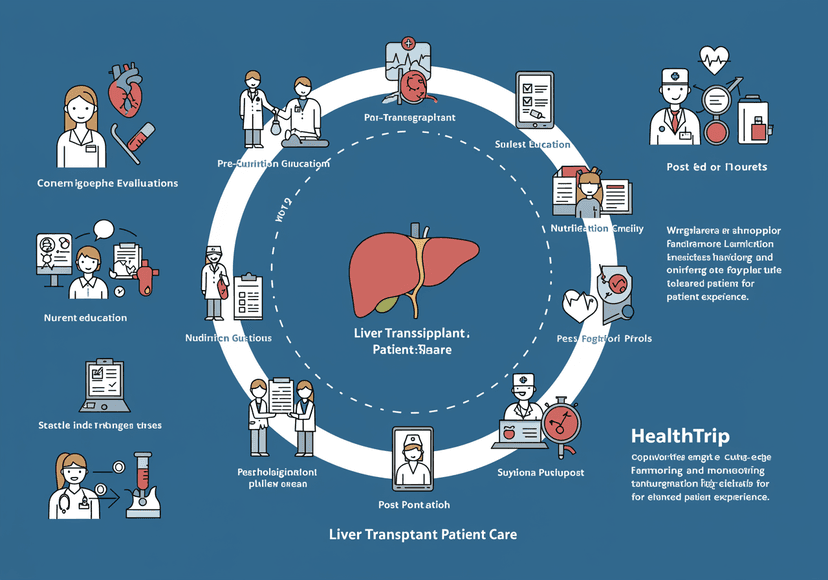
Soins complantes complantes du foie chez HealthTrip
Découvrez comment HealthTrip offre des soins compatissants et compatissants aux patients tout au long
Soins complantes complantes du foie chez HealthTrip
Découvrez comment HealthTrip offre des soins compatissants et compatissants aux patients tout au long

Le rôle de l'exercice dans la santé rénale
Découvrez comment l'exercice peut améliorer la santé rénale

Fitness pour la vitalité des hommes
Découvrez les meilleurs conseils fitness pour la vitalité et le bien-être des hommes

Exercice pour la vitalité des hommes
Apprenez les meilleurs exercices pour la vitalité et le bien-être des hommes

Récupération après chirurgie pancréatique
À quoi s'attendre pendant la période de récupération après la chirurgie pancréatique