الحزم تبدأ من
$5500
هل تحتاج إلى مساعدة في اختيار الحزمة المناسبة لرحلتك الطبية؟
بياناتك الصحية محمية معنا
تحويل الحياة بـ إغلاق / إصلاح VSD (للبالغين))
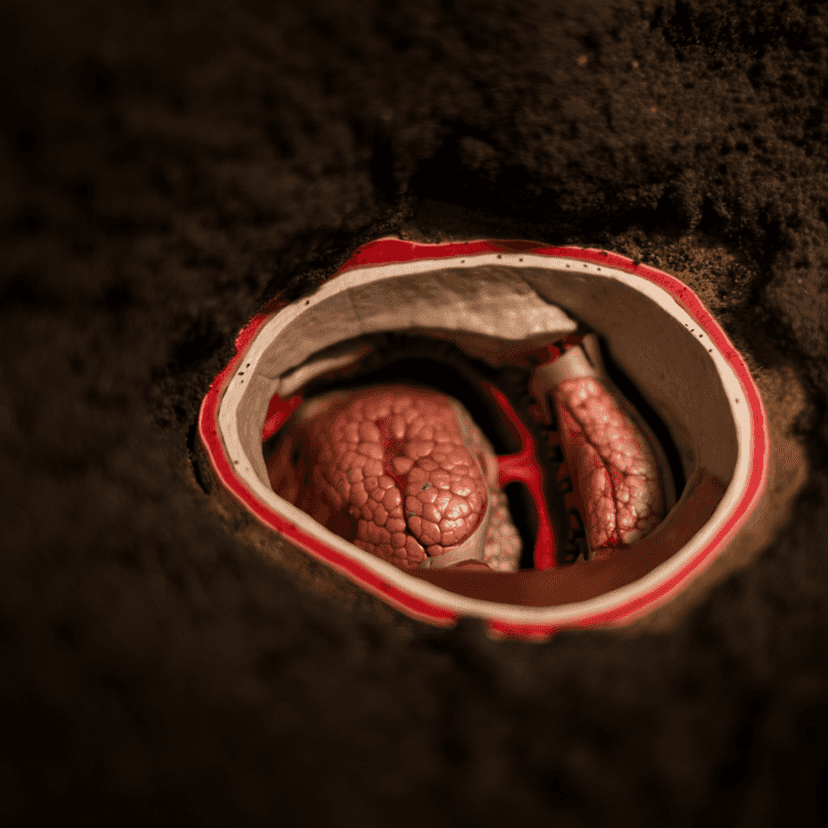
Ventricular Septal Defect (VSD) closure or repair is a surgical procedure to correct a hole in the septum that separates the heart's two lower chambers (ventricles). In adults, an untreated VSD can lead to complications such as heart failure, endocarditis, and pulmonary hypertension. The procedure can be performed using minimally invasive techniques or traditional open-heart surgery, depending on the size, location, and complexity of the defect.
Procedure Overview:
Preoperative Preparation:
- Comprehensive diagnostic tests, including echocardiography, cardiac MRI, or CT scans, to evaluate the size and location of the VSD.
- A thorough medical evaluation and discussion of the patient's medical history and current medications.
Surgical Steps:
- Minimally Invasive (Catheter-Based) Closure:
- Local anesthesia is administered, and a catheter is inserted through a vein in the groin.
- Using imaging guidance, a closure device is delivered to the heart and positioned to seal the VSD.
- Open-Heart Surgery:
- General anesthesia is administered, and an incision is made in the chest to access the heart.
- The heart is temporarily stopped, and a heart-lung machine maintains circulation.
- The surgeon stitches the defect closed or places a patch over the hole to close it.
- The procedure chosen depends on the defect's size, location, and the patient's overall health.
- Minimally Invasive (Catheter-Based) Closure:
Recovery:
- Minimally Invasive: Shorter hospital stay, typically 1-2 days, with quicker recovery and minimal scarring.
- Open-Heart Surgery: Longer hospital stay, usually around 5-7 days, with a more extended recovery period.
- Patients are advised on activity restrictions and follow-up care to monitor healing and heart function.
Outcomes:
- Effectiveness: Both minimally invasive and open-heart VSD repairs are highly effective, with most patients experiencing significant improvements in symptoms and heart function.
- Prognosis: Successful VSD closure reduces the risk of future complications such as heart failure, endocarditis, and pulmonary hypertension, leading to improved quality of life and longevity.
VSD closure or repair in adults is a vital intervention to prevent serious heart-related complications, with both minimally invasive and traditional surgical options providing effective solutions based on individual patient needs.
4.0
93% مصنف قيمة مقابل المال
لماذا تختارونا؟

98%
معدل النجاح

0
إغلاق / إصلاح VSD (للبالغين)) الجراحين

0
إغلاق / إصلاح VSD (للبالغين))

0
المستشفيات في جميع أنحاء العالم

0
الحياة التي تم لمسها
نظرة عامة
Ventricular Septal Defect (VSD) closure or repair is a surgical procedure to correct a hole in the septum that separates the heart's two lower chambers (ventricles). In adults, an untreated VSD can lead to complications such as heart failure, endocarditis, and pulmonary hypertension. The procedure can be performed using minimally invasive techniques or traditional open-heart surgery, depending on the size, location, and complexity of the defect.
Procedure Overview:
Preoperative Preparation:
- Comprehensive diagnostic tests, including echocardiography, cardiac MRI, or CT scans, to evaluate the size and location of the VSD.
- A thorough medical evaluation and discussion of the patient's medical history and current medications.
Surgical Steps:
- Minimally Invasive (Catheter-Based) Closure:
- Local anesthesia is administered, and a catheter is inserted through a vein in the groin.
- Using imaging guidance, a closure device is delivered to the heart and positioned to seal the VSD.
- Open-Heart Surgery:
- General anesthesia is administered, and an incision is made in the chest to access the heart.
- The heart is temporarily stopped, and a heart-lung machine maintains circulation.
- The surgeon stitches the defect closed or places a patch over the hole to close it.
- The procedure chosen depends on the defect's size, location, and the patient's overall health.
- Minimally Invasive (Catheter-Based) Closure:
Recovery:
- Minimally Invasive: Shorter hospital stay, typically 1-2 days, with quicker recovery and minimal scarring.
- Open-Heart Surgery: Longer hospital stay, usually around 5-7 days, with a more extended recovery period.
- Patients are advised on activity restrictions and follow-up care to monitor healing and heart function.
Outcomes:
- Effectiveness: Both minimally invasive and open-heart VSD repairs are highly effective, with most patients experiencing significant improvements in symptoms and heart function.
- Prognosis: Successful VSD closure reduces the risk of future complications such as heart failure, endocarditis, and pulmonary hypertension, leading to improved quality of life and longevity.
VSD closure or repair in adults is a vital intervention to prevent serious heart-related complications, with both minimally invasive and traditional surgical options providing effective solutions based on individual patient needs.