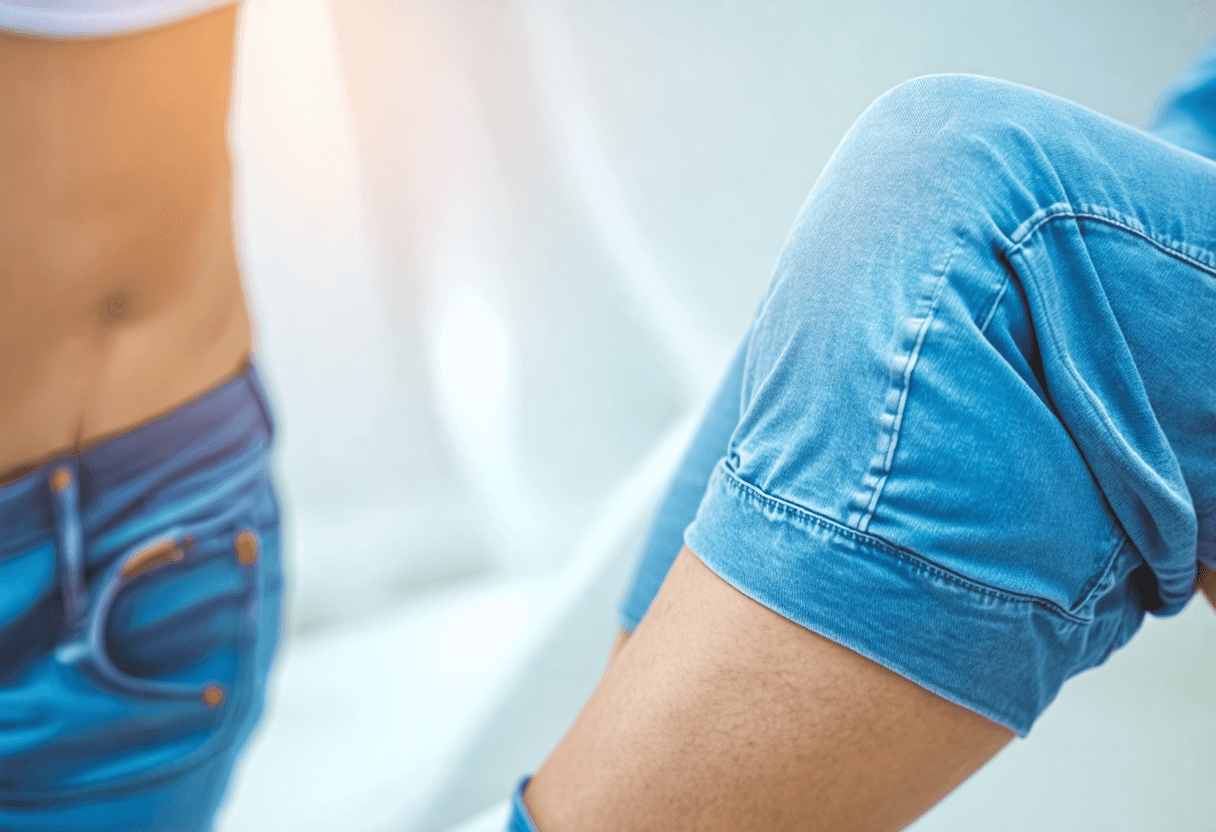
أعراض الدوالي: ما الذي يجب الانتباه إليه
27 Oct, 2024
 هيلث تريب
As we age, our bodies undergo a multitude of changes, some of which can be quite unwelcome. One such change is the development of varicose veins, a condition that affects millions of people worldwide. While it's common to associate varicose veins with cosmetic concerns, they can also be a sign of an underlying health issue that requires attention. If you're concerned about the appearance of your legs or are experiencing discomfort, it's essential to know the symptoms of varicose veins and what to look out for.
Visible Signs of Varicose Veins
One of the most obvious signs of varicose veins is their appearance. These enlarged, twisted veins can be seen through the skin, often appearing as bulging, bluish or purple lines that can be tender to the touch. They can develop anywhere on the body, but they're most commonly found on the legs, particularly on the calves, thighs, and ankles. In some cases, varicose veins can be so pronounced that they bulge out of the skin, causing discomfort and embarrassment.
الإجراءات الأكثر شعبية في الهند


Color Changes and Skin Discoloration
As varicose veins progress, they can cause skin discoloration, leading to a range of colors, from a reddish-brown to a dark brown. This discoloration is often a sign of chronic venous insufficiency, a condition where the veins struggle to return blood to the heart. The skin may also become thin, dry, and itchy, making it prone to irritation and inflammation.

العلاجات الصحية
امنح نفسك الوقت للاسترخاء
أقل الأسعار مضمونة!

أقل الأسعار مضمونة!
Pain and Discomfort
Varicose veins can cause a range of uncomfortable symptoms, including aching, heaviness, and fatigue in the legs. These sensations can be exacerbated by prolonged standing, sitting, or physical activity. In some cases, the pain can be severe, making it difficult to perform everyday tasks or enjoy activities you once loved. The discomfort can be so intense that it disrupts sleep patterns, leading to fatigue and mood disturbances.
Swelling and Inflammation
As varicose veins worsen, they can cause fluid buildup in the legs, leading to swelling and inflammation. This swelling can be painful and unsightly, making it difficult to wear shoes or engage in activities that were once enjoyable. In severe cases, the swelling can lead to skin ulcers, which can be slow to heal and prone to infection.
Other Symptoms of Varicose Veins
Beyond the visible signs and discomfort, varicose veins can cause a range of other symptoms, including itching, burning, or tingling sensations in the legs. Some people may experience muscle cramps, weakness, or a feeling of heaviness in the legs, making it difficult to move around. In rare cases, varicose veins can lead to more severe complications, such as blood clots, pulmonary embolism, or even heart failure.
749 المرضى من الهند اختر هذه الحزمة لهم باقة زراعة الكبد

What to Do If You're Experiencing Symptoms
If you're experiencing any of the symptoms mentioned above, it's essential to consult with a healthcare professional. They can diagnose varicose veins through a physical examination and may recommend further testing, such as a Doppler ultrasound or venography. Treatment options vary depending on the severity of the condition, but may include lifestyle changes, compression stockings, sclerotherapy, or surgery.
Don't let varicose veins hold you back from enjoying life. By understanding the symptoms and seeking medical attention, you can take the first step towards relief and a healthier, happier you. HealthTrip, a leading healthcare provider, offers a range of treatment options for varicose veins, helping you to regain confidence and comfort in your own skin.
أشهر حزم العافية




المدونات ذات الصلة

كشف سر آلام الرقبة
فهم أسباب وأعراض آلام الرقبة وكيف
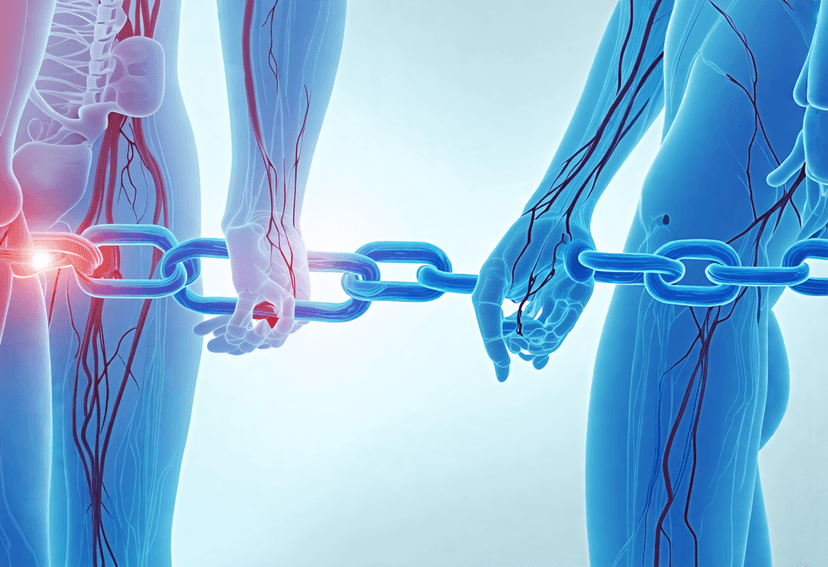
فهم الرابط الحرج: كيف يمكن أن تؤدي الدوالي إلى تجلط الدم العميق
فهم العلاقة بين الدوالي وتخثر الوريد العميق

لماذا تعتبر الجوارب الضاغطة أفضل حليف لك ضد الدوالي: تفسير علمي
اكتشف فوائد جوارب الضغط للدوالي و

دليل السفر الكامل للأشخاص الذين يعانون من الدوالي: نصائح الخبراء وتدابير السلامة
تعلم كيفية إدارة دواليات الأوردة أثناء السفر وماذا

فوائد علاج الوريد الدوالي
فهم فوائد علاج الوريد الدوالي ، من تحسين المظهر

الدوالي والتمارين الرياضية: هل هي آمنة?
اكتشف ما إذا كان التمرين آمنًا للأشخاص الذين يعانون من الدوالي