حج القحف لسكتة دماغية: ما يمكن توقعه
17 Nov, 2024
 هيلث تريب
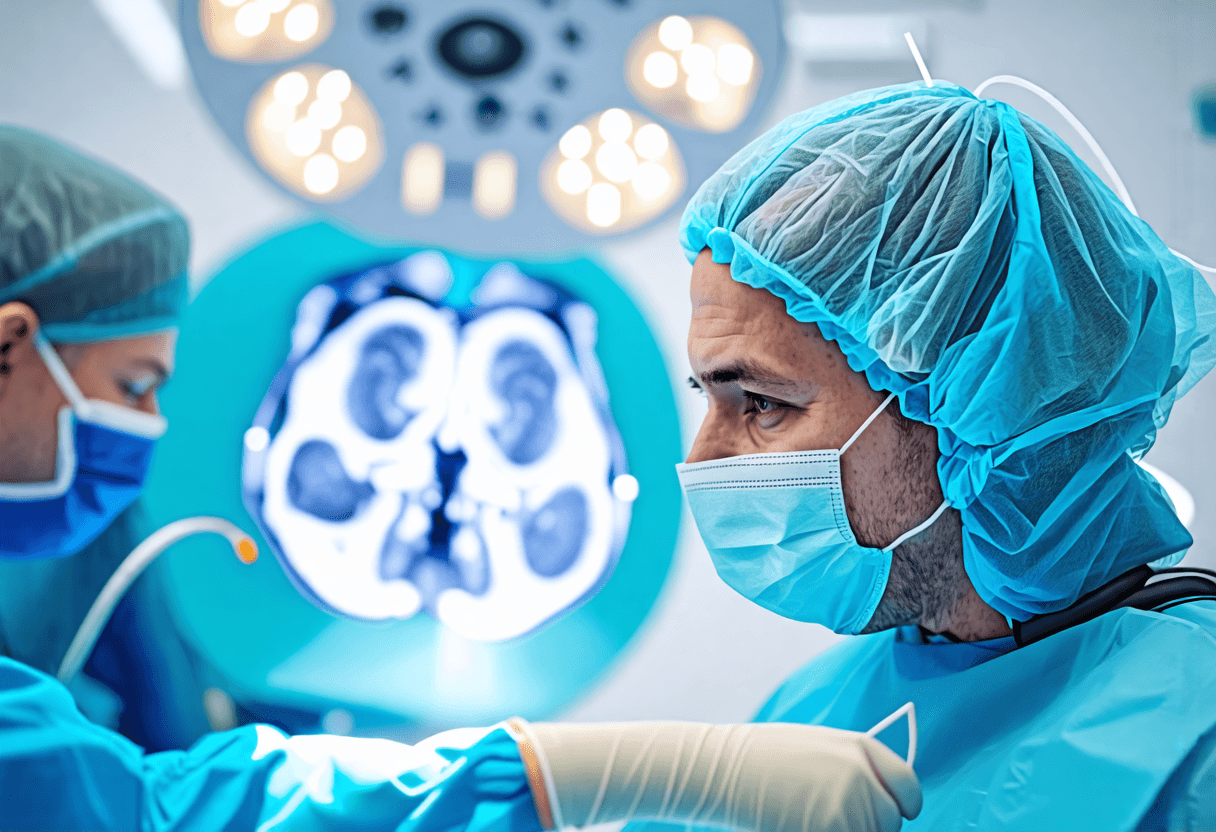
عندما يعاني أحد أفراد أسرته من سكتة دماغية ، من الطبيعي أن يشعر بالإرهاق وغير متأكد من ما يمكن توقعه. يمكن أن يكون الطريق إلى التعافي طويلًا وشاقًا، ولكن مع الرعاية والدعم الطبي المناسبين، من الممكن للمرضى استعادة قوتهم واستقلالهم. في بعض الحالات، قد يكون من الضروري إجراء بضع القحف للتخفيف من الأضرار الناجمة عن السكتة الدماغية. باعتبارك مقدم رعاية، فإن فهم ما يستلزمه هذا الإجراء يمكن أن يساعدك على دعم أحبائك بشكل أفضل في رحلته إلى التعافي.
ما هو حج القحف؟
بضع القحف هو نوع من الجراحة يتضمن إزالة جزء من الجمجمة للوصول إلى الدماغ. عادة ما يتم تنفيذ هذا الإجراء لتخفيف الضغط على الدماغ الناجم عن السكتة الدماغية أو الورم أو إصابة مؤلمة. في حالة حدوث ضربة في الدماغ ، قد يكون لضعف القحف ضروريًا لإزالة جلطات الدم أو إصلاح الأوعية الدموية التالفة. الهدف من الجراحة هو تقليل الضغط على الدماغ ومنع مزيد من الضرر.
الإجراءات الأكثر شعبية في الهند


الإجراء
عادةً ما يستغرق إجراء بضع القحف عدة ساعات ويتم إجراؤه تحت التخدير العام. سيقوم الجراح بعمل شق في فروة الرأس ويزيل قسمًا من الجمجمة للوصول إلى المنطقة المصابة من الدماغ. بمجرد إزالة السديلة العظمية، سيقوم الجراح بفحص الدماغ بعناية وإجراء الإصلاحات اللازمة أو إزالة أي جلطات دموية. ثم يتم استبدال رفرف العظام ، ويتم إغلاق الشق.

العلاجات الصحية
امنح نفسك الوقت للاسترخاء
أقل الأسعار مضمونة!

أقل الأسعار مضمونة!
المخاطر والمضاعفات
كما هو الحال مع أي عملية جراحية كبرى، هناك مخاطر ومضاعفات مرتبطة بفتح القحف. يمكن أن تشمل هذه العدوى والنزيف والنوبة. في بعض الحالات ، قد يواجه المرضى تغييرات إدراكية أو سلوكية بعد الجراحة. من الضروري مناقشة هذه المخاطر مع الفريق الطبي لأحبائك ووزن الفوائد وعيوب الإجراء بعناية.
التعافي وإعادة التأهيل
يمكن أن تكون عملية التعافي من بضع القحف طويلة وتتطلب الصبر والتفاني. بعد الجراحة مباشرة ، سيتم نقل المرضى إلى وحدة العناية المركزة (ICU) للرصد الدقيق. وبمجرد أن تكون حالتهم مستقرة، سيتم نقلهم إلى غرفة عادية في المستشفى لمزيد من الشفاء. سيختلف طول الإقامة في المستشفى اعتمادًا على تقدم الفرد. بعد الخروج من المستشفى، سيحتاج المرضى إلى إعادة تأهيل مستمرة لاستعادة قوتهم وقدرتهم على الحركة. يمكن أن يشمل ذلك العلاج البدني والمهني والكلام.
دعم أحبائك
كمقدم الرعاية ، دورك أمر بالغ الأهمية في دعم أحبائك أثناء شفائهم. يمكن أن يكون هذا وقتًا صعبًا وعاطفيًا ، ولكن مع العقلية والموارد الصحيحة ، يمكنك إحداث فرق كبير. من الضروري التحلي بالصبر والتفاهم ، لأن عملية الاسترداد يمكن أن تكون بطيئة ومحبطة في بعض الأحيان. شجع أحبائك على اتباع خطة إعادة التأهيل والعرض لمرافقتهم على جلسات العلاج. بالإضافة إلى ذلك، لا تخف من طلب الدعم لنفسك، سواء كان ذلك من خلال الاستشارة أو مجموعات الدعم.
706 المرضى من الهند اختر هذه الحزمة لهم باقة زراعة الكبد

HealthTrip: شريكك في الشفاء
في Healthtrip، نحن نتفهم تحديات التنقل في نظام الرعاية الصحية، خاصة خلال الأوقات الصعبة. ولهذا السبب نحن ملتزمون بتقديم الدعم والتوجيه الشخصي في كل خطوة على الطريق. سيعمل فريق الخبراء لدينا بشكل وثيق معك ومع من تحب لضمان الانتقال السلس من المستشفى إلى المنزل، وتوفير الوصول إلى المرافق الطبية الأعلى تقييمًا وأماكن الإقامة وخدمات إعادة التأهيل. مع HealthTrip ، يمكنك التركيز على ما يهم أكثر - تعافي أحبائك.
النتيجة
يمكن أن يكون بضع القحف إجراء إنقاذ الحياة للأفراد الذين عانوا من دماغ الدماغ. على الرغم من أن طريق الانتعاش يمكن أن يكون طويلًا وصعبًا ، مع الرعاية الطبية المناسبة والدعم ، من الممكن للمرضى استعادة قوتهم واستقلالهم. كمقدم رعاية، فإن فهم ما يمكن توقعه والحصول على الموارد المناسبة يمكن أن يحدث فرقًا كبيرًا. من خلال العمل مع الفريق الطبي لأحبائك وHealthtrip، يمكنك ضمان حصولهم على أفضل رعاية ودعم ممكنين خلال هذا الوقت الحرج.
أشهر حزم العافية


المدونات ذات الصلة

تحطيم تكلفة جراحة الأعصاب في الهند عبر HealthTrip
احصل على تفاصيل كاملة عن جراحة الأعصاب في الهند مع HealthTrip.
احصل على رأي ثانٍ لجراحة الأعصاب من خبراء HealthTrip
احصل على تفاصيل كاملة عن جراحة الأعصاب في الهند مع HealthTrip.
بأسعار معقولة مقابل قسط: خيارات جراحة العصبية مع HealthTrip
احصل على تفاصيل كاملة عن جراحة الأعصاب في الهند مع HealthTrip.
التنقل في الجراحة العصبية في الهند مع HealthTrip: دليل خطوة بخطوة
احصل على تفاصيل كاملة عن جراحة الأعصاب في الهند مع HealthTrip.

قائمة مراجعة السفر الطبية الخاصة بك لجراحة العصبية مع HealthTrip
احصل على تفاصيل كاملة عن جراحة الأعصاب في الهند مع HealthTrip.
مراجعات حقيقية للمريض لجراحة الأعصاب عبر HealthTrip
احصل على تفاصيل كاملة عن جراحة الأعصاب في الهند مع HealthTrip.