سرطان الثدي وانقطاع الطمث
24 Oct, 2024
 هيلث تريب
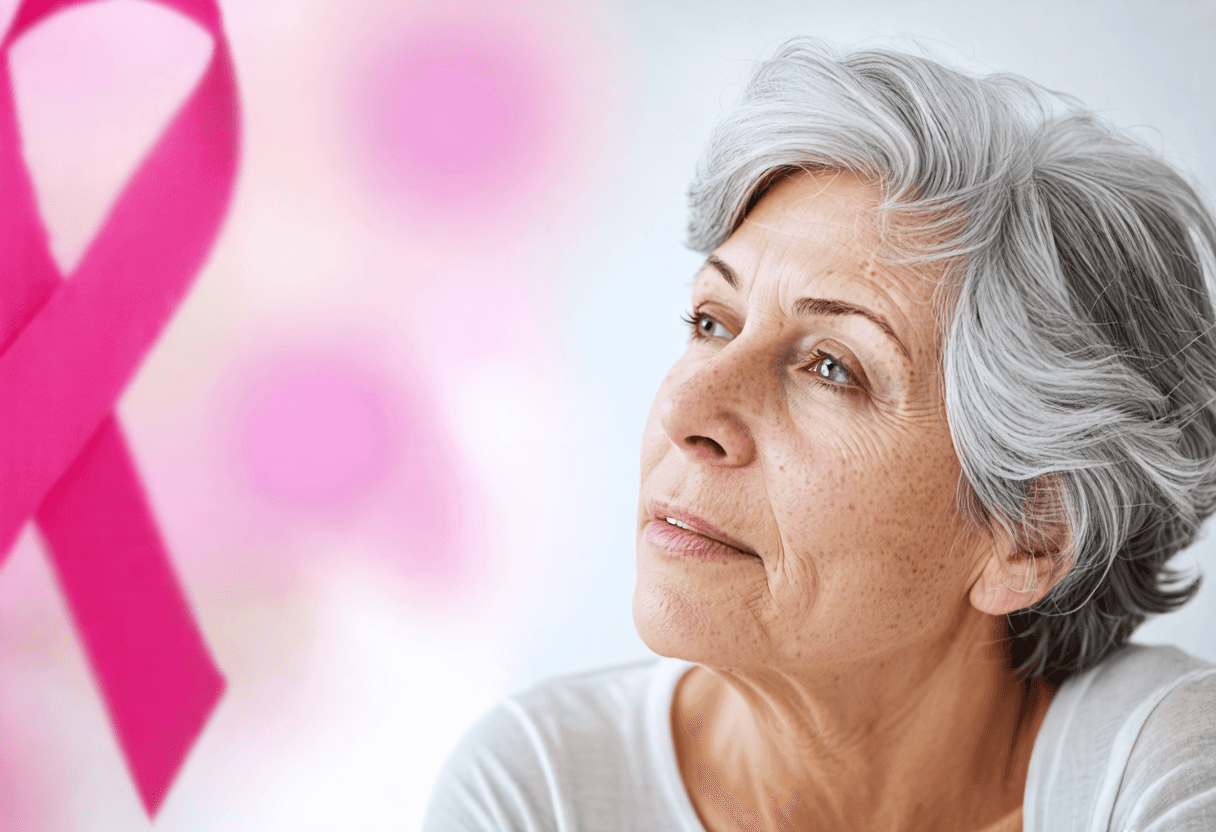
As women approach menopause, they often face a plethora of physical and emotional changes that can be overwhelming. One of the most significant concerns during this period is the risk of breast cancer. The good news is that with the right information and precautions, women can take control of their health and reduce their chances of developing this devastating disease. In this article, we will delve into the connection between breast cancer and menopause, exploring the risks, symptoms, and prevention strategies that every woman should know.
The Link Between Breast Cancer and Menopause
Research has shown that the risk of breast cancer increases with age, and menopause is a significant milestone in this journey. During menopause, the levels of estrogen and progesterone in the body fluctuate wildly, leading to a higher risk of breast cancer. This is because these hormones can stimulate the growth of cells in the breast, increasing the likelihood of abnormal cell growth and tumor formation. In fact, studies have shown that women who experience menopause at a later age are at a higher risk of developing breast cancer.
الإجراءات الأكثر شعبية في الهند


Additionally, women who experience menopause at an early age, either naturally or through surgical removal of the ovaries, may have a lower risk of breast cancer. This is because their exposure to estrogen and progesterone is reduced, thereby decreasing the stimulation of abnormal cell growth. However, it is essential to note that early menopause does not guarantee a breast cancer-free life, and regular screenings and check-ups are still crucial.
Hormone Replacement Therapy (HRT) and Breast Cancer Risk
Hormone Replacement Therapy (HRT) is a common treatment for menopausal symptoms, but it has been linked to an increased risk of breast cancer. HRT involves taking estrogen and progesterone to alleviate symptoms such as hot flashes, night sweats, and vaginal dryness. However, studies have shown that long-term use of HRT can increase the risk of breast cancer, particularly in women who take a combination of estrogen and progesterone. The good news is that the risk decreases once HRT is stopped.

العلاجات الصحية
امنح نفسك الوقت للاسترخاء
أقل الأسعار مضمونة!

أقل الأسعار مضمونة!
It is essential for women to weigh the benefits of HRT against the potential risks and discuss their options with their healthcare provider. In some cases, alternative treatments may be recommended to alleviate menopausal symptoms without increasing the risk of breast cancer.
Recognizing the Symptoms of Breast Cancer
Breast cancer can be a silent killer, and recognizing the symptoms early is crucial for effective treatment and survival. Some common symptoms of breast cancer include:
A lump or thickening in the breast or underarm area
Changes in the size, shape, or color of the breast
617 المرضى من الهند اختر هذه الحزمة لهم باقة زراعة الكبد

Dimpling or puckering of the skin
Nipple discharge or changes in the nipple
Pain or tenderness in the breast
If you experience any of these symptoms, it is essential to consult with your healthcare provider immediately. Early detection and treatment can significantly improve survival rates and quality of life.
Prevention Strategies for Breast Cancer
While there is no surefire way to prevent breast cancer, there are several strategies that can reduce the risk:
Maintain a healthy weight: Being overweight or obese increases the risk of breast cancer, particularly after menopause.
Exercise regularly: Regular physical activity can reduce the risk of breast cancer by up to 10%.
Eat a balanced diet: A diet rich in fruits, vegetables, and whole grains can help reduce the risk of breast cancer.
Limit alcohol consumption: Excessive alcohol consumption has been linked to an increased risk of breast cancer.
Get enough sleep: Poor sleep quality and duration have been linked to an increased risk of breast cancer.
Get regular screenings: Regular mammograms and breast exams can help detect breast cancer early, when it is most treatable.
In conclusion, breast cancer is a significant concern for women approaching menopause. However, by understanding the risks, recognizing the symptoms, and adopting prevention strategies, women can take control of their health and reduce their chances of developing this devastating disease. Remember, knowledge is power, and staying informed is the first step towards a healthier, happier life.
أشهر حزم العافية





المدونات ذات الصلة

احتضان انقطاع الطمث مع الصحة الشاملة
النهج الصحية الشاملة لانقطاع الطمث

سرطان الثدي والخصوبة
كيف يؤثر علاج سرطان الثدي على الخصوبة
سرطان الثدي والحمل
كيف يؤثر الحمل على خطر الإصابة بسرطان الثدي وعلاجه

سرطان الثدي لدى الشابات
تعرف على التحديات الفريدة لسرطان الثدي في الشباب

الكشف المبكر عن سرطان الثدي
تعرف على أهمية الكشف المبكر في سرطان الثدي

سرطان عنق الرحم وانقطاع الطمث: ما تحتاج إلى معرفته
تعرفي على العلاقة بين سرطان عنق الرحم وانقطاع الطمث.