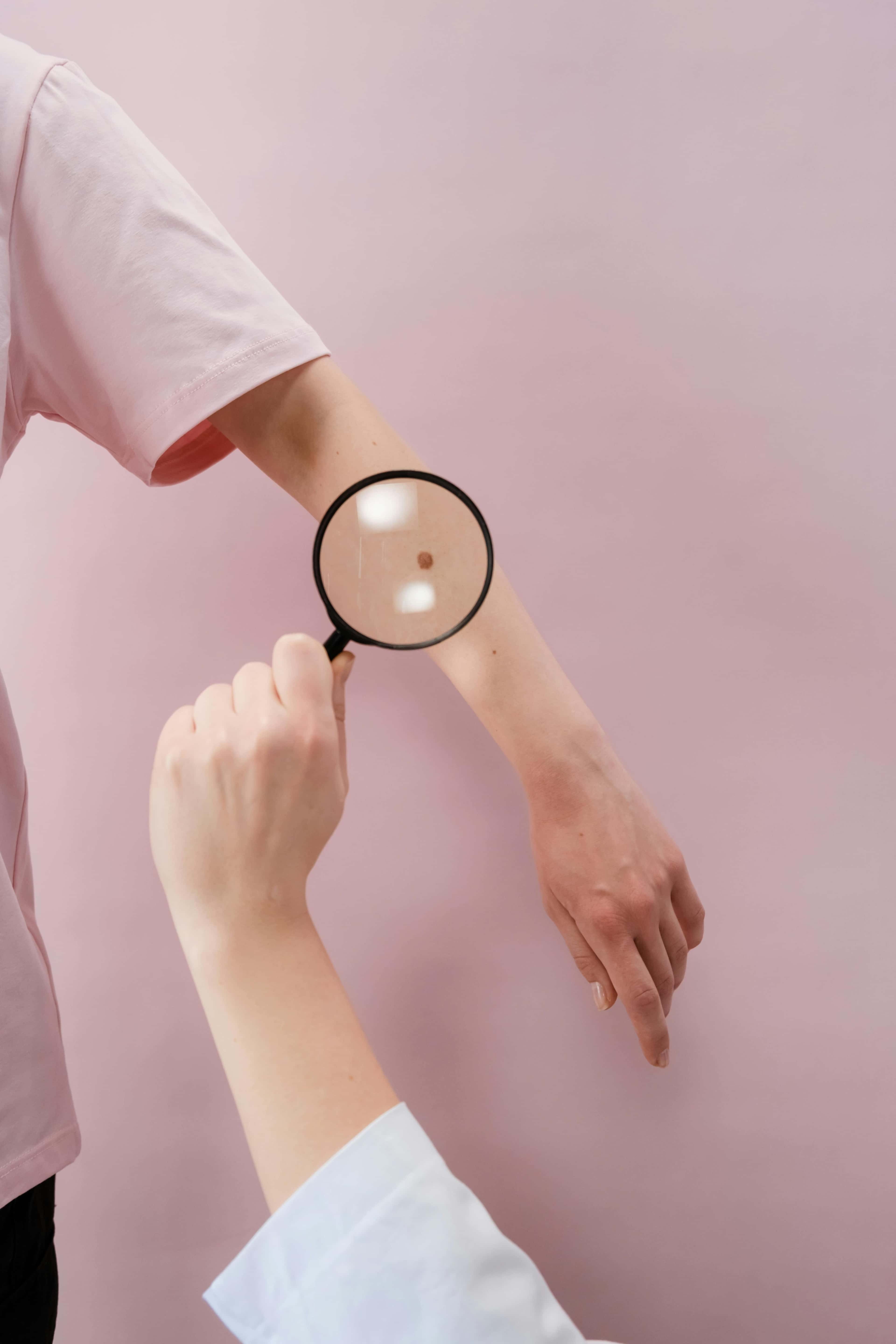
سرطان الخلايا القاعدية: سرطان الجلد الأكثر شيوعًا
30 Sep, 2024
 هيلث تريب
As we bask in the warmth of the sun, our skin, the largest organ of our body, is exposed to harmful ultraviolet (UV) radiation, increasing our risk of developing skin cancer. While there are several types of skin cancer, one stands out as the most common: basal cell carcinoma. It's a diagnosis that affects millions of people worldwide, and yet, it's often misunderstood. In this article, we'll delve into the world of basal cell carcinoma, exploring its causes, symptoms, diagnosis, treatment options, and most importantly, how to prevent it.
What is Basal Cell Carcinoma?
Basal cell carcinoma, also known as BCC, is a type of skin cancer that develops from the basal cells in the outermost layer of the skin, the epidermis. These cells are responsible for producing the skin's natural moisturizer, sebum. BCC typically appears as a shiny bump or a flat, scaly patch on the skin, often in areas exposed to the sun, such as the face, ears, neck, and hands. While it's the most common type of skin cancer, accounting for about 80% of all skin cancer cases, it's also the least aggressive, rarely spreading to other parts of the body.
الإجراءات الأكثر شعبية في الهند





Risk Factors
So, what increases our risk of developing basal cell carcinoma? The answer lies in a combination of genetic and environmental factors. People with fair skin, light hair, and light eyes are more susceptible, as they have less melanin to protect their skin from UV radiation. Spending time outdoors, especially during peak sun hours (10am-4pm), without proper protection, significantly increases the risk. Additionally, tanning beds, which emit UV radiation, are a major contributor to BCC. Other risk factors include a history of sunburns, especially in childhood, and a family history of skin cancer.
Symptoms and Diagnosis
The symptoms of basal cell carcinoma can be subtle, making it essential to perform regular self-examinations. Look out for:

العلاجات الصحية
امنح نفسك الوقت للاسترخاء
أقل الأسعار مضمونة!

أقل الأسعار مضمونة!
- A new growth or a change in an existing mole or skin lesion
- A shiny bump or a flat, scaly patch on the skin
- A sore that doesn't heal or returns after healing
- A patch of skin that's pale, waxy, or translucent
If you notice any of these symptoms, consult a dermatologist, who will perform a physical examination and may conduct a biopsy to confirm the diagnosis. Early detection is crucial, as it allows for more effective treatment and reduces the risk of complications.
Treatment Options
Treatment for basal cell carcinoma usually involves removing the cancerous cells and a small margin of healthy tissue surrounding them. The most common methods include:
- Surgical excision: Removing the tumor and some surrounding tissue through surgery
- Cryosurgery: Freezing the cancer cells with liquid nitrogen
- Topical treatments: Applying creams or ointments to the affected area
- Mohs surgery: A specialized surgical technique that removes the tumor layer by layer
In some cases, radiation therapy may be necessary, especially if the cancer has spread to other areas or if the patient is unable to undergo surgery.
Prevention is Key
While basal cell carcinoma is a common diagnosis, it's also one of the most preventable types of skin cancer. By taking simple steps, you can significantly reduce your risk:
679 المرضى من الهند اختر هذه الحزمة لهم باقة زراعة الكبد

- Wear protective clothing, including a wide-brimmed hat and long-sleeved shirts, when spending time outdoors
- Apply a broad-spectrum sunscreen with an SPF of at least 30 daily, reapplying every two hours or immediately after swimming or sweating
- Seek shade, especially during peak sun hours
- Avoid tanning beds and artificial tanning devices
- Perform regular self-examinations to detect any changes in your skin
By being sun-smart and taking proactive steps, you can enjoy the sun's warmth while protecting your skin from the harmful effects of UV radiation.
أشهر حزم العافية





المدونات ذات الصلة
سرطان الجلد: فهم المخاطر والوقاية
دليل لفهم مخاطر سرطان الجلد واستراتيجيات الوقاية والمبكر
العدو غير المرئي: ظهور سرطان الخلايا الحرشفية
سرطان الخلايا الحرشفية هو نوع من السرطان الذي يؤثر
المعركة التي لا تلين: المعركة ضد سرطان الجلد
سرطان الجلد هو نوع من السرطان الذي يؤثر على
سرطان الغدد الليمفاوية التائية الجلدية: سرطان الجلد
سرطان الغدد الليمفاوية الخلايا الجلدية هو نوع من السرطان الذي يؤثر
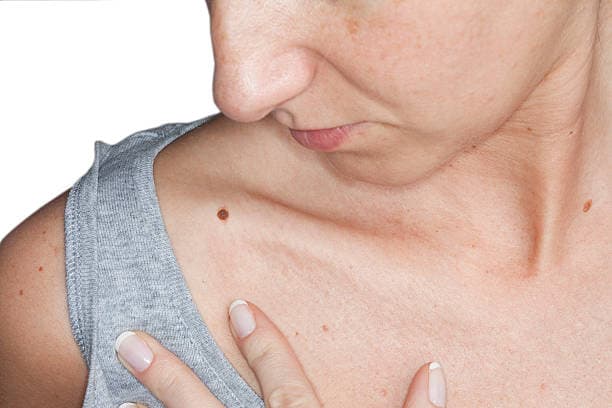
استكشاف أنواع سرطان الجلد الرئيسية الثلاثة
يعد سرطان الجلد مشكلة صحية منتشرة في جميع أنحاء العالم، حيث يعاني من
استكشاف الخيارات الفعالة لعلاج سرطان الجلد الميلانيني
سرطان الجلد الميلانيني هو حالة خطيرة وربما تهدد الحياة