ከባለፈው ዝርዝር እንደጀምር
$6000
የሜዳው ተጠቃሚ ለመምረጥ በማንበብ እርዳታ እስከ ሞልተው አስተዋወቅ?
የምስራቅ ምርመራዎችም በእኛ ተመልከቱ
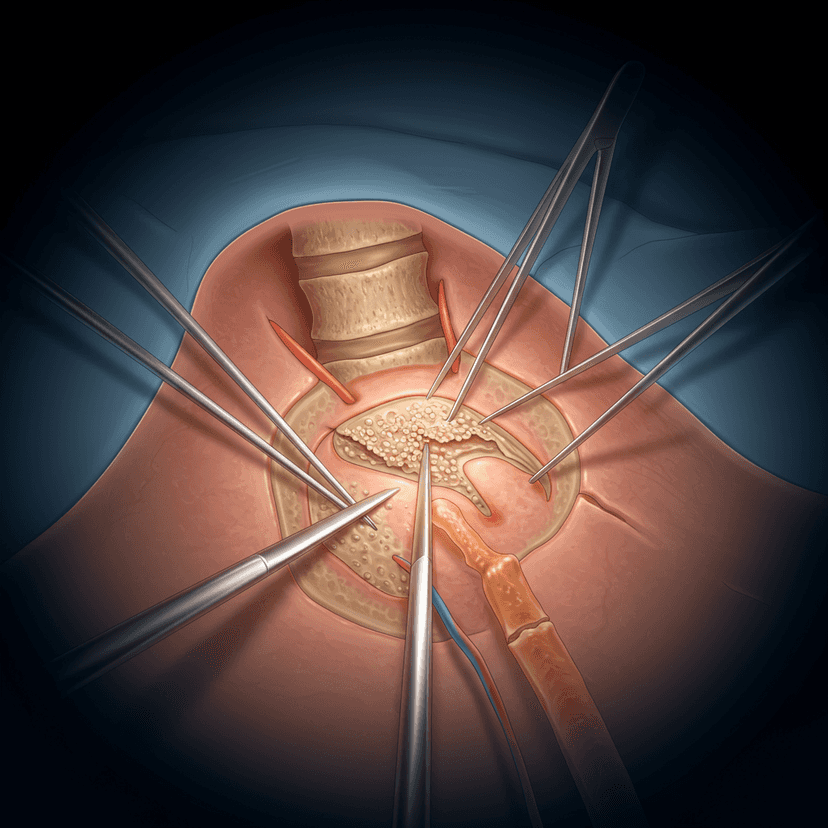
በመቀየር ሕይወት lumbar ብልሹ ቀዶ ጥገና
An Overview
Lumbar decompression surgery, also known as decompressive laminectomy, is a common surgical procedure designed to relieve pressure on the spinal cord or nerves in the lower back (lumbar spine). This pressure can result from conditions such as spinal stenosis, herniated discs, or degenerative disc disease, which can cause chronic pain, numbness, weakness, and difficulty with mobility.
Indications
Spinal Stenosis: Narrowing of the spinal canal that compresses the nerves.
- Herniated Disc: A condition where the intervertebral disc bulges out, pressing on nerves.
- Degenerative Disc Disease: The breakdown of discs between the vertebrae leading to nerve compression.
- Spondylolisthesis: A condition where one vertebra slips over the one below it.
Procedure
1. Preparation: Patients receive general anesthesia to ensure comfort during the procedure.
2. Incision: A small incision is made in the lower back over the affected area.
3. Laminectomy: The surgeon removes a portion of the vertebra called the lamina to create more space and relieve pressure on the spinal cord or nerves.
4. Foraminotomy: The surgeon may also enlarge the foramina (the openings through which nerve roots exit the spine) if they are narrowed.
5. Discectomy (if needed): If a herniated disc is causing the compression, the protruding part of the disc may be removed.
6. Closure: The incision is closed with sutures or staples, and a sterile dressing is applied.
Recovery
- Hospital Stay: Patients may stay in the hospital for one to a few days, depending on their condition and recovery speed.
- Pain Management: Pain medications are provided to ensure comfort.
- Physical Therapy: Rehabilitation exercises are often recommended to restore strength and mobility.
- Activity Guidelines: Patients are advised on safe activities to ensure a smooth recovery, including avoiding heavy lifting, bending, and twisting for several weeks.
Positive Outcomes
Most patients experience significant relief from pain and improved mobility following lumbar decompression surgery. The procedure has a high success rate for alleviating symptoms caused by nerve compression in the lower back, leading to enhanced quality of life and increased physical activity levels.
Lumbar decompression surgery is a well-established and effective procedure, offering a pathway to a more comfortable and active life for those experiencing lower back nerve compression.
4.0
93% የተገመተ ዋጋ ለገንዘብ
እኛን አስተያየታችንን?

98%
የታሰበው አስር ርቀት

0
lumbar ብልሹ ቀዶ ጥገና እርሱን የቀዶ ጥገኞች

0
lumbar ብልሹ ቀዶ ጥገና

0
በላይ የሚኖሩ ሆስፒታሎች

0
የተነኩ ሕይወቶች
እይታ
An Overview
Lumbar decompression surgery, also known as decompressive laminectomy, is a common surgical procedure designed to relieve pressure on the spinal cord or nerves in the lower back (lumbar spine). This pressure can result from conditions such as spinal stenosis, herniated discs, or degenerative disc disease, which can cause chronic pain, numbness, weakness, and difficulty with mobility.
Indications
Spinal Stenosis: Narrowing of the spinal canal that compresses the nerves.
- Herniated Disc: A condition where the intervertebral disc bulges out, pressing on nerves.
- Degenerative Disc Disease: The breakdown of discs between the vertebrae leading to nerve compression.
- Spondylolisthesis: A condition where one vertebra slips over the one below it.
Procedure
1. Preparation: Patients receive general anesthesia to ensure comfort during the procedure.
2. Incision: A small incision is made in the lower back over the affected area.
3. Laminectomy: The surgeon removes a portion of the vertebra called the lamina to create more space and relieve pressure on the spinal cord or nerves.
4. Foraminotomy: The surgeon may also enlarge the foramina (the openings through which nerve roots exit the spine) if they are narrowed.
5. Discectomy (if needed): If a herniated disc is causing the compression, the protruding part of the disc may be removed.
6. Closure: The incision is closed with sutures or staples, and a sterile dressing is applied.
Recovery
- Hospital Stay: Patients may stay in the hospital for one to a few days, depending on their condition and recovery speed.
- Pain Management: Pain medications are provided to ensure comfort.
- Physical Therapy: Rehabilitation exercises are often recommended to restore strength and mobility.
- Activity Guidelines: Patients are advised on safe activities to ensure a smooth recovery, including avoiding heavy lifting, bending, and twisting for several weeks.
Positive Outcomes
Most patients experience significant relief from pain and improved mobility following lumbar decompression surgery. The procedure has a high success rate for alleviating symptoms caused by nerve compression in the lower back, leading to enhanced quality of life and increased physical activity levels.
Lumbar decompression surgery is a well-established and effective procedure, offering a pathway to a more comfortable and active life for those experiencing lower back nerve compression.