ከባለፈው ዝርዝር እንደጀምር
$2000
የሜዳው ተጠቃሚ ለመምረጥ በማንበብ እርዳታ እስከ ሞልተው አስተዋወቅ?
የምስራቅ ምርመራዎችም በእኛ ተመልከቱ
በመቀየር ሕይወት RIRS
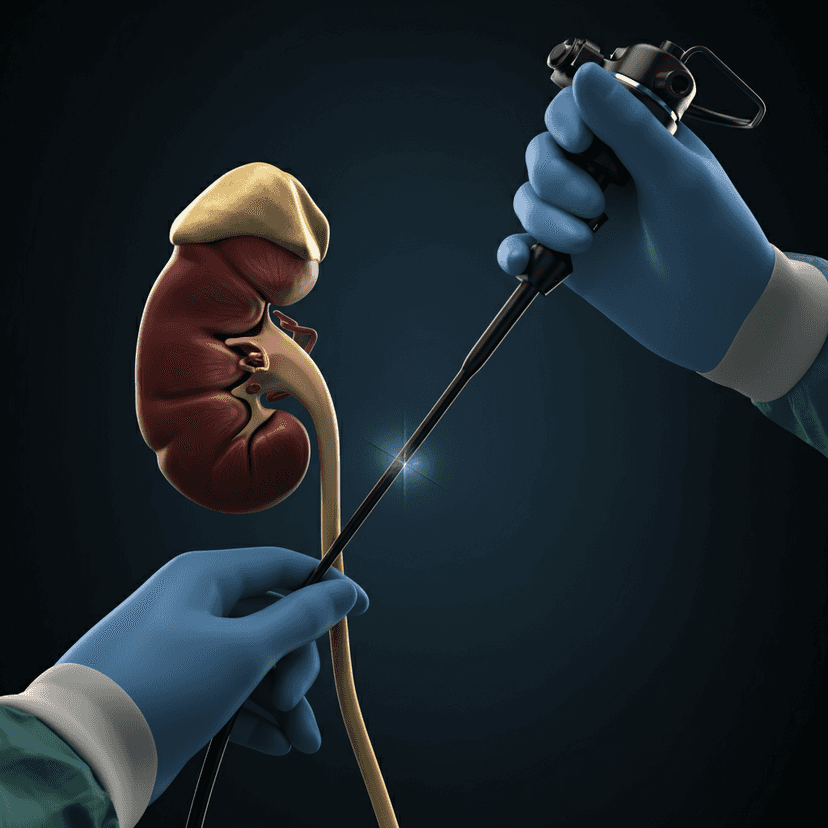
Retrograde Intrarenal Surgery (RIRS) is a minimally invasive procedure used to treat kidney stones. It involves the use of a flexible ureteroscope, which is a thin, flexible endoscopic instrument that is inserted through the urethra, passed through the bladder, and then into the ureter and kidney. This technique allows the surgeon to directly visualize and access the stones inside the kidney without making any incisions.
During RIRS, the ureteroscope is equipped with a camera and instruments that can fragment the stones using laser or pneumatic energy. Once the stones are broken into smaller pieces, they can be removed or left to pass out of the body in the urine. RIRS is particularly useful for stones that are too large to pass on their own, located in areas difficult to reach with other treatments, or when other methods such as extracorporeal shock wave lithotripsy (ESWL) are not suitable.
This procedure is favored for its minimal invasiveness, which typically results in less pain and shorter recovery time compared to open surgery. It's also associated with a high success rate in removing stones and a low risk of complications. After the procedure, patients may experience mild discomfort and are usually advised to drink plenty of fluids to facilitate stone passage. Regular follow-up is necessary to monitor for any remaining stone fragments and ensure the health of the urinary tract.
4.0
95% የተገመተ ዋጋ ለገንዘብ
እኛን አስተያየታችንን?

95%
የታሰበው አስር ርቀት

13+
RIRS እርሱን የቀዶ ጥገኞች

14+
RIRS

32+
በላይ የሚኖሩ ሆስፒታሎች

48+
የተነኩ ሕይወቶች
እይታ
Retrograde Intrarenal Surgery (RIRS) is a minimally invasive procedure used to treat kidney stones. It involves the use of a flexible ureteroscope, which is a thin, flexible endoscopic instrument that is inserted through the urethra, passed through the bladder, and then into the ureter and kidney. This technique allows the surgeon to directly visualize and access the stones inside the kidney without making any incisions.
During RIRS, the ureteroscope is equipped with a camera and instruments that can fragment the stones using laser or pneumatic energy. Once the stones are broken into smaller pieces, they can be removed or left to pass out of the body in the urine. RIRS is particularly useful for stones that are too large to pass on their own, located in areas difficult to reach with other treatments, or when other methods such as extracorporeal shock wave lithotripsy (ESWL) are not suitable.
This procedure is favored for its minimal invasiveness, which typically results in less pain and shorter recovery time compared to open surgery. It's also associated with a high success rate in removing stones and a low risk of complications. After the procedure, patients may experience mild discomfort and are usually advised to drink plenty of fluids to facilitate stone passage. Regular follow-up is necessary to monitor for any remaining stone fragments and ensure the health of the urinary tract.






ዶክተርዎች