ከባለፈው ዝርዝር እንደጀምር
የሜዳው ተጠቃሚ ለመምረጥ በማንበብ እርዳታ እስከ ሞልተው አስተዋወቅ?
የምስራቅ ምርመራዎችም በእኛ ተመልከቱ
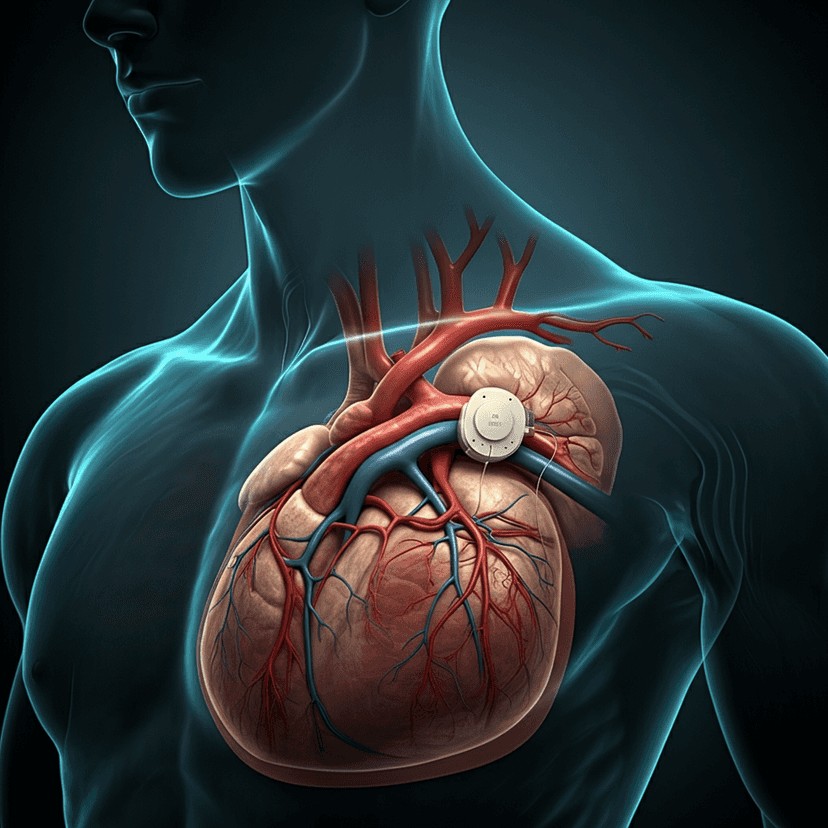
በመቀየር ሕይወት ፒፒአይ-ቋሚ የልብ ምቶች መትከል
Introduction
In the realm of modern medicine, technological advancements have paved the way for innovative treatments and life-saving interventions. One such marvel is the Permanent Pacemaker Implant (PPI), a small device that has revolutionized the management of heart rhythm disorders. This blog explores the significance of PPI, its evolution, and how it has transformed the lives of countless individuals.
Understanding Heart Rhythm Disorders
Before delving into the world of PPI, it's essential to understand heart rhythm disorders, also known as arrhythmias. These disorders disrupt the normal electrical signals in the heart, leading to irregular heartbeats. Arrhythmias can manifest as tachycardia (fast heart rate), bradycardia (slow heart rate), or irregular heartbeats, and they can have serious consequences, including fainting, heart failure, or even sudden cardiac arrest.
The Birth of PPI
The history of PPI dates back to the mid-20th century, when scientists and physicians began to understand the electrical properties of the heart. The first successful implantation of a permanent pacemaker took place in 1958 by Dr. Ake Senning in Sweden. This rudimentary device, which relied on external wires and bulky components, has since evolved into the sophisticated, miniaturized implants we use today.
How PPI Works
A PPI device consists of a small, battery-powered generator and one or more leads (thin wires) with electrodes. The generator is usually implanted just beneath the skin, usually near the collarbone, while the leads are threaded through a vein into the heart chambers. The generator continually monitors the heart's electrical activity, and when it detects an abnormal rhythm, it sends electrical impulses to stimulate the heart to beat at a normal rate.
Indications for PPI
PPI is primarily recommended for individuals who have significant bradycardia, a condition characterized by an excessively slow heart rate that can be life-threatening. Some common indications for PPI include:
- Sick Sinus Syndrome: This condition occurs when the heart's natural pacemaker (the sinus node) doesn't function properly, resulting in slow heart rates and irregular rhythms.
- Atrioventricular (AV) Block: When the electrical signals between the upper chambers (atria) and lower chambers (ventricles) of the heart are disrupted, PPI can help maintain a normal heart rate.
- Heart Block: This condition can occur as a result of various heart diseases and medications, leading to slow or irregular heart rhythms.
- Bradycardia-Induced Syncope: People who experience fainting (syncope) due to bradycardia may benefit from PPI to prevent life-threatening episodes.
Improving Quality of Life
PPI devices have transformed the lives of countless individuals suffering from debilitating arrhythmias. The benefits of PPI include:
- Improved Quality of Life: People who receive PPI often experience increased energy levels and a significant reduction in symptoms like fatigue, dizziness, and fainting.
- Enhanced Lifespan: PPI devices help extend the lives of those with bradycardia, reducing the risk of complications such as heart failure.
- Customized Therapy: Modern PPI devices are highly customizable, allowing physicians to tailor the therapy to each patient's unique needs.
- Remote Monitoring: Many PPI devices can be monitored remotely by healthcare providers, allowing for prompt adjustments and early detection of potential issues.
Challenges and Future Developments
Despite its remarkable success, PPI isn't without its challenges. Battery replacements are necessary every 5 to 15 years, and lead-related complications can arise over time. Researchers continue to work on improving device longevity, reducing the size of the implants, and minimizing potential complications.
The Future of PPI and Cardiac Care
As we look ahead, the field of cardiac care is set to witness exciting advancements in PPI technology and the management of heart rhythm disorders. Here are some of the key developments to anticipate:
- Leadless Pacemakers: Traditional PPI devices use leads that can sometimes lead to complications. Leadless pacemakers, which are implanted directly into the heart, are on the horizon. These devices eliminate the need for leads and reduce the risk of lead-related problems.
- Wireless Monitoring: Remote monitoring capabilities are likely to become more sophisticated, enabling real-time tracking of heart rhythm and device function. This allows healthcare providers to make timely adjustments, reducing the need for frequent in-person visits.
- Biological Pacemakers: Researchers are exploring the possibility of creating biological pacemakers using gene therapy or stem cell technology. These approaches aim to stimulate the heart's natural pacemaking cells, potentially eliminating the need for electronic devices altogether.
- Improved Battery Technology: Longer-lasting batteries and more energy-efficient designs will reduce the frequency of battery replacement surgeries, further enhancing patient convenience.
- Artificial Intelligence Integration: AI algorithms will play a crucial role in analyzing data from PPI devices, helping to predict and prevent arrhythmias and other heart-related issues.
- Personalized Medicine: Advancements in genetic testing and patient-specific therapies will allow for more tailored treatment plans, ensuring that PPI devices are optimized for each individual.
- Minimally Invasive Implantation: Continued efforts to refine implantation techniques will lead to less invasive procedures and shorter recovery times for patients.
Conclusion
The Permanent Pacemaker Implant is a testament to the incredible progress in medical technology. It has not only saved countless lives but also significantly improved the quality of life for those suffering from heart rhythm disorders. As technology advances further, we can expect even more innovative solutions to emerge, further enhancing our ability to manage and treat cardiac conditions. PPI remains a shining example of how innovation and medical expertise continue to work hand in hand, shaping a healthier future for us all. While challenges and complications may persist, the dedication of healthcare professionals and researchers ensures that PPI devices will continue to evolve, becoming even safer and more effective. This progress reminds us that the marriage of medical expertise and technological innovation has the power to transform healthcare and offer new lease on life for countless individuals. As we move forward, it is crucial to stay informed about these advancements and support ongoing research in the field of cardiac care, ensuring that patients continue to benefit from the best possible treatments and technologies.
4.0
92% የተገመተ ዋጋ ለገንዘብ
እኛን አስተያየታችንን?

96%
የታሰበው አስር ርቀት

1+
ፒፒአይ-ቋሚ የልብ ምቶች መትከል እርሱን የቀዶ ጥገኞች

1+
ፒፒአይ-ቋሚ የልብ ምቶች መትከል

1+
በላይ የሚኖሩ ሆስፒታሎች

3+
የተነኩ ሕይወቶች
እይታ
Introduction
In the realm of modern medicine, technological advancements have paved the way for innovative treatments and life-saving interventions. One such marvel is the Permanent Pacemaker Implant (PPI), a small device that has revolutionized the management of heart rhythm disorders. This blog explores the significance of PPI, its evolution, and how it has transformed the lives of countless individuals.
Understanding Heart Rhythm Disorders
Before delving into the world of PPI, it's essential to understand heart rhythm disorders, also known as arrhythmias. These disorders disrupt the normal electrical signals in the heart, leading to irregular heartbeats. Arrhythmias can manifest as tachycardia (fast heart rate), bradycardia (slow heart rate), or irregular heartbeats, and they can have serious consequences, including fainting, heart failure, or even sudden cardiac arrest.
The Birth of PPI
The history of PPI dates back to the mid-20th century, when scientists and physicians began to understand the electrical properties of the heart. The first successful implantation of a permanent pacemaker took place in 1958 by Dr. Ake Senning in Sweden. This rudimentary device, which relied on external wires and bulky components, has since evolved into the sophisticated, miniaturized implants we use today.
How PPI Works
A PPI device consists of a small, battery-powered generator and one or more leads (thin wires) with electrodes. The generator is usually implanted just beneath the skin, usually near the collarbone, while the leads are threaded through a vein into the heart chambers. The generator continually monitors the heart's electrical activity, and when it detects an abnormal rhythm, it sends electrical impulses to stimulate the heart to beat at a normal rate.
Indications for PPI
PPI is primarily recommended for individuals who have significant bradycardia, a condition characterized by an excessively slow heart rate that can be life-threatening. Some common indications for PPI include:
- Sick Sinus Syndrome: This condition occurs when the heart's natural pacemaker (the sinus node) doesn't function properly, resulting in slow heart rates and irregular rhythms.
- Atrioventricular (AV) Block: When the electrical signals between the upper chambers (atria) and lower chambers (ventricles) of the heart are disrupted, PPI can help maintain a normal heart rate.
- Heart Block: This condition can occur as a result of various heart diseases and medications, leading to slow or irregular heart rhythms.
- Bradycardia-Induced Syncope: People who experience fainting (syncope) due to bradycardia may benefit from PPI to prevent life-threatening episodes.
Improving Quality of Life
PPI devices have transformed the lives of countless individuals suffering from debilitating arrhythmias. The benefits of PPI include:
- Improved Quality of Life: People who receive PPI often experience increased energy levels and a significant reduction in symptoms like fatigue, dizziness, and fainting.
- Enhanced Lifespan: PPI devices help extend the lives of those with bradycardia, reducing the risk of complications such as heart failure.
- Customized Therapy: Modern PPI devices are highly customizable, allowing physicians to tailor the therapy to each patient's unique needs.
- Remote Monitoring: Many PPI devices can be monitored remotely by healthcare providers, allowing for prompt adjustments and early detection of potential issues.
Challenges and Future Developments
Despite its remarkable success, PPI isn't without its challenges. Battery replacements are necessary every 5 to 15 years, and lead-related complications can arise over time. Researchers continue to work on improving device longevity, reducing the size of the implants, and minimizing potential complications.
The Future of PPI and Cardiac Care
As we look ahead, the field of cardiac care is set to witness exciting advancements in PPI technology and the management of heart rhythm disorders. Here are some of the key developments to anticipate:
- Leadless Pacemakers: Traditional PPI devices use leads that can sometimes lead to complications. Leadless pacemakers, which are implanted directly into the heart, are on the horizon. These devices eliminate the need for leads and reduce the risk of lead-related problems.
- Wireless Monitoring: Remote monitoring capabilities are likely to become more sophisticated, enabling real-time tracking of heart rhythm and device function. This allows healthcare providers to make timely adjustments, reducing the need for frequent in-person visits.
- Biological Pacemakers: Researchers are exploring the possibility of creating biological pacemakers using gene therapy or stem cell technology. These approaches aim to stimulate the heart's natural pacemaking cells, potentially eliminating the need for electronic devices altogether.
- Improved Battery Technology: Longer-lasting batteries and more energy-efficient designs will reduce the frequency of battery replacement surgeries, further enhancing patient convenience.
- Artificial Intelligence Integration: AI algorithms will play a crucial role in analyzing data from PPI devices, helping to predict and prevent arrhythmias and other heart-related issues.
- Personalized Medicine: Advancements in genetic testing and patient-specific therapies will allow for more tailored treatment plans, ensuring that PPI devices are optimized for each individual.
- Minimally Invasive Implantation: Continued efforts to refine implantation techniques will lead to less invasive procedures and shorter recovery times for patients.
Conclusion
The Permanent Pacemaker Implant is a testament to the incredible progress in medical technology. It has not only saved countless lives but also significantly improved the quality of life for those suffering from heart rhythm disorders. As technology advances further, we can expect even more innovative solutions to emerge, further enhancing our ability to manage and treat cardiac conditions. PPI remains a shining example of how innovation and medical expertise continue to work hand in hand, shaping a healthier future for us all. While challenges and complications may persist, the dedication of healthcare professionals and researchers ensures that PPI devices will continue to evolve, becoming even safer and more effective. This progress reminds us that the marriage of medical expertise and technological innovation has the power to transform healthcare and offer new lease on life for countless individuals. As we move forward, it is crucial to stay informed about these advancements and support ongoing research in the field of cardiac care, ensuring that patients continue to benefit from the best possible treatments and technologies.
ሆስፒታልዎች

ዶክተርዎች

5.0
አማካሪዎች በ: