ከባለፈው ዝርዝር እንደጀምር
$5800
የሜዳው ተጠቃሚ ለመምረጥ በማንበብ እርዳታ እስከ ሞልተው አስተዋወቅ?
የምስራቅ ምርመራዎችም በእኛ ተመልከቱ
በመቀየር ሕይወት የ ASD መዘጋት ፔዲቲስትሪክ
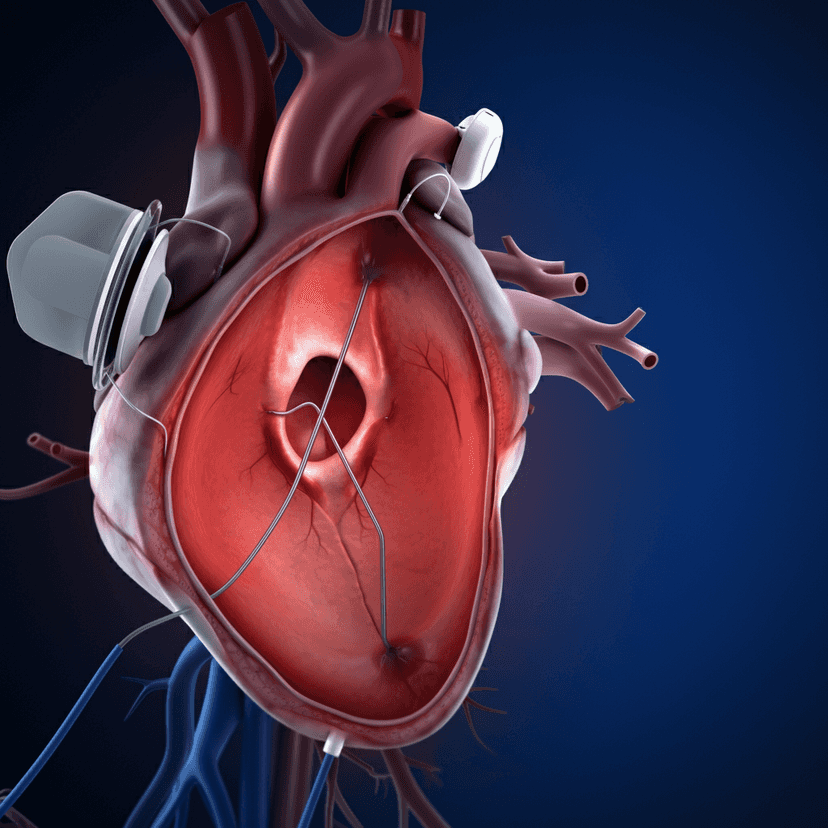
ASD (Atrial Septal Defect) closure in pediatrics is a medical procedure used to correct an atrial septal defect, which is a hole in the wall (septum) between the two upper chambers of the heart (atria). This hole can allow oxygen-rich blood to mix with oxygen-poor blood, causing an overcirculation of blood in the lungs and an overload on the heart.
Key Aspects of ASD Closure:
- Diagnosis: ASD is often detected through symptoms like breathlessness, fatigue, or heart murmurs, or incidentally during an echocardiogram for another reason.
- Methods of Closure: There are two main methods for closing an ASD:
- Catheter-based Procedure: A minimally invasive approach where a device is inserted through a catheter navigated from a vein in the leg up to the heart to plug the hole. This method is preferred due to its faster recovery and minimal scarring.
-Surgical Closure: Used when the defect is too large for a catheter-based approach or if additional cardiac repairs are needed. This involves open-heart surgery under general anesthesia and provides direct access to the heart for a complete repair.
Recovery and Outcomes:
-Catheter-based Closure: Typically involves a short hospital stay, with most children returning to normal activities within a few days.
- Surgical Closure: Requires a longer recovery period, with activities gradually resuming as the child heals.
Both methods are highly effective, with the majority of children leading normal, active lives post-procedure. Regular follow-up care is essential to monitor heart function and ensure the long-term success of the treatment.
4.0
91% የተገመተ ዋጋ ለገንዘብ
እኛን አስተያየታችንን?

95%
የታሰበው አስር ርቀት

2+
የ ASD መዘጋት ፔዲቲስትሪክ እርሱን የቀዶ ጥገኞች

0
የ ASD መዘጋት ፔዲቲስትሪክ

3+
በላይ የሚኖሩ ሆስፒታሎች

0
የተነኩ ሕይወቶች
እይታ
ASD (Atrial Septal Defect) closure in pediatrics is a medical procedure used to correct an atrial septal defect, which is a hole in the wall (septum) between the two upper chambers of the heart (atria). This hole can allow oxygen-rich blood to mix with oxygen-poor blood, causing an overcirculation of blood in the lungs and an overload on the heart.
Key Aspects of ASD Closure:
- Diagnosis: ASD is often detected through symptoms like breathlessness, fatigue, or heart murmurs, or incidentally during an echocardiogram for another reason.
- Methods of Closure: There are two main methods for closing an ASD:
- Catheter-based Procedure: A minimally invasive approach where a device is inserted through a catheter navigated from a vein in the leg up to the heart to plug the hole. This method is preferred due to its faster recovery and minimal scarring.
-Surgical Closure: Used when the defect is too large for a catheter-based approach or if additional cardiac repairs are needed. This involves open-heart surgery under general anesthesia and provides direct access to the heart for a complete repair.
Recovery and Outcomes:
-Catheter-based Closure: Typically involves a short hospital stay, with most children returning to normal activities within a few days.
- Surgical Closure: Requires a longer recovery period, with activities gradually resuming as the child heals.
Both methods are highly effective, with the majority of children leading normal, active lives post-procedure. Regular follow-up care is essential to monitor heart function and ensure the long-term success of the treatment.



ዶክተርዎች

5.0
አማካሪዎች በ: