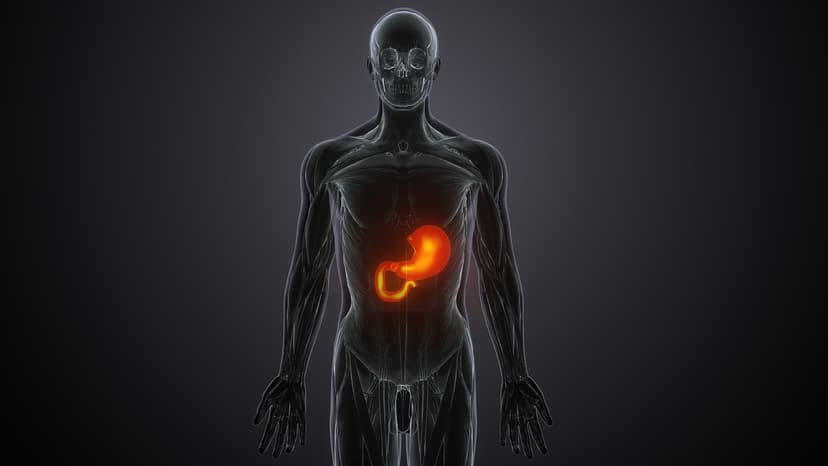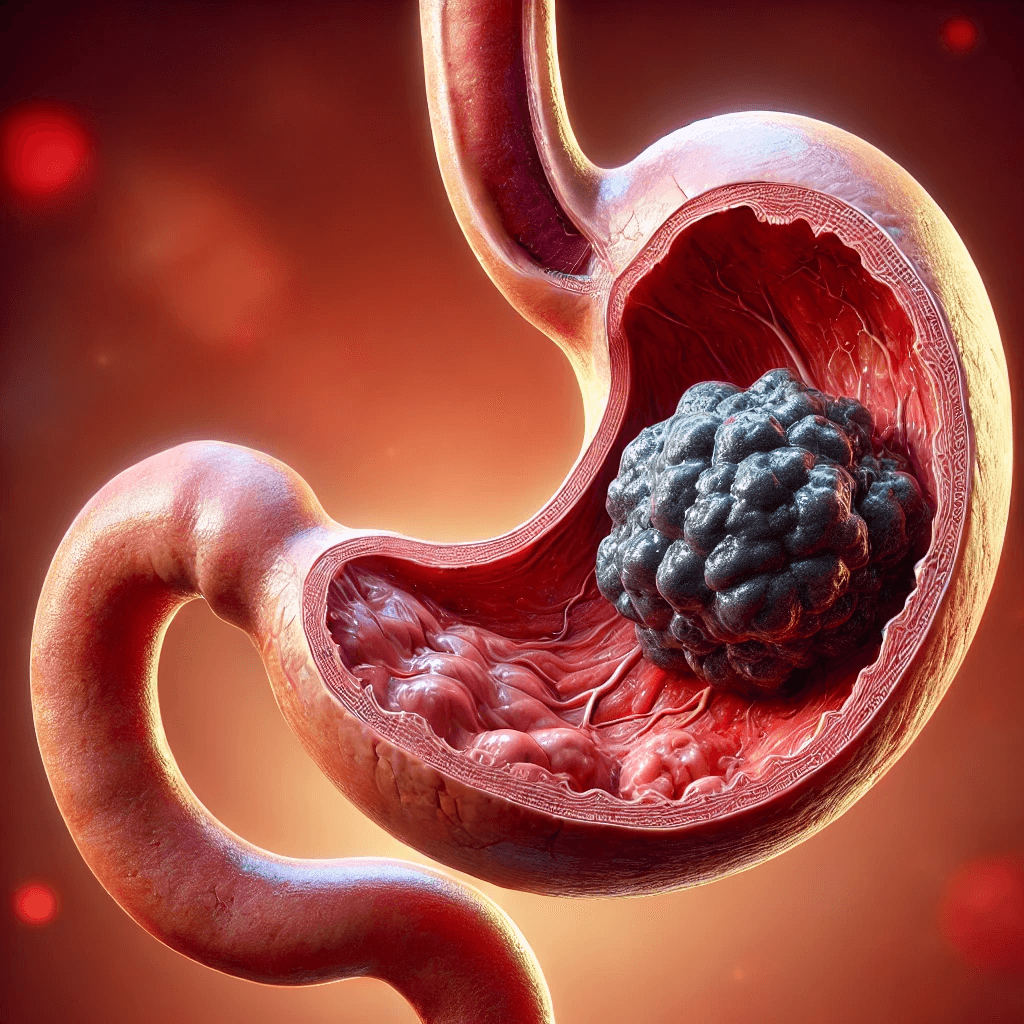
Diagnosis of Stomach Cancer
Diagnosing stomach cancer involves several steps to accurately identify the presence and stage of the disease. Here’s a detailed look at the common diagnostic procedures:
1. Medical History and Physical Exam
The process starts with your doctor asking about your medical history and any symptoms you’ve been experiencing. They’ll ask questions about your eating habits, family history of cancer, and any previous medical issues. A physical exam will follow, where the doctor checks for any signs of stomach cancer, such as lumps or tenderness in your abdomen.
One of the key tests for diagnosing stomach cancer is an upper endoscopy. During this procedure, you’ll be sedated, and a thin, flexible tube with a camera (endoscope) will be inserted through your mouth and down into your stomach. This lets the doctor visually inspect the lining of your stomach and take pictures. If they see any suspicious areas, they can take small tissue samples (biopsies) for further analysis.
The biopsy is a crucial step. The tissue samples taken during the endoscopy are examined under a microscope by a pathologist to check for cancer cells. This analysis can confirm whether or not you have stomach cancer and help determine the type and aggressiveness of the cancer.
Imaging tests provide detailed pictures of your stomach and help assess whether the cancer has spread. Common imaging tests include:
- CT Scan (Computed Tomography): This scan uses X-rays to create detailed cross-sectional images of your body. It helps to see if the cancer has spread to other organs.
- PET Scan (Positron Emission Tomography): For this test, a small amount of radioactive sugar is injected into your body. Cancer cells absorb the sugar more than normal cells do, making them light up on the scan.
- MRI (Magnetic Resonance Imaging): MRI uses magnets and radio waves to create detailed images of the stomach and surrounding tissues.
5. Blood Tests
Blood tests can provide additional information. A Complete Blood Count (CBC) might show if you have anaemia, which can sometimes be linked to stomach cancer. Other blood tests might check for tumor markers, substances that can be higher in people with certain types of cancer.
A barium swallow is a type of X-ray test. You’ll drink a liquid containing barium, which coats the lining of your stomach. This makes it easier to see abnormalities on X-rays. It helps the doctor see the shape and contour of your stomach and can highlight any irregularities.
In some cases, a laparoscopy might be necessary. This is a minimally invasive surgery where small incisions are made in your abdomen, and a laparoscope (a thin tube with a camera) is inserted. This allows the doctor to get a close look at your stomach and nearby organs. It’s particularly useful for determining if cancer has spread within the abdomen.
For some patients, especially those with a family history of stomach cancer or other cancers, genetic testing might be recommended. This can help identify inherited genetic mutations that increase the risk of stomach cancer, which can be important for treatment planning and for informing family members about their own risk.
By combining these diagnostic methods, doctors can get a comprehensive view of the presence, type, and stage of stomach cancer. This information is crucial for developing an effective treatment plan tailored to your specific needs. If you have any concerns or symptoms, it’s important to see a doctor promptly to begin this diagnostic process.
Treatment Options for Stomach Cancer in the UAE
Stomach cancer, or gastric cancer, is a serious condition that requires a comprehensive approach to treatment in the UAE. Treatment options typically encompass a range of strategies aimed at effectively managing the disease and improving patient outcomes.
a. Surgery: Surgical intervention is often the cornerstone of treatment for stomach cancer. The type of surgery recommended depends on several factors, including the location and stage of the cancer. Common surgical procedures include:
Lymphadenectomy: Removal of nearby lymph nodes is often
performed during gastrectomy to check for cancer spread and prevent its
further progression.Minimally Invasive Surgery: Techniques such as
laparoscopic or robotic-assisted surgery may be used when appropriate,
offering smaller incisions, faster recovery times, and reduced
postoperative complications.b. Chemotherapy: Chemotherapy utilizes powerful medications to destroy cancer cells or inhibit their growth. It plays a crucial role in treating stomach cancer and is administered in different ways:
Adjuvant Chemotherapy: Administered after surgery to eliminate any remaining cancer cells and reduce the risk of recurrence.
Palliative Chemotherapy: Used in advanced stages to alleviate symptoms and improve quality of life.
Chemotherapy drugs are selected based on the specific characteristics of the cancer and the patient's overall health.
c. Radiation Therapy: Radiation therapy uses high-energy X-rays or other particles to target and destroy cancer cells. It may be used in combination with surgery and chemotherapy to:
- Shrink tumours before surgery (neoadjuvant therapy).
- Eliminate remaining cancer cells after surgery (adjuvant therapy).
- Control symptoms and improve quality of life in cases where surgery is not an option.
Radiation therapy is carefully planned to minimize damage to surrounding healthy tissue while effectively targeting cancerous cells.
In addition to these primary treatment modalities, advanced therapies like targeted therapy and immunotherapy may also be considered for certain types of stomach cancer:
d. Targeted Therapy: Targets specific molecules or pathways involved in the growth and survival of cancer cells. It can be used when cancer cells have specific genetic mutations or overexpress certain proteins.
e. Immunotherapy: Boosts the body's immune system to recognize and attack cancer cells more effectively. It may be used alone or in combination with other treatments, particularly for advanced stages of stomach cancer.
Treatment plans for stomach cancer in the UAE are personalized based on individual patient factors such as the stage of cancer, overall health, and treatment goals. For individuals diagnosed with stomach cancer in the UAE, timely consultation with oncologists and specialists is crucial for determining the most appropriate treatment strategy. By leveraging these advanced treatment options, patients can achieve improved outcomes and quality of life.
Leading Hospitals in the UAE for Stomach Cancer Treatment:
- Established Year: 2013
- Location: Sheikh Zayed Rd - Al BarshaAl Barsha 1 - Dubai - United Arab Emirates
About The Hospital:
- Total Number of Beds: 187
- Operation Theatres: 7
- Number of Surgeons: 1
- Located on Sheikh Zayed Road, with Joint Commission International accreditation.
- Offers a wide range of health services with a focus on evidence-based medicine.
- Equipped with advanced technology.
- Highly equipped ambulance services accredited by DCAS (Dubai Cooperation for Ambulance Service) and RTA Level 5.
- Patient rooms are designed for maximum comfort, including luxurious VIP rooms with stunning views of Dubai's landmarks.
- Committed to providing world-class healthcare with exceptional hospitality.
- Al
Zahra Hospital in Dubai offers a comprehensive range of medical
treatments across various specialities, including aesthetic procedures,
advanced therapies, surgery, cardiology, neurology, obstetrics, and
more. With a skilled team and state-of-the-art facilities, the hospital
provides top-quality healthcare services to meet diverse patient needs.
- Established Year: 1974
- Location: 16th St - Khalifa City SE-4 - Abu Dhabi - United Arab Emirates, United Arab Emirates
About The Hospital:
- NMC
Royal Hospital is a premier healthcare facility in Abu Dhabi, equipped
with advanced technology and staffed by medical professionals trained in
global healthcare practices.
- It provides high-quality healthcare services to patients not only in the capital but also from across the UAE and GCC.
- Strategically
located in Khalifa City, it serves the growing populations of various
Abu Dhabi suburbs, including Al Raha, Mussafah, Mohammed bin Zayed City,
Masdar City, Abu Dhabi International Airport, Shahama, and Yas Island.
- Total Number of Beds: 500
- Number of Surgeons: 12
- The
hospital features state-of-the-art critical care units, including a
dedicated cardiac unit with round-the-clock intensivist cover.
- A
team of over 90 doctors, including 32 consultants and 28 specialists,
is primarily Western qualified, ensuring high medical standards.
- The
medical program at NMC Royal Hospital focuses on Cardiac Sciences,
Emergency Medicine & Critical Care, Mother and Child Health,
Gastroenterology and Hepatology, and Neuro Sciences.
- The
hospital boasts advanced medical technology, including a hybrid
operating theatre, a 3 Tesla MRI unit, a 256-slice CT scanner, and an
automated laboratory system.
- It has 53 critical care beds and offers the region's first NICU and PICU combination in the private sector.
- NMC
Royal Hospital specializes in providing comprehensive clinical care,
including a detailed chronic disease management program.
- The
hospital offers a wide range of medical specialities, including Oncology,
Orthopedics, Cardiology, Nephrology & Urology, ENT, and GI &
Bariatric.
- NMC Royal Hospital, Abu Dhabi, is committed to
delivering exceptional healthcare services and is a prominent healthcare
destination in the region.
How can HealthTrip assist with your treatment?
If you're seeking Stomach Cancer Treatment , let HealthTrip be your compass. We support you throughout your medical journey with the following:
- Access to top doctors in 38+ countries and the largest health travel platform.
- Partnerships with 1500+ hospitals , including Fortis, Medanta, and more.
- Treatments in neuro, cardiac care, transplants, aesthetics, and wellness.
- Post-treatment care and assistance.
- Teleconsultations with leading doctors at $1/minute.
- Over 61K patients served.
- Access Top treatments and packages , such as Angiograms and many more.
- Gain insights from genuine patient experiences and testimonials .
- Stay updated with our medical blog .
- 24/7 unwavering support, from hospital formalities to travel arrangements or emergencies.
Hear from our satisfied patients
Treating stomach cancer in the UAE combines advanced medical treatments like surgery, chemotherapy, and radiation therapy tailored to individual needs. Expert oncologists and multidisciplinary teams at leading hospitals ensure comprehensive care and support throughout the treatment journey. With a focus on personalized treatment plans and cutting-edge therapies, patients can achieve optimal outcomes and improved quality of life. Trust in the expertise of healthcare professionals in the UAE to guide you through every step of managing stomach cancer effectively.