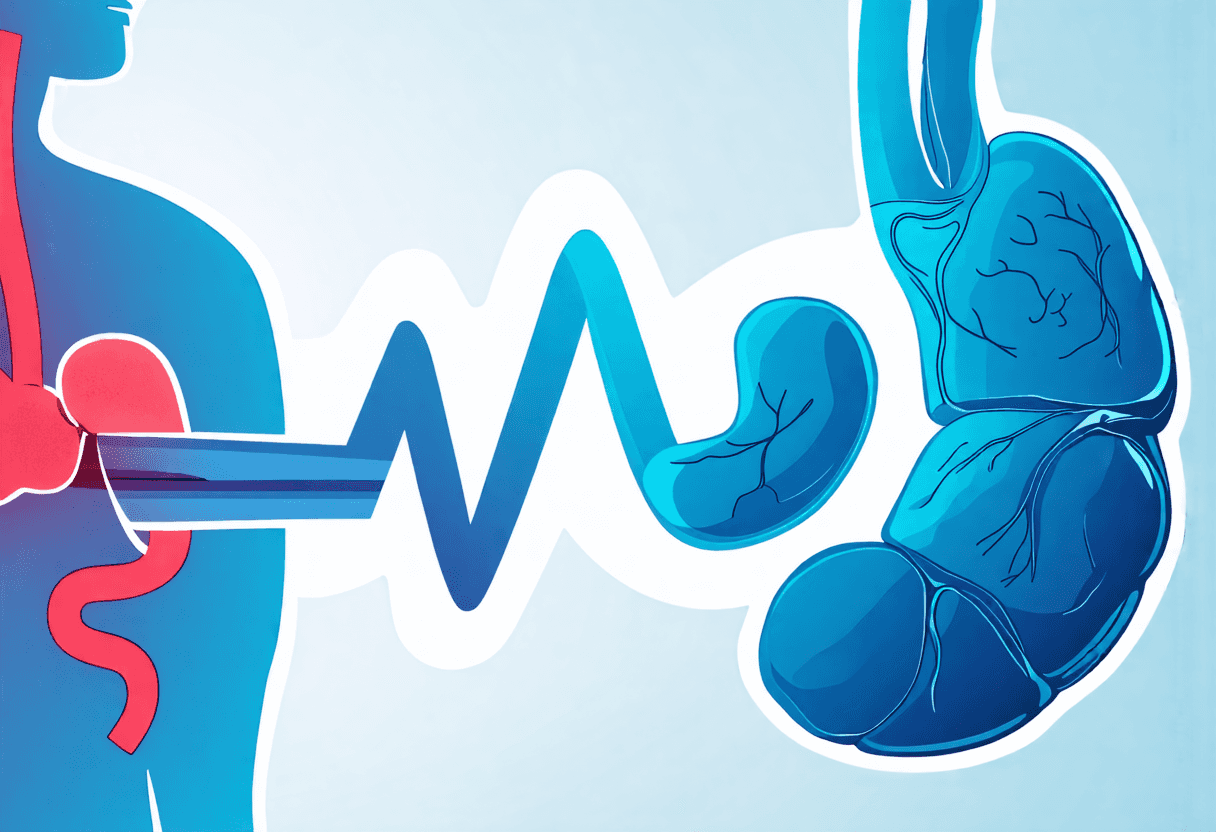
የሆድ ካንሰር ምርመራ፡ ምልክቶች፣ ፈተናዎች እና ደረጃዎች
18 Oct, 2024
 የጤና ጉዞ
Receiving a diagnosis of stomach cancer can be a life-altering experience, leaving you feeling overwhelmed and uncertain about the future. But with advancements in medical technology and treatment options, it's essential to understand the diagnosis process, symptoms, and stages of stomach cancer to make informed decisions about your care. In this article, we'll delve into the world of stomach cancer diagnosis, exploring the common symptoms, diagnostic tests, and stages of this disease, empowering you to take control of your health.
Understanding Stomach Cancer Symptoms
Stomach cancer, also known as gastric cancer, often develops silently, with symptoms only appearing in the advanced stages. However, being aware of the potential signs can help you identify the disease early, increasing the chances of successful treatment. Some common symptoms of stomach cancer include indigestion, nausea, vomiting, bloating, and discomfort or pain in the upper abdomen. You may also experience weight loss, loss of appetite, and fatigue. It's crucial to remember that these symptoms can be similar to those of other conditions, so consulting a doctor is vital for an accurate diagnosis.
በ ውስጥ በጣም ታዋቂ ሂደቶች ሕንድ


The Importance of Early Detection
Early detection is critical in stomach cancer diagnosis, as it significantly improves treatment outcomes. If you're experiencing persistent or severe symptoms, don't hesitate to consult a doctor. They will evaluate your symptoms, medical history, and perform a physical examination to determine the best course of action. Remember, early detection can make a significant difference in your prognosis and quality of life.
Diagnostic Tests for Stomach Cancer
Once your doctor suspects stomach cancer, they will order a series of diagnostic tests to confirm the diagnosis and determine the extent of the disease. These tests may include:

የጤንነት ሕክምናዎች
ለራስህ ዘና ለማለት ጊዜ ስጥ
በጣም ዝቅተኛ ዋጋዎች የተረጋገጠ!

በጣም ዝቅተኛ ዋጋዎች የተረጋገጠ!
Endoscopy and Biopsy
An endoscopy involves inserting a flexible tube with a camera and light on the end into your mouth and down into your stomach. This allows your doctor to visually examine your stomach lining and take tissue samples (biopsy) for further examination. The biopsy will help determine if cancer cells are present and the type of cancer.
Imaging Tests
Imaging tests, such as computed tomography (CT) scans, magnetic resonance imaging (MRI) scans, or positron emission tomography (PET) scans, help your doctor visualize the stomach and surrounding tissues. These tests can detect tumors, determine their size, and identify any metastases (cancer spread) to other parts of the body.
Blood Tests
Blood tests can help identify tumor markers, such as carcinoembryonic antigen (CEA) or carbohydrate antigen 19-9 (CA 19-9), which are often elevated in people with stomach cancer. These tests can also detect anemia, a common complication of stomach cancer.
Stages of Stomach Cancer
Once diagnosed, your doctor will stage your stomach cancer to determine the extent of the disease. The TNM staging system is commonly used, which considers the tumor size (T), lymph node involvement (N), and metastases (M). The stages of stomach cancer are:
744 ታካሚዎች ከ ሕንድ ይህንን ጥቅል ለእነሱ ይምረጡ የጉበት ትራንስፕላንት ጥቅል

Stage 0: Carcinoma in Situ
In this stage, cancer cells are confined to the stomach lining and have not invaded deeper tissues.
Stage I: Early Stomach Cancer
The tumor is limited to the stomach lining and has invaded the submucosa (a layer of tissue beneath the lining).
Stage II: Locally Advanced Stomach Cancer
The tumor has invaded the muscularis propria (a layer of muscle) or the serosa (the outer layer of the stomach) and may have spread to nearby lymph nodes.
Stage III: Advanced Stomach Cancer
The tumor has invaded the serosa and has spread to more distant lymph nodes or organs.
Stage IV: Metastatic Stomach Cancer
The cancer has spread to distant organs, such as the liver, lungs, or bones.
Receiving a stomach cancer diagnosis can be overwhelming, but understanding the symptoms, diagnostic tests, and stages of the disease empowers you to take control of your care. By being proactive and seeking medical attention early, you can increase your chances of successful treatment and improve your quality of life.
በጣም ታዋቂ የጤና እንክብካቤ ጥቅሎች





ተዛማጅ ብሎጎች

የአፍ ካንሰር ምርመራ-ምን እንደሚጠበቅ
ስለ አፍ ካንሰር የምርመራ ሂደት ይወቁ

የማኅጸን ነቀርሳ ምርመራ፡ ምን እንደሚጠበቅ
የማኅጸን ነቀርሳ ካንሰር እና የምርመራ ሂደት መረጃ ያግኙ እና
ለሆድ ካንሰር ኬሞቴራፒ
በሆድ ካንሰር ሕክምና ውስጥ የኬሞቴራፒ ሚና

የሆድ ካንሰር መከላከል የአኗኗር ዘይቤ ለውጦች እና የስጋት ቅነሳ
ስለ ሆድ ካንሰር የመኖር አደጋን ስለ አኗኗር ለውጦች እና የስጋት ቅነሳ ይማሩ

የሆድ ካንሰር ግንዛቤ-እራስዎን እና ሌሎችን ማስተማር
በHealthtrip እራስዎን እና ሌሎች ስለሆድ ነቀርሳ ግንዛቤ ያስተምሩ
በሕንድ ውስጥ የጨጓራ ካንሰር-ስታቲስቲክስ እና መስፋፋት
በሕንድ ውስጥ የጨጓራ ካንሰርዎችን ስታቲስቲክስ እና ስርቆት ይረዱ