ከሄፕታይተስ ጋር ለልጆች ጉበት
16 Oct, 2024
 የጤና ጉዞ
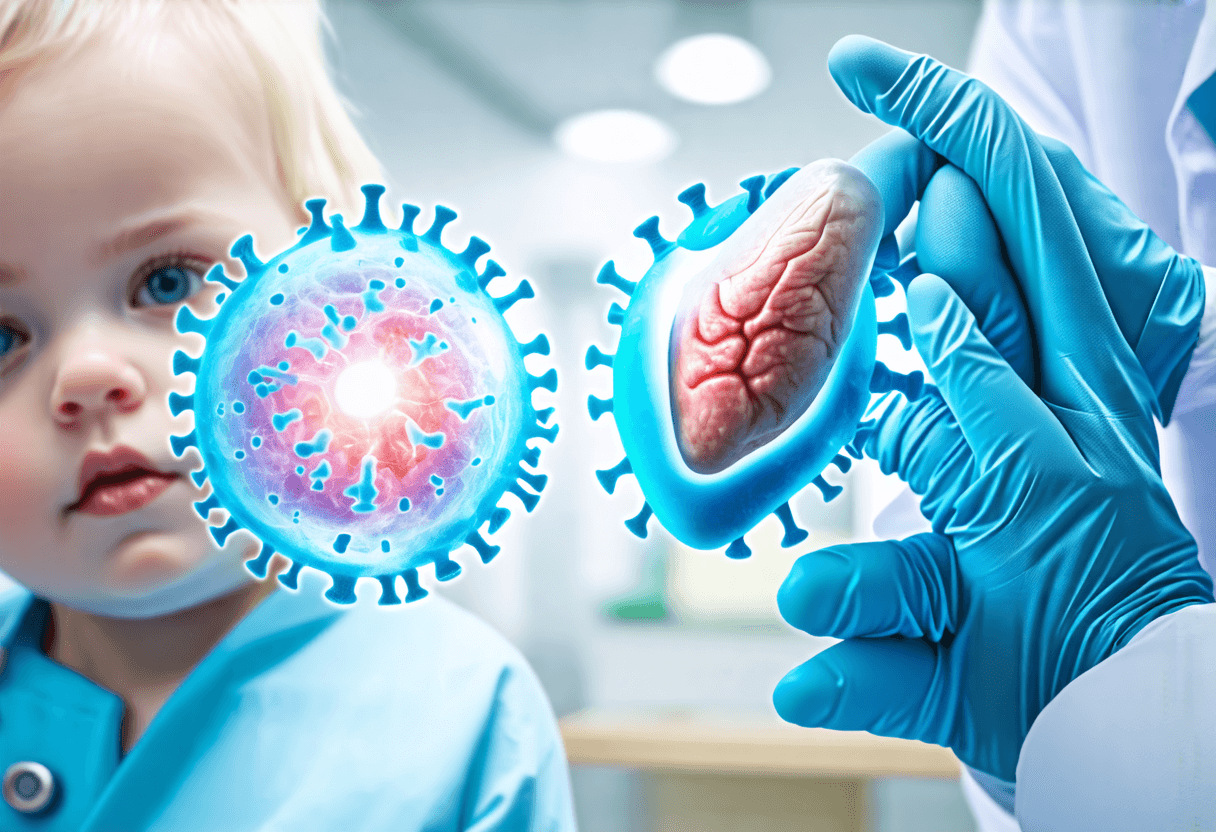
አንድ ልጅ ሄፓታይተስ እንዳለበት ሲታወቅ ይህ በመላው ቤተሰብ ላይ ከባድ ጉዳት ሊያስከትል ይችላል. ወደ ጉበት ውድቀት ሊያመራ በሚችል የጉበት በሽታ ሊሰቃዩበት ሀሳብ ቅ mare ት የወለደውን ወላጅ ማገገም አይፈልግም. ነገር ግን በሕክምና እድገቶች እና የጉበት ንቅለ ተከላዎች መገኘት, በህይወት ውስጥ ሁለተኛ ዕድል ተስፋ አለ. በዚህ ብሎግ ሄፓታይተስ ላለባቸው ህጻናት ስለ ጉበት ንቅለ ተከላ፣ ምልክቶችን እና ምልክቶችን፣ የንቅለ ተከላ ሂደቱን እና የመልሶ ማገገሚያ መንገዶችን እንቃኛለን.
በልጆች ላይ ሄፓታይተስን መረዳት
ሄፓታይተስ በጉበት ሴሎች ላይ እብጠት እና ጉዳት የሚያደርስ የጉበት በሽታ ነው. በልጆች ላይ በጣም የተለመደው የሄፐታይተስ መንስኤ እንደ ሄፓታይተስ ኤ, ቢ እና ሲ ያሉ የቫይረስ ኢንፌክሽኖች ናቸው. ሌሎች መንስኤዎች በራስ-ሰር መዛባት, የጄኔቲክ ጉድለቶችን ሊያካትቱ ይችላሉ, እና ለ Toxins መጋለጥ ሊያካትት ይችላል. ሕክምና ካልተደረገለት ሄፓታይተስ ወደ ጉበት ውድቀት ሊያመራ ይችላል, ይህም ለሕይወት አስጊ ነው. በልጆች ውስጥ የሄ pat ታይተስ ምልክቶች, የምግብ ፍላጎት, ማቅለሽለሽ, ማስታወክ, እና ዓይኖቹ (ጃንንድስ). በከባድ ሁኔታዎች, ህጻናት የሆድ ህመም, ጥቁር ሽንት እና የነጣ ያለ ሰገራ ሊሰማቸው ይችላል.
በ ውስጥ በጣም ታዋቂ ሂደቶች ሕንድ


የቅድመ ምርመራ አስፈላጊነት
በልጆች ላይ ሄፓታይተስን ለማከም ቀደምት ምርመራ አስፈላጊ ነው. ሕክምናው ቀደም ብሎ ከተመረመረ ህክምናው በሽታውን ለማስተዳደር እና የጉበት ጉዳትን ለመከላከል ይረዳል. ይሁን እንጂ በሽታው ካልታወቀ ወይም ካልታከመ ሄፓታይተስ ወደ ጉበት cirrhosis, የጉበት ካንሰር አልፎ ተርፎም የጉበት ውድቀት ሊያስከትል ይችላል. ወላጆች በልጃቸው ላይ ከላይ የተጠቀሱትን ምልክቶች ካዩ ንቁ መሆን እና የሕክምና እርዳታ ማግኘት አለባቸው. የጤና አጠባበቅ ባለሙያ የሄፐታይተስ በሽታን ለመመርመር የአካል ምርመራን ያካሂዳል, የሕክምና ታሪክ ይወስዳል እና የደም ምርመራዎችን ያደርጋል.
የጉበት ትራንስፕላንት ሂደት
ሄፓታይተስ ወደ ጉበት ውድቀት በተሸጋገረባቸው አጋጣሚዎች የጉበት ንቅለ ተከላ ብቸኛው አማራጭ ሊሆን ይችላል. የጉበት ንቅለ ተከላ የተጎዳውን ጉበት ከለጋሽ ጤናማ በሆነ መተካትን ያካትታል. የመትከሉ ሂደት ውስብስብ እና በርካታ ደረጃዎችን ያካትታል. በመጀመሪያ፣ ህፃኑ ለመተካት ብቁነታቸውን ለመወሰን ጥልቅ ግምገማ ይደረግበታል. ይህ የሕክምና ምርመራዎች, የስነልቦና ግምገማዎች እና ማህበራዊ ግምገማዎች ያካትታል. ብቁ ሆኖ ከተሰማው በኋላ, ህጻኑ ለተዛማጅ ለጋሽ የጉንዳን ጉበት በተጠባባቂ ዝርዝር ላይ ይቀመጣል.

የጤንነት ሕክምናዎች
ለራስህ ዘና ለማለት ጊዜ ስጥ
በጣም ዝቅተኛ ዋጋዎች የተረጋገጠ!

በጣም ዝቅተኛ ዋጋዎች የተረጋገጠ!
የጥበቃ ጊዜ
የጥበቃ ጊዜ ለልጁ እና ለቤተሰቡ ፈታኝ ጊዜ ሊሆን ይችላል. አዲስ ጉበት በሚጠብቁበት ጊዜ ህፃኑ ከጭንቀት ከጭንቀት ከጭንቀት ከጭንቀት ስሜታዊ ስሜቶች ሊያጋጥመው ይችላል. ቤተሰቡ ስለ ህፃኑ ጤና እና ስለወደፊቱ እርግጠኛ አለመሆን መጨነቅ ፣ የስሜት መቃወስ ሊያጋጥመው ይችላል. በዚህ ወቅት, አዎንታዊ አመለካከት መያዝ እና በልጁ አጠቃላይ ጤና እና ደህንነት ላይ ማተኮር አስፈላጊ ነው.
ትራንስፕላንት ቀዶ ጥገና
የንቅለ ተከላ ቀዶ ጥገናው የተጎዳውን ጉበት በጤናማ መተካትን የሚያካትት ውስብስብ ሂደት ነው. ቀዶ ጥገናው ብዙ ሰዓታት ሊወስድ ይችላል, እና ህጻኑ በአጠቃላይ ሰመመን ውስጥ ይሆናል. የቀዶ ጥገና ሐኪሙ በሆድ ውስጥ መቆረጥ, የተጎዳውን ጉበት ያስወግዳል እና በአዲሱ ጉበት ይተካዋል. አዲሱ ጉበት ከልጁ የደም ስሮች እና ከቢል ቱቦዎች ጋር ይገናኛል, እና ቁስሉ ይዘጋል.
የመልሶ ማግኛ ጊዜ
ከጉበት ንቅለ ተከላ በኋላ የማገገሚያ ጊዜ ረጅም እና ፈታኝ ሊሆን ይችላል. ህጻኑ በሆስፒታል ውስጥ ለብዙ ሳምንታት መቆየት ይኖርበታል, እዚያም የቅርብ ክትትል እና እንክብካቤ ያገኛል. የአዲሲቱን ጉበት እንዳይቃወሙ ለመከላከል በጤና ጥበቃ ቡድናቸው ቀጠሮዎችን ቀጠሮዎችን ለመከታተል ብቁ መሆን አለባቸው. በማገገሚያ ጊዜ ውስጥ ልጁ ድካም, ህመም እና ምቾት ሊሰማው ይችላል, ግን በተገቢው እንክብካቤ እና ድጋፍ, ሙሉ ማገገም ይችላሉ.
ከጉዞው በኋላ ሕይወት
ከተተነተው በኋላ, አዲሱ ጉበት ጤናማ ሆኖ መገኘቱን ለማረጋገጥ ህፃኑ ወሳኝ የአኗኗር ዘይቤዎችን ማድረግ አለበት. ይህ በመደበኛነት ተከታታይ ክትትል በመከታተል, ቀጠሮዎችን በመከታተል እና ጤናማ አመጋገብን በመጠበቅ እና የአካል ብቃት እንቅስቃሴ ልምምድ ማድረግን ያካትታል. በተጨማሪም ህጻኑ በሆዱ ላይ ጉዳት ሊያስከትሉ ከሚችሉ ስፖርቶች እና እንቅስቃሴዎች መራቅ አለበት. በተገቢው እንክብካቤ እና ድጋፍ አማካኝነት የጉበት መተላለፍ የሚጀምሩ ልጆች መደበኛ, ጤናማ ህይወትን የሚያመሩ ሊሆኑ ይችላሉ.
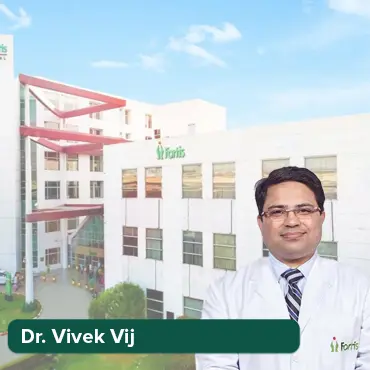
764 ታካሚዎች ከ ሕንድ ይህንን ጥቅል ለእነሱ ይምረጡ የጉበት ትራንስፕላንት ጥቅል
ለማጠቃለል ያህል የጉበት ሽግግር ከሄፕታይተስ ጋር ለልጆች ሕይወት አድን አማራጭ ሊሆን ይችላል. ጉዞው ፈታኝ ቢሆንም፣ በትክክለኛው ድጋፍ እና እንክብካቤ፣ ልጆች ሙሉ በሙሉ ማገገም እና ጤናማ፣ ደስተኛ ህይወት መምራት ይችላሉ. እንደ ወላጅ፣ የሄፐታይተስ ምልክቶችን እና ምልክቶችን ማወቅ፣ ቅድመ ምርመራ መፈለግ እና የሕክምና አማራጮችን መመርመር አስፈላጊ ነው. በሕክምና እድገቶች እና የጉበት ንቅለ ተከላዎች መኖር ፣ ሄፓታይተስ ላለባቸው ሕፃናት ሁለተኛ ዕድል ተስፋ አለ.
በጣም ታዋቂ የጤና እንክብካቤ ጥቅሎች



ተዛማጅ ብሎጎች

በHealthtrip በኩል የአይን ቀዶ ጥገና የማስለቀቅ እና የመከታተያ እቅድ
በህንድ ውስጥ የዓይን ቀዶ ጥገናን ከ Healthtrip ጋር ያቅዱ: ሆስፒታሎች, ዶክተሮች, ቪዛዎች,

ከHealthtrip ጋር ከመጓዝዎ በፊት ለዓይን ቀዶ ጥገና የርቀት ምክክር
በህንድ ውስጥ የዓይን ቀዶ ጥገናን ከ Healthtrip ጋር ያቅዱ: ሆስፒታሎች, ዶክተሮች, ቪዛዎች,
በመላው Healthtrip ሆስፒታሎች ውስጥ የአይን ቀዶ ጥገና ፓኬጆችን ማወዳደር
በህንድ ውስጥ የዓይን ቀዶ ጥገናን ከ Healthtrip ጋር ያቅዱ: ሆስፒታሎች, ዶክተሮች, ቪዛዎች,
የአይሲዩ እና የድህረ-ኦፕ እንክብካቤ መስፈርቶች ለዓይን ቀዶ ጥገና የጤና ጉዞ መመሪያ
በህንድ ውስጥ የዓይን ቀዶ ጥገናን ከ Healthtrip ጋር ያቅዱ: ሆስፒታሎች, ዶክተሮች, ቪዛዎች,
በHealthtrip በኩል ለዓይን ቀዶ ጥገና በሽተኞች ቅድመ-ቅበላ ማረጋገጫ ዝርዝር
በህንድ ውስጥ የዓይን ቀዶ ጥገናን ከ Healthtrip ጋር ያቅዱ: ሆስፒታሎች, ዶክተሮች, ቪዛዎች,
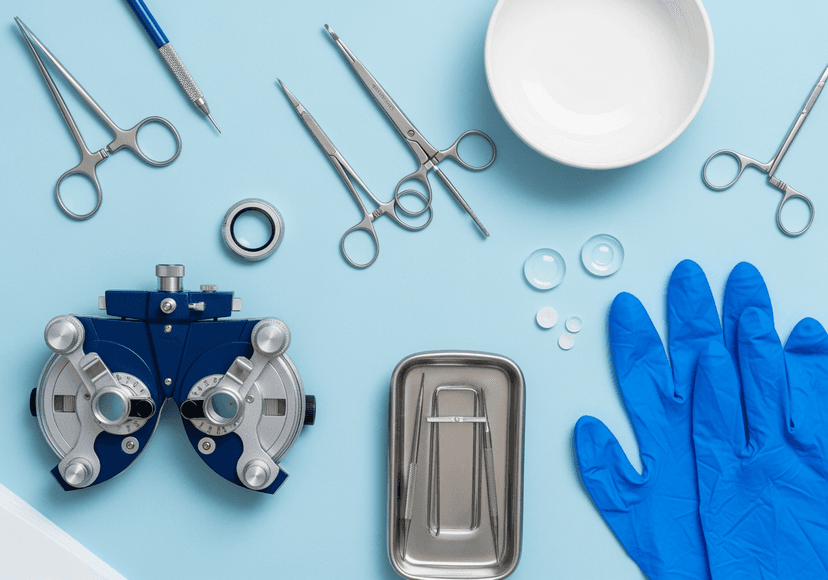
በHealthtrip በኩል ለዓይን ቀዶ ጥገና በህንድ ውስጥ ያሉ ከፍተኛ ዶክተሮች
በህንድ ውስጥ የዓይን ቀዶ ጥገናን ከ Healthtrip ጋር ያቅዱ: ሆስፒታሎች, ዶክተሮች, ቪዛዎች,