በህንድ ውስጥ የጉልበት ምትክ ቀዶ ጥገና ከተደረገ በኋላ ኢንፌክሽንን እንዴት መከላከል እንደሚቻል
18 Apr, 2023
 ዛፊር አህመድ
መግቢያ
የጉልበት ምትክ ቀዶ ጥገና የተጎዱትን ወይም የታመሙትን የጉልበት መገጣጠሚያ ክፍሎችን በሰው ሠራሽ ሰው ሠራሽ መተካትን የሚያካትት ትልቅ የቀዶ ጥገና ሂደት ነው. ምንም እንኳን ይህ የቀዶ ጥገና ሂደት የግለሰቡን ተንቀሳቃሽነት እና የህይወት ጥራት በከፍተኛ ሁኔታ ሊያሻሽል ቢችልም ፣ ከቀዶ ጥገና በኋላ ሁል ጊዜም የመያዝ እድል አለ ።. በህንድ፣ የጤና አጠባበቅ ወጪዎች በአንጻራዊ ሁኔታ ዝቅተኛ በሆነበት፣ የጉልበት ምትክ ቀዶ ጥገና ከጊዜ ወደ ጊዜ እየተስፋፋ መጥቷል።. ይሁን እንጂ ለስላሳ ማገገም ከቀዶ ጥገና በኋላ የመከላከያ እርምጃዎችን መውሰድ አስፈላጊ ነው. በዚህ ክፍል በህንድ ውስጥ የጉልበት ምትክ ቀዶ ጥገናን ተከትሎ ኢንፌክሽንን ለማስወገድ የሚረዱ መንገዶችን እንመረምራለን.
በ ውስጥ በጣም ታዋቂ ሂደቶች ሕንድ


የቅድመ-ቀዶ ጥገና ዝግጅት;
ከቀዶ ጥገናው በፊት የኢንፌክሽን አደጋን ለመቀነስ አንዳንድ ጥንቃቄዎችን ማድረግ አስፈላጊ ነው. እነዚህም ያካትታሉ:

የጤንነት ሕክምናዎች
ለራስህ ዘና ለማለት ጊዜ ስጥ
በጣም ዝቅተኛ ዋጋዎች የተረጋገጠ!

በጣም ዝቅተኛ ዋጋዎች የተረጋገጠ!
1. ጥሩ የግል ንፅህናን ይጠብቁ
ከቀዶ ጥገናው በፊት ገላዎን መታጠብ ወይም መታጠብ በቆዳዎ ላይ ያሉትን ባክቴሪያዎች ሊቀንስ ይችላል. ጥርስን መቦረሽ እና ፀጉርን ማጠብ የኢንፌክሽን አደጋን ለመቀነስ ይረዳል.
2. ማንኛውንም ኢንፌክሽን ማከም
እንደ ጉንፋን፣ሳል ወይም የሽንት ቧንቧ ኢንፌክሽን ያሉ ተላላፊ በሽታዎች ካሉ ከቀዶ ጥገናው በፊት ለሐኪምዎ ያሳውቁ. ከቀዶ ጥገናው በፊት እነዚህን በሽታዎች ማከም የኢንፌክሽን አደጋን ለመቀነስ ይረዳል.
636 ታካሚዎች ከ ሕንድ ይህንን ጥቅል ለእነሱ ይምረጡ የጉበት ትራንስፕላንት ጥቅል

3. አንዳንድ መድሃኒቶችን ያቁሙ
ከቀዶ ጥገናው በፊት የተወሰኑ መድሃኒቶች እንደ ደም ሰጪዎች ማቆም ሊያስፈልግ ይችላል. መድሃኒትን በተመለከተ የዶክተርዎን መመሪያዎች መከተልዎን ያረጋግጡ.
4. የኢንፌክሽን ምርመራ
አንዳንድ ሕመምተኞች በቀዶ ጥገናው ወቅት ተገቢ ጥንቃቄዎች መደረጉን ለማረጋገጥ እንደ MRSA (ሜቲሲሊን የሚቋቋም ስቴፕሎኮከስ ኦውሬስ) ላሉ ኢንፌክሽኖች ቅድመ ምርመራ ሊያስፈልጋቸው ይችላል።.
በቀዶ ጥገና ወቅት ጥንቃቄዎች;
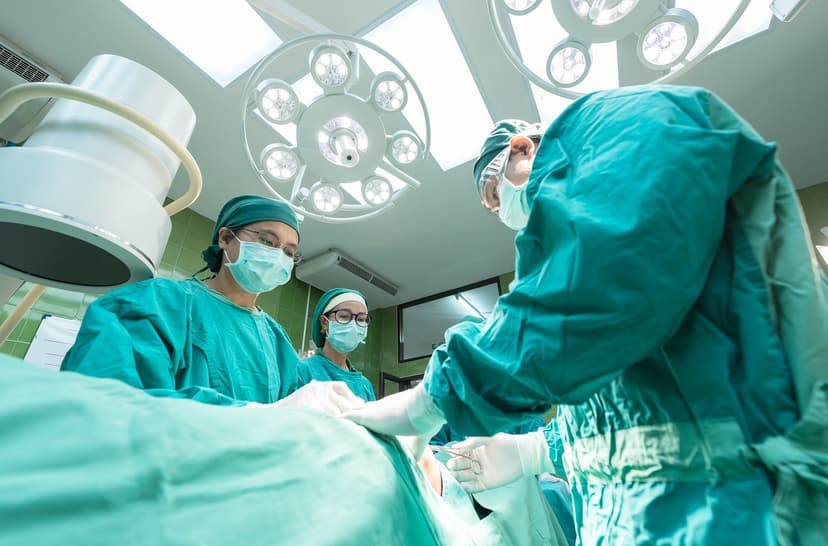
በቀዶ ጥገናው ወቅት, የቀዶ ጥገና ሐኪምዎ የኢንፌክሽን አደጋን ለመቀነስ ብዙ ጥንቃቄዎችን ያደርጋል. እነዚህም ያካትታሉ:
1. ማምከን
የኢንፌክሽኑን ስርጭት ለመከላከል ሁሉም የቀዶ ጥገና መሳሪያዎች እና የቀዶ ጥገና ክፍሉ ማምከን ይደረጋል. የቀዶ ጥገና ሀኪምዎ የኢንፌክሽን ስጋትን ለመቀነስ የማይጸዳ ልብስ እና ጓንት ይልበስ.
2. አንቲባዮቲክስ
ኢንፌክሽኑን ለመከላከል ከቀዶ ጥገናው በፊት ፣ ከቀዶ ጥገናው በፊት እና በኋላ አንቲባዮቲክ ይሰጥዎታል. የአንቲባዮቲኮች አይነት እና የቆይታ ጊዜ እንደ በታካሚው ዕድሜ፣ የህክምና ታሪክ እና የቀዶ ጥገናው አይነት ላይ በተለያዩ ሁኔታዎች ይወሰናል.
3. ነጠላ
የቀዶ ጥገና ቡድንዎ የቀዶ ጥገና ቦታን መበከል ለመከላከል እርምጃዎችን ይወስዳል. የቀዶ ጥገናውን ቦታ ለመሸፈን እና ልዩ የአየር ማናፈሻ ዘዴን በመጠቀም በቀዶ ጥገና ክፍል ውስጥ ያለው አየር ንጹህ መሆኑን ለማረጋገጥ የጸዳ መጋረጃዎችን ሊጠቀሙ ይችላሉ..
ከቀዶ ጥገና በኋላ እንክብካቤ;
ከቀዶ ጥገናው በኋላ ኢንፌክሽንን ለመከላከል የተወሰኑ እርምጃዎችን መውሰድ ያስፈልግዎታል. እነዚህም ያካትታሉ:
1. የቁስል እንክብካቤ
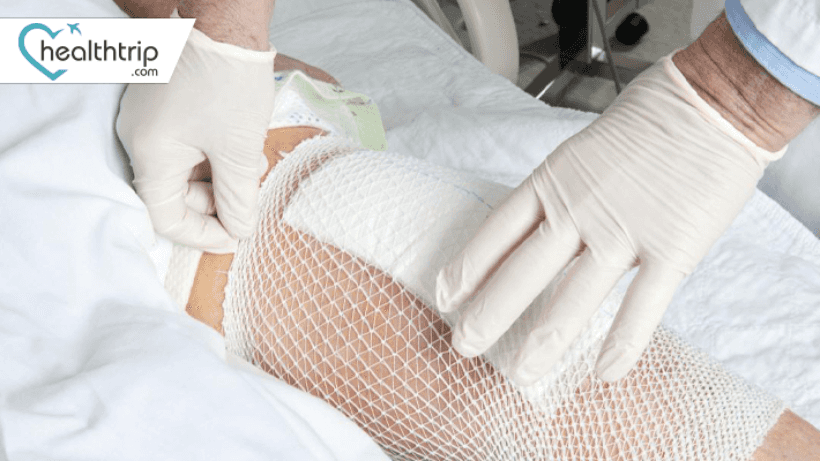
የቀዶ ጥገና ቁስሉን ንጹህ እና ደረቅ ያድርጉት. በቀዶ ጥገና ሐኪምዎ መመሪያ መሰረት ልብሱን በየጊዜው ይለውጡ. እንደ ቀዶ ጥገናው አይነት ልዩ የቁስል እንክብካቤ መመሪያ ሊሰጥዎት ይችላል.
2. መድሃኒት
በሐኪምዎ መመሪያ መሰረት አንቲባዮቲክ እና የህመም ማስታገሻ መድሃኒቶችን ጨምሮ ሁሉንም የታዘዙ መድሃኒቶች ይውሰዱ. ዶክተርዎን ሳያማክሩ ማንኛውንም መጠን አይዝለሉ ወይም መድሃኒቶችን መውሰድዎን አያቁሙ.
3. አካላዊ ሕክምና
የደም መፍሰስን ለመከላከል እና የደም ዝውውርን ለማሻሻል በዶክተርዎ የታዘዘውን የአካላዊ ቴራፒ ሕክምናን ይከተሉ. አካላዊ ሕክምና በጉልበት መገጣጠሚያ አካባቢ ያሉትን ጡንቻዎች ለማጠናከር እና የማገገም ሂደቱን ለማፋጠን ይረዳል.
4. የተመጣጠነ ምግብ
የሰውነትን በሽታ የመከላከል ስርዓትን ለማጠናከር እና ለፈውስ ለመርዳት ጤናማ እና የተመጣጠነ ምግብ ይመገቡ. ሐኪምዎ ለማገገም የሚረዱ እንደ ብረት ወይም ቫይታሚን ሲ ያሉ አንዳንድ ማሟያዎችን ሊመክር ይችላል።.
የኢንፌክሽን ምልክቶች:
የጉልበት ምትክ ቀዶ ጥገና ከተደረገ በኋላ የኢንፌክሽን ምልክቶችን ማወቅ አስፈላጊ ነው. እነዚህም ያካትታሉ:
1. ትኩሳት
ትኩሳት የኢንፌክሽን መኖሩን ሊያመለክት ይችላል. የሙቀት መጠኑ ከፍ ያለ ከሆነ 100.4°F (38°C)፣ ዶክተርዎን ወዲያውኑ ያነጋግሩ.
2. በቀዶ ጥገናው አካባቢ መቅላት, ሙቀት ወይም እብጠት
እነዚህ የበሽታ ምልክቶች ናቸው, ይህም ኢንፌክሽንን ሊያመለክት ይችላል. በቀዶ ጥገናው አካባቢ ምንም አይነት መቅላት, ሙቀት ወይም እብጠት ካዩ ወዲያውኑ ዶክተርዎን ያነጋግሩ.
3. ህመም ወይም ጥንካሬ መጨመር
ከጉልበት ምትክ ቀዶ ጥገና በኋላ አንዳንድ ህመም እና ግትርነት የተለመደ ቢሆንም የህመም ስሜት ወይም ጥንካሬ መጨመር ኢንፌክሽንን ሊያመለክት ይችላል.. በህመም መድሀኒት ወይም በአካላዊ ህክምና ያልተቋረጠ ከባድ ህመም ወይም ጥንካሬ ካጋጠመዎት ዶክተርዎን ያነጋግሩ.
4. ከቀዶ ጥገናው ቦታ የሚወጣ ፈሳሽ
ከቀዶ ጥገናው ቦታ ምንም አይነት ፍሳሽ ወይም ፈሳሽ ካዩ ወዲያውኑ ዶክተርዎን ያነጋግሩ. ይህ ኢንፌክሽንን ሊያመለክት ይችላል.
መደምደሚያ
በህንድ ወሰን ውስጥ ከጉልበት ምትክ ቀዶ ጥገና በኋላ ኢንፌክሽኑን መከላከል ጥሩ ምቾትን ለማረጋገጥ በጣም አስፈላጊ ነው ።. የኢንፌክሽን እድልን ለመቀነስ ከቀዶ ጥገናው በፊት ፣ በሂደቱ እና በድህረ-ጊዜው ወቅት አስፈላጊውን ጥንቃቄ ማድረግ አስፈላጊ ነው ።. የኢንፌክሽን ምልክቶችን በቅርበት እየተከታተሉ መድሃኒቶችን፣ የቁስሎችን አያያዝ እና የአካል ህክምናን በሚመለከት በሀኪምዎ የሚሰጠውን መመሪያ ይከተሉ።.
በጣም ታዋቂ የጤና እንክብካቤ ጥቅሎች




ተዛማጅ ብሎጎች
በዩኬ ውስጥ ኦርቶፔዲክ ቀዶ ጥገና በዩኬ ውስጥ የሩሲያ ህመምተኞች ለምን ምርጥ የእንግሊዝ ሆስፒታሎች እየተጓዙ ናቸው
የኦርቶፔዲክ ቀዶ ጥገና የሚመለከቱ የተለያዩ ሂደቶችን የሚመለከቱ የተለያዩ ሂደቶችን ይካሄዳል
በታይላንድ ውስጥ ጠቅላላ የጉልበቶች ከፍተኛ ሆስፒታሎች
የጉልበት ህመምን መቋቋም እና ስለ አጠቃላይ የጉልበት መተካት ማሰብ

ከአጥንት መቅኒ ሽግግር በኋላ ሕይወትን እንዴት ማስተዳደር እንደሚቻል
የአጥንት መቅኒ ንቅለ ተከላ (BMT) ብዙ ጊዜ ህይወትን የማዳን ሂደት ነው።
በህንድ ውስጥ ለጉልበት ምትክ ቀዶ ጥገና ትክክለኛውን መትከል የመምረጥ አስፈላጊነት
መግቢያ የጉልበቶች ምትክ ቀዶ ጥገና እንደ የተለመደ የኦርቶፔዲክ መንቀሳቀስ ይቆማል, ይህም
በህንድ ውስጥ ከጉልበት ምትክ ቀዶ ጥገና በኋላ ጉልበቶን እንዴት እንደሚንከባከቡ
ዋና እና የጉልበት ምትክ ቀዶ ጥገና ከተደረገ በኋላ

በህንድ ውስጥ ከጉልበት ምትክ ቀዶ ጥገና በኋላ ህመምን ለመቆጣጠር ጠቃሚ ምክሮች
በህንድ ውስጥ የጉልበት ምትክ ቀዶ ጥገና ካደረጉ, እርስዎ